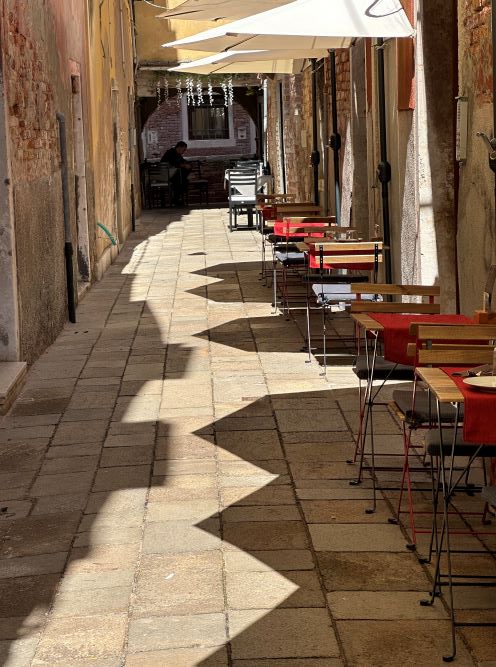
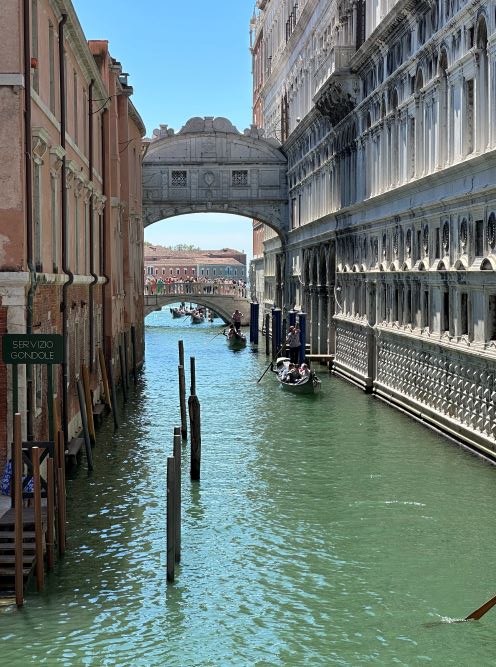
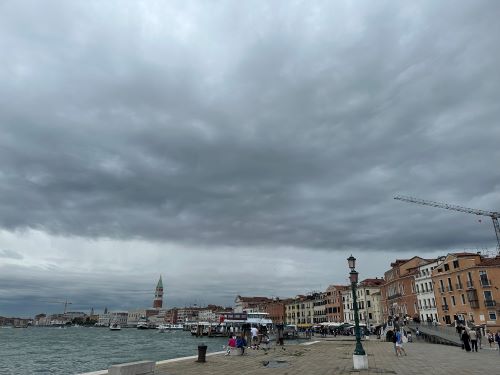
Today, Venice. I spent two weeks there recently and the experience was too yummy not to share – as I suppose I knew it would be because I brought along my portable recorder. Always thinking of you, dear listeners.
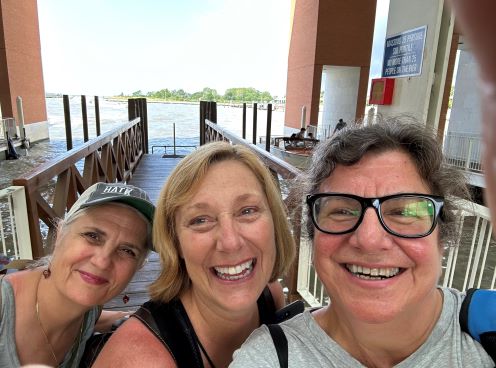
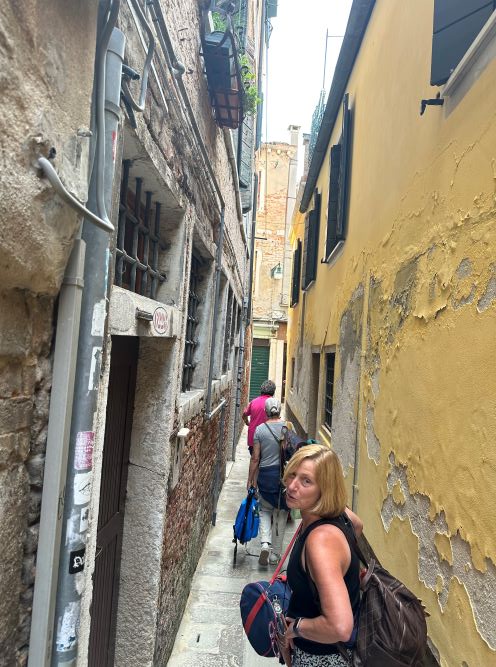
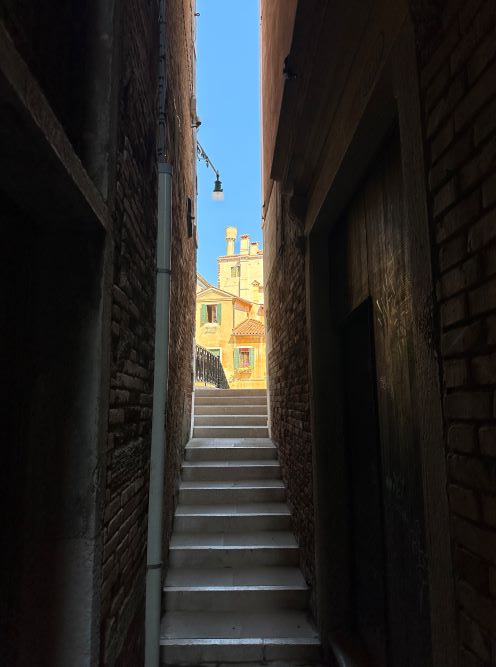
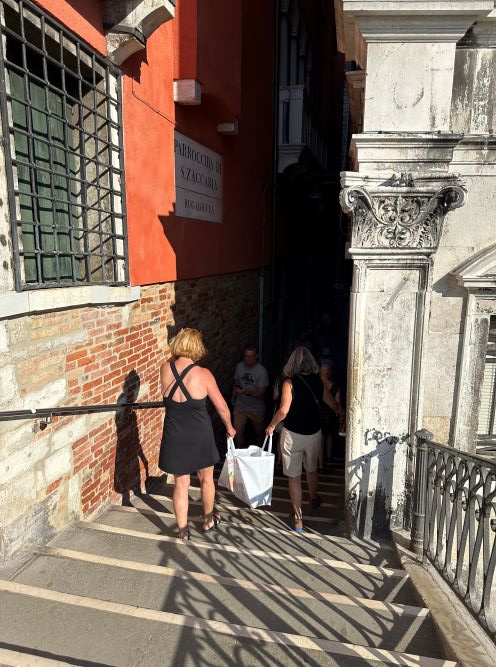
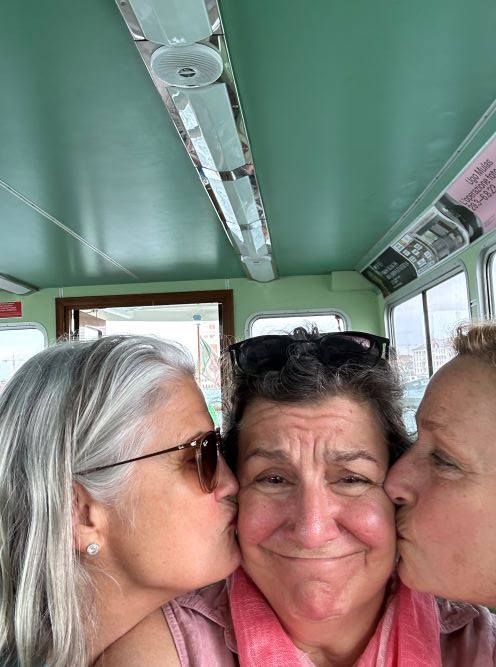
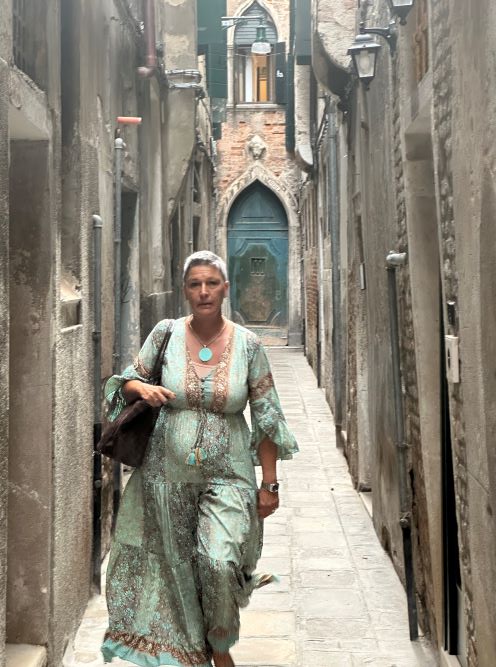
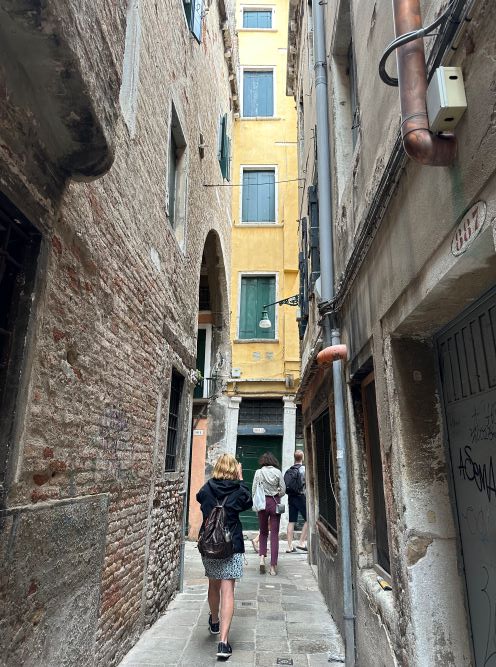
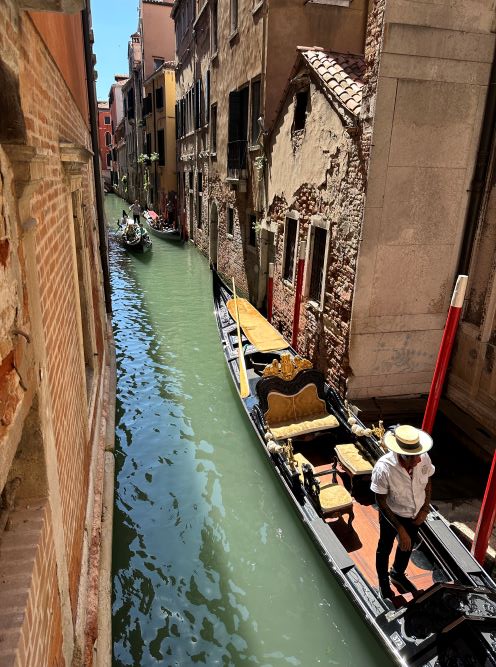
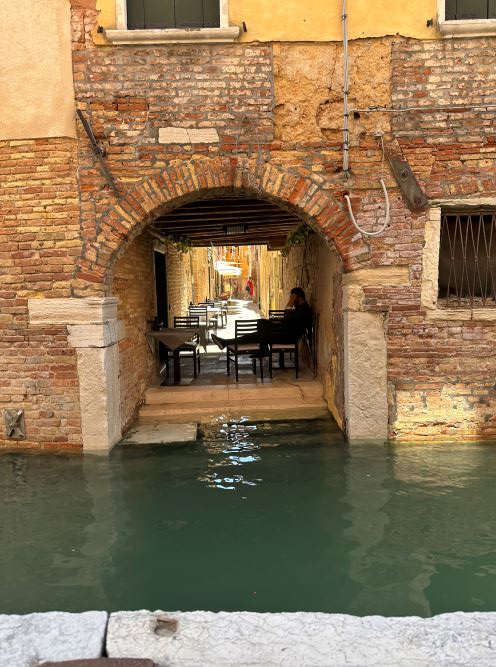
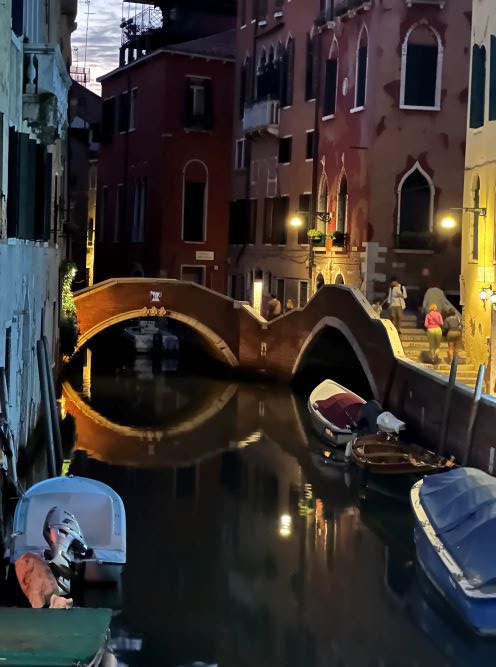
When I reflect back on the experience, after my usual astonishment that such a place actually exists, I think of getting lost. Getting lost – even the guidebooks will tell you – is what visitors do in Venice. The city is a maze of narrow passageways and dead ends. My two companions, Ellen Musante and Lenore Skomal, and I got lost daily, sometimes more than once, and that’s even while using Google Maps. All in a day’s Venetian tourism.
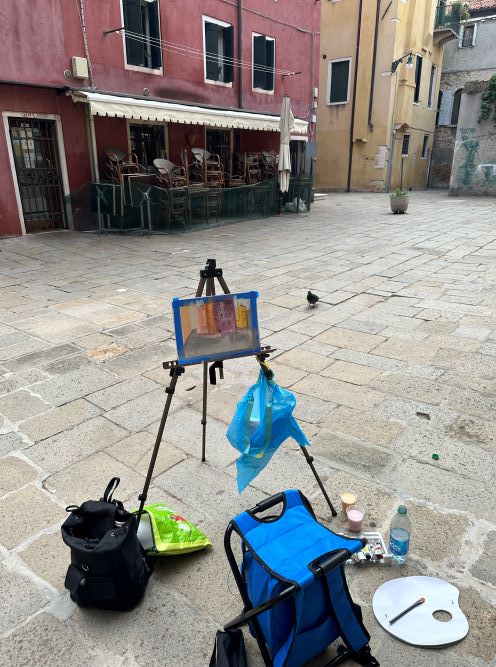
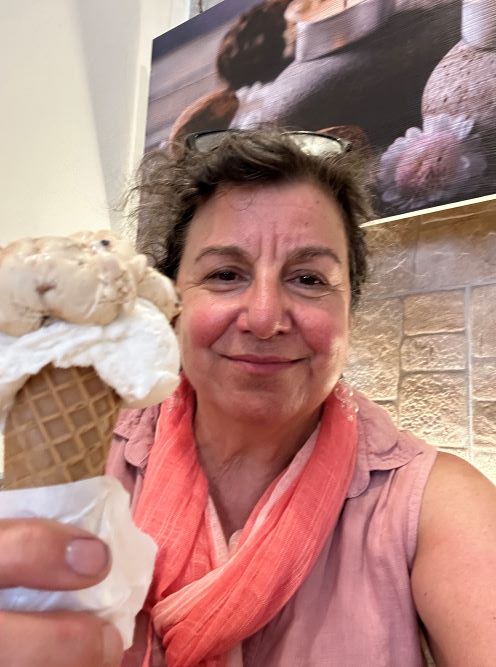
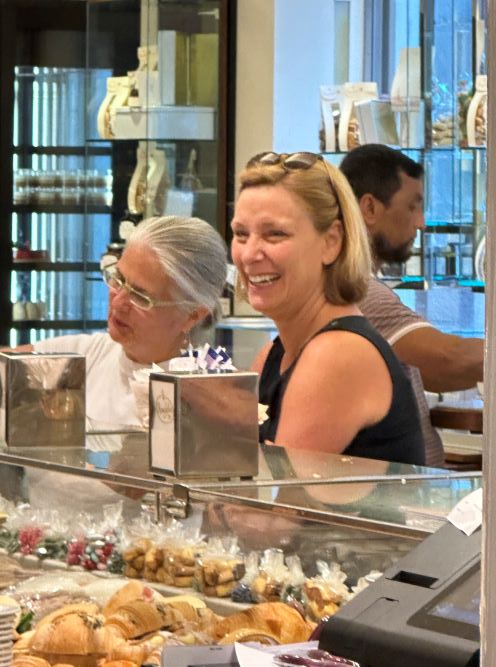
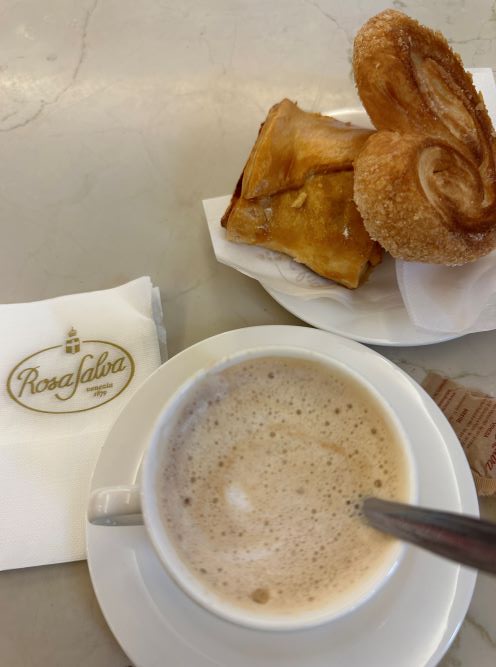
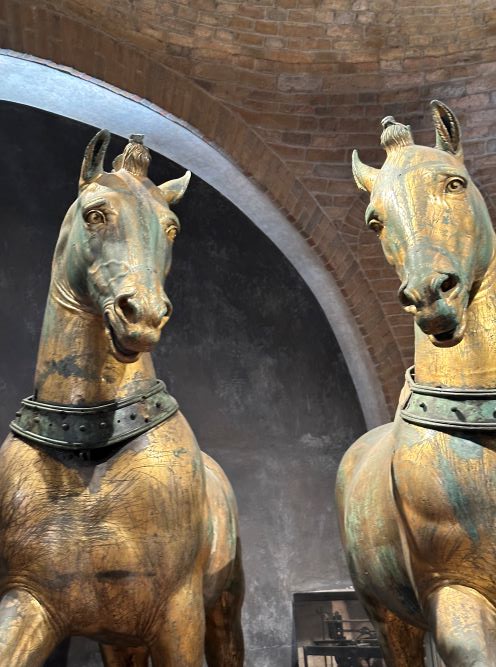
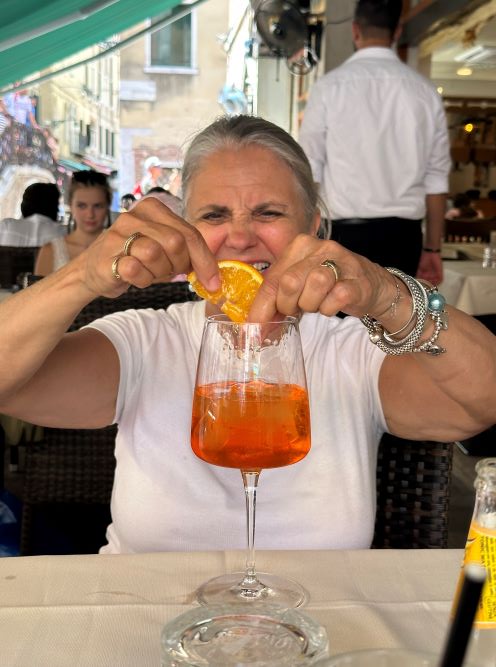
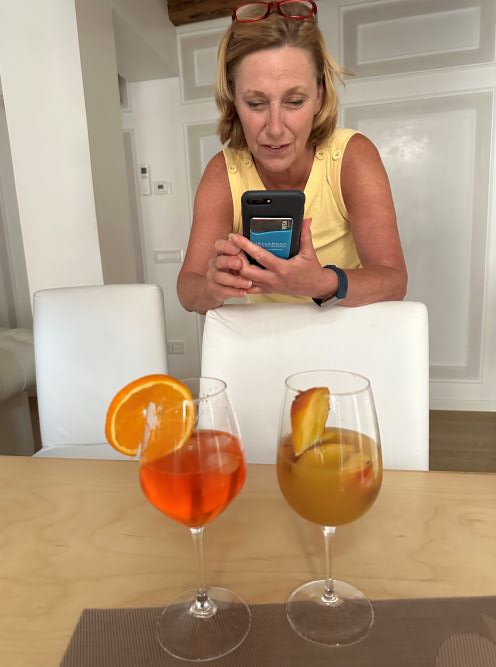
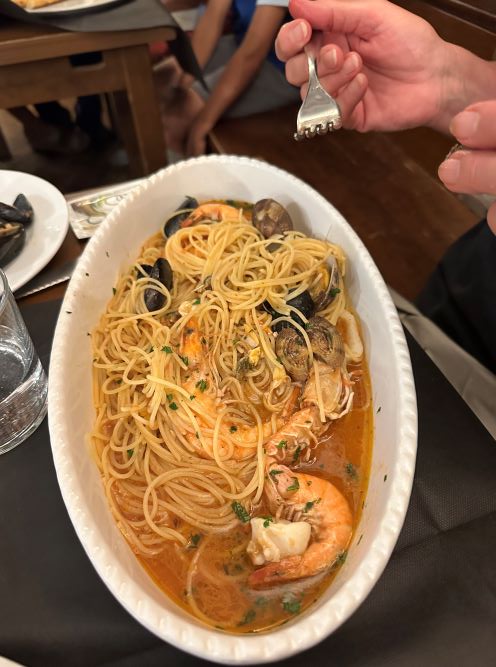
So, besides getting lost, what did we do in Venice? Well, we ate excellent meals everywhere; and at the suggestion of a local expert, we visited a master glassblower on the island of Murano, we traveled to a few of the other nearby islands, including Lido, and we toured museums of art and history, and we took several walking tours, we ate gelato, of course, and pastry, and drank aperol spritzes and bellinis, justifying the calories by all the walking we did. And I did a little painting.
But this list is just a drop in the lagoon, as it were. If you visit Venice, you really do need to allow yourself more than a few days. Don’t worry. You’ll still have the pleasure of getting lost. On my last day there, I got lost on the way to the boat to the airport.
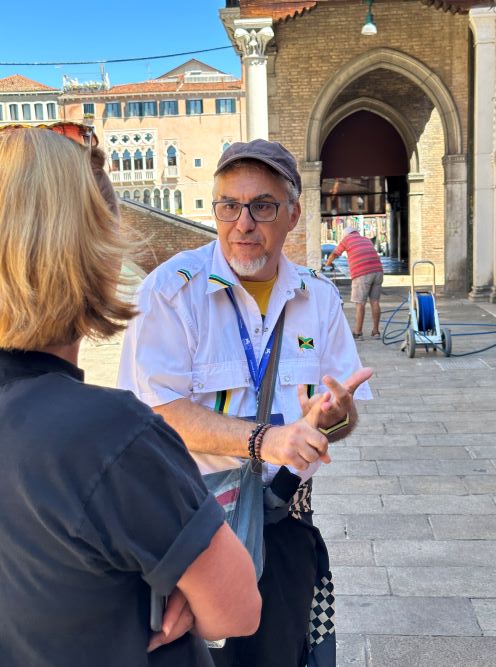
One fun thing we did was indulge in what’s known as a cicchetti tour. Cicchetti are small bites of Venetian specialties usually enjoyed in a bar; our cicchetti were paired with local wines. The tour was led by the aforementioned expert, Monica Cesarato, a well-known local blogger and author who kindly agreed to be interviewed after one of her cicchetti tours. Full disclosure, in keeping with the theme of getting lost, the last half of the interview didn’t record, for some reason. But I’ll post the link to Monica’s blog, along with photos and other interesting links, including some audio that didn’t make the episode but was too good to leave on the cutting room floor!
Okay, enough of me talking. Andiamo a Venezia!
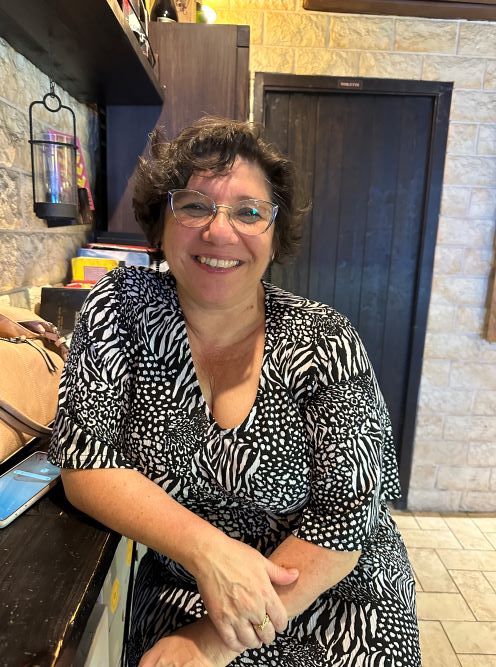
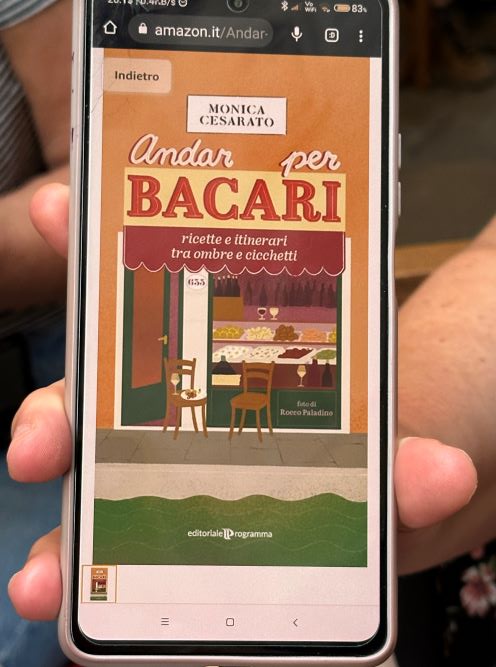
Monica Cesarato, host of the podcast Venice Speaks, and her book, now out in English.



 Open Studio