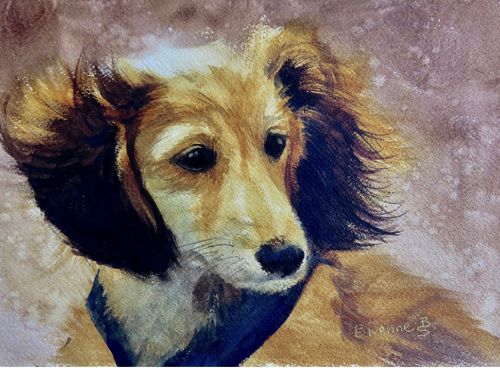
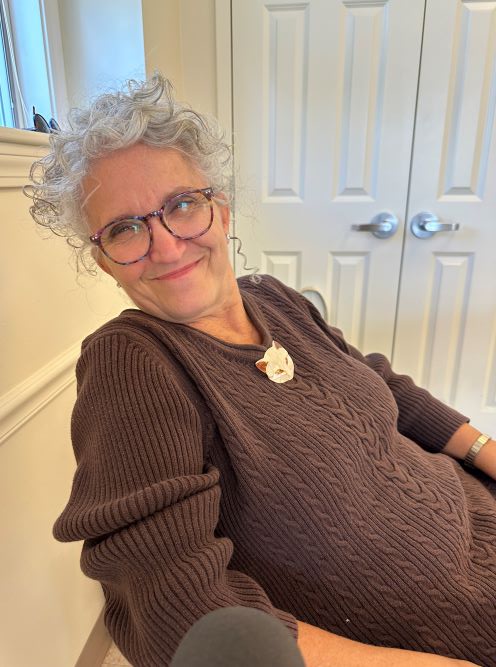
Today, an episode that contains more than I bargained for – not only an interview with pet portraitist and art teacher Bivenne Staiger, but a bonus, some instruction by Bivenne in the handling of her preferred medium, watercolor, a medium I’d never adopted. It seemed to require mental gymnastics that my brain is now – maybe always has been — too inflexible for. Also, when I think of watercolor paintings, I picture faint washy, kinda boring landscapes, far from delivering the deep goozhy impact of oils. As for pet portraiture, since August, I’ve been grieving the loss of our sweet cat William, my constant companion of 18 years, and have been thinking about painting yet another picture of him. And around that same time, at the Spectrum Gallery in Centerbrook, I happened on Bivenne’s very alive painting of a dog, “Golden Dachshund,” shown above. The sight of it collided with my vague awareness that pet portraits, especially done on commission, are somehow less respectable than other subjects. This gorgeous watercolor painting of a dog, with its deep darks in the ears and an unfussy sense of movement and expression – well, I’d dare anyone to say it was not art. Long story short, I met Bivenne at the senior Center in Portland, CT, where she teaches watercolor, and we took my prejudices out for a walk. A suggestion: as you listen to the episode look at — and enjoy! — photos of Bivenne’s work below.


Bivenne finds the dog on the right more interested than the other.
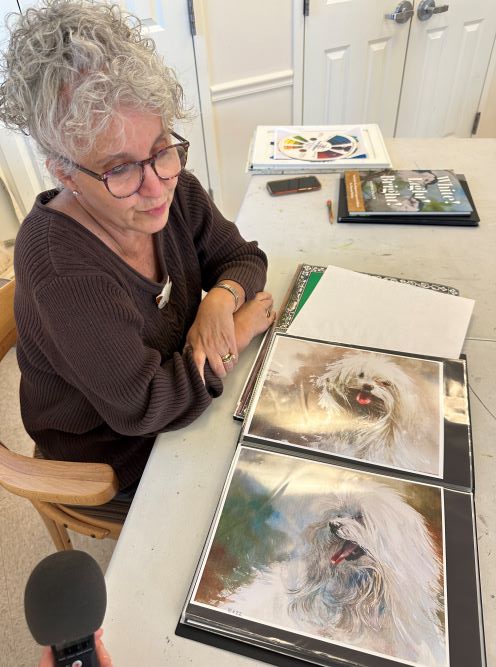
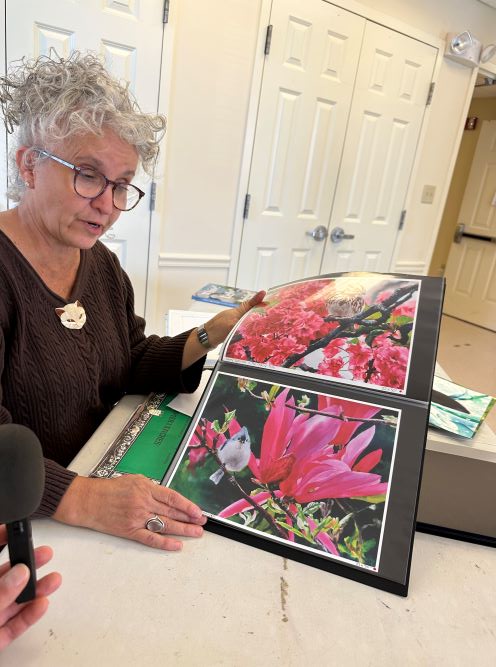
She walks us through a portfolio of photos of her work.
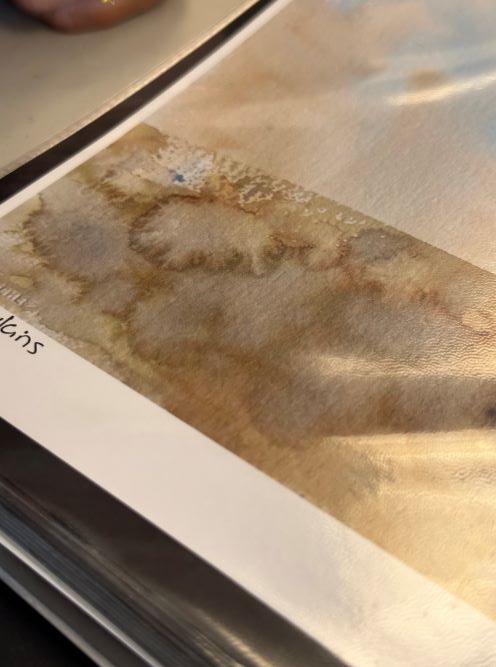
She calls this effect a purposeful bloom.
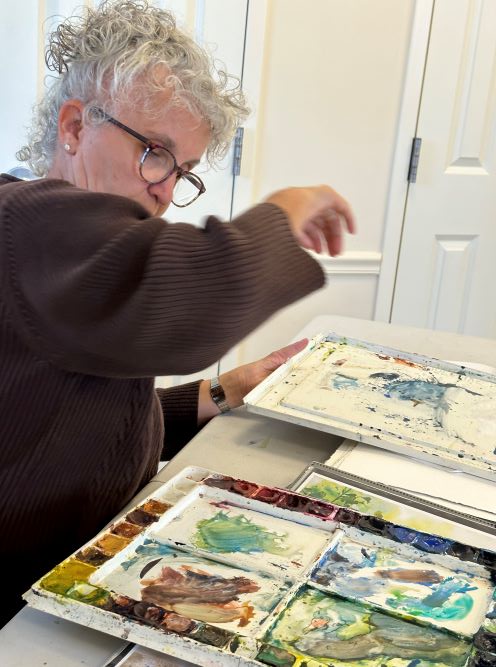
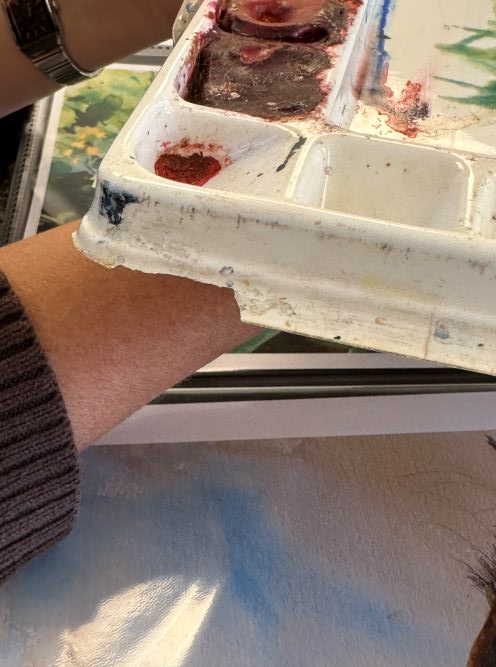
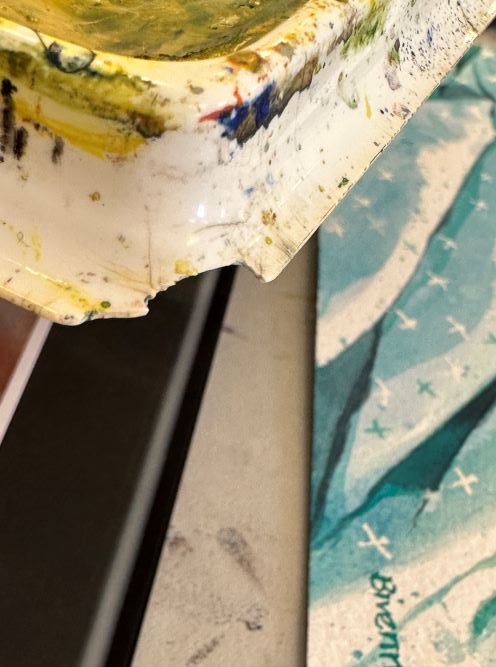
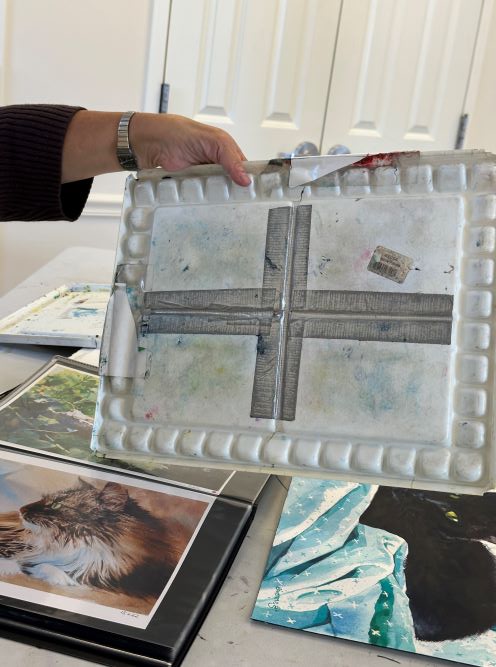
Bivenne’s mother gave her this palette about 50 years ago. Pudge, a late, lamented kitty, liked to chew the edge.
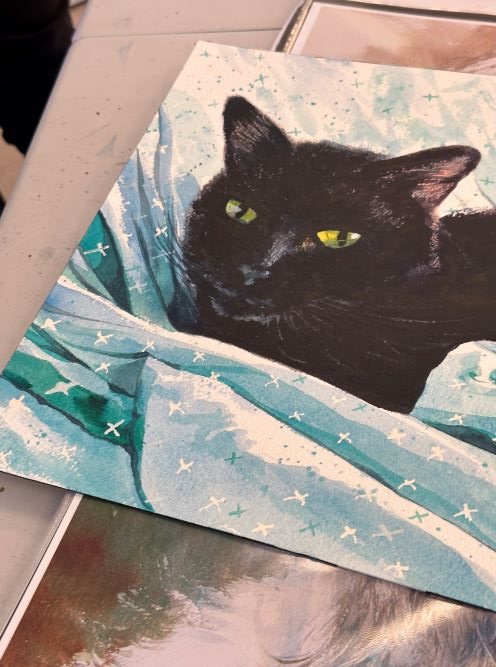
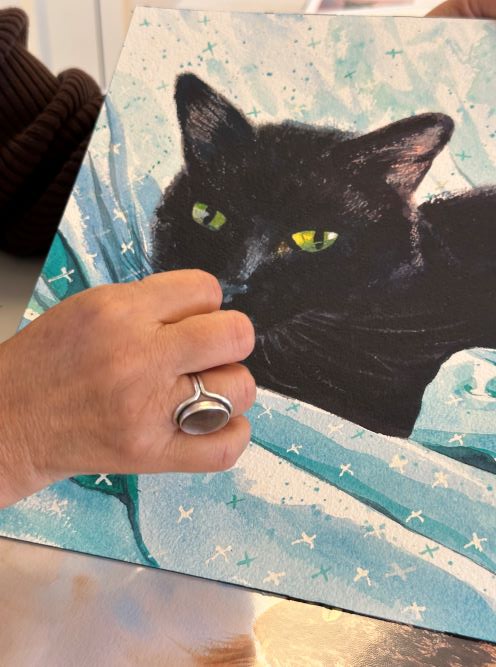
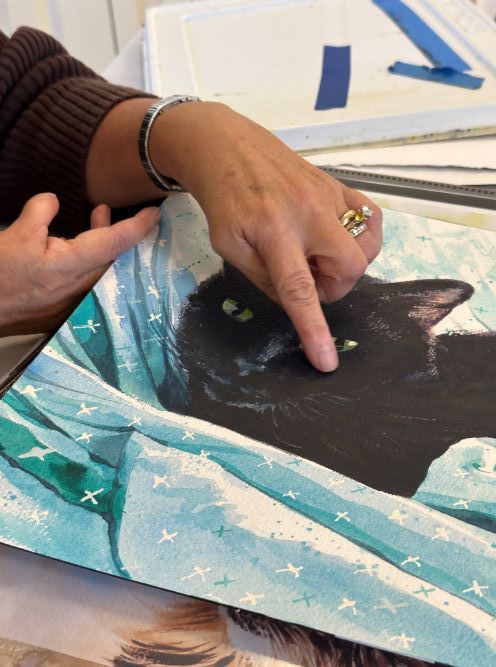
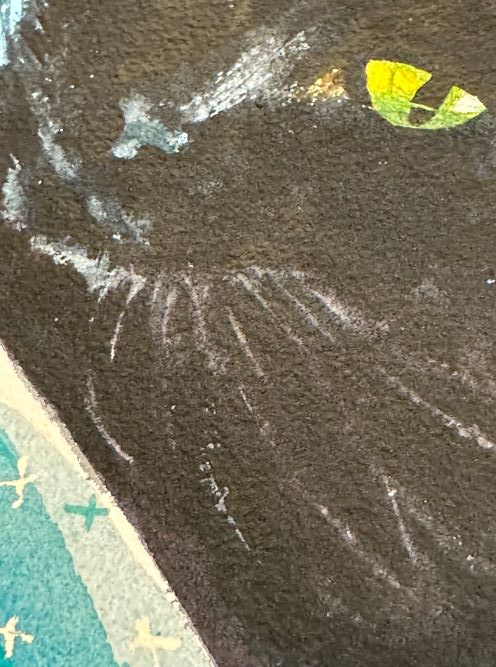
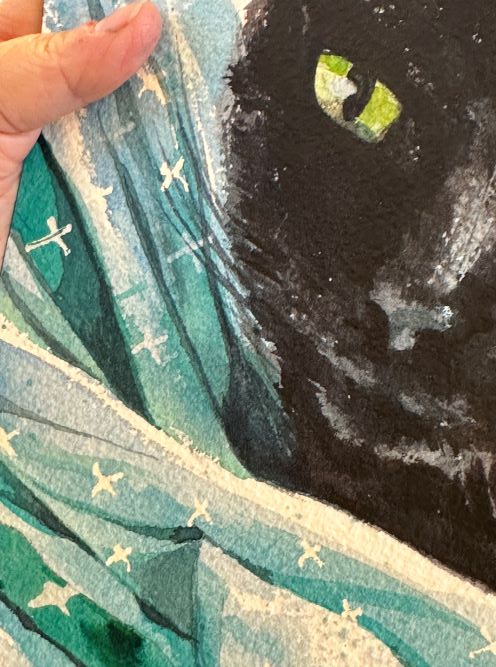
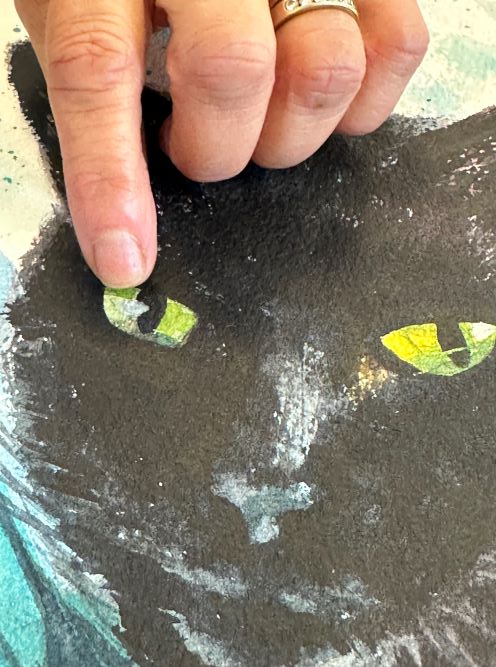
On painting Pudge. The white whiskers were the bare paper; Bivenne painted the negative space around them!
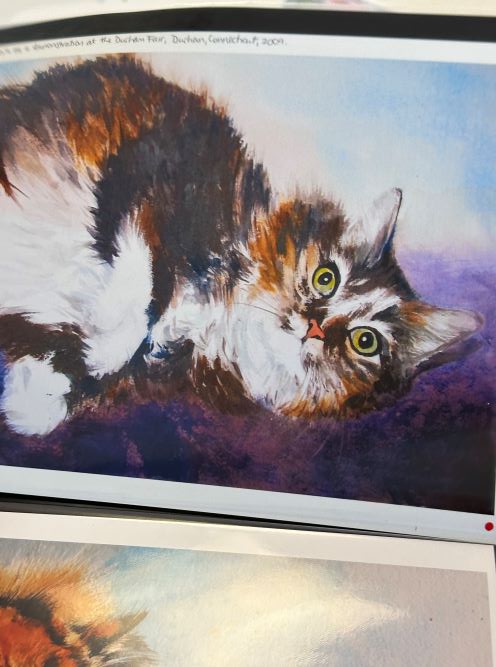
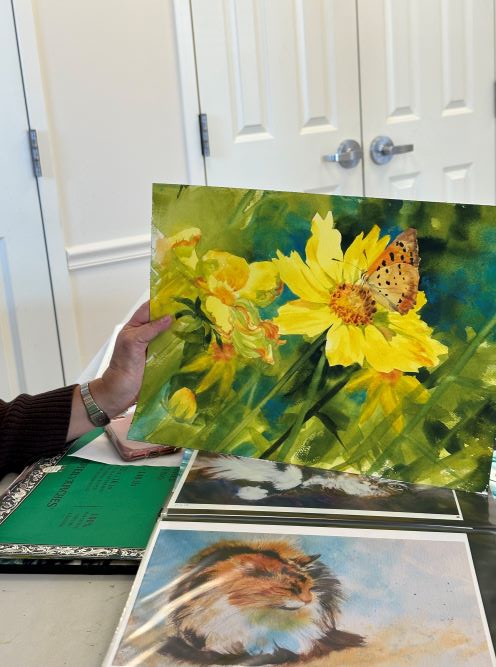
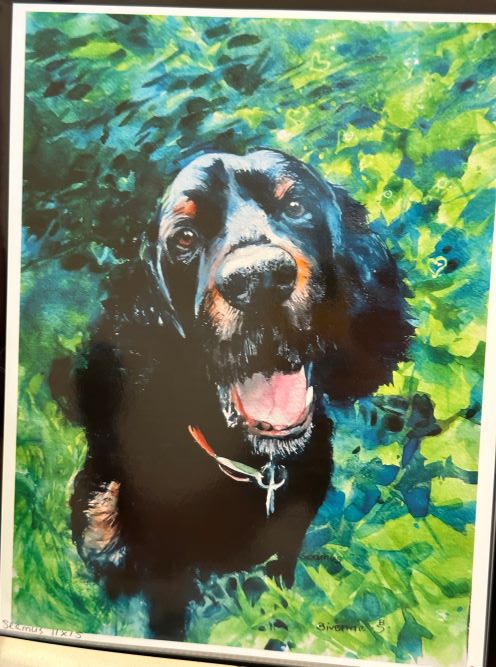
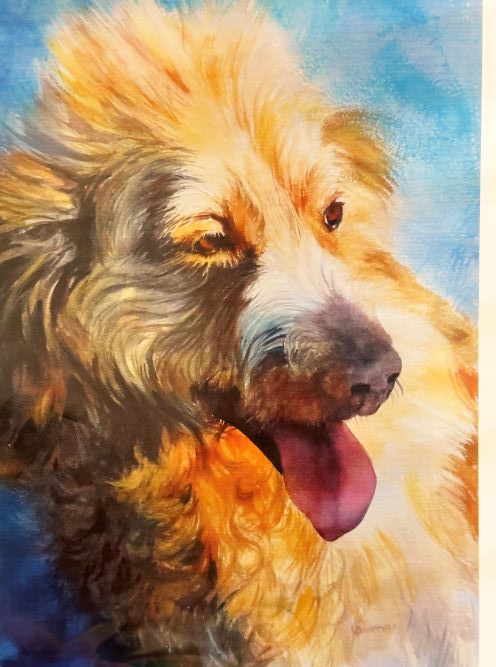

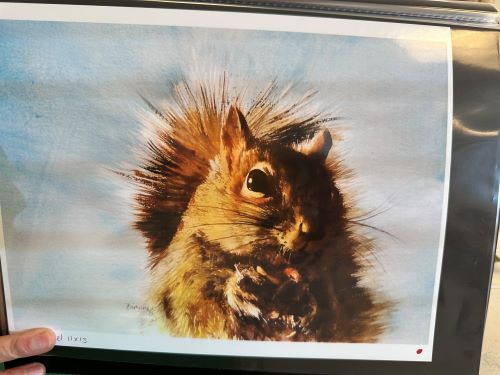
Bivenne takes up each of these in our conversation.
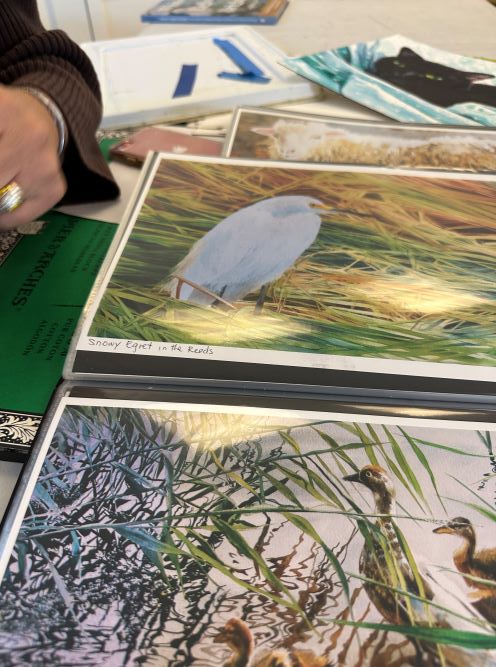

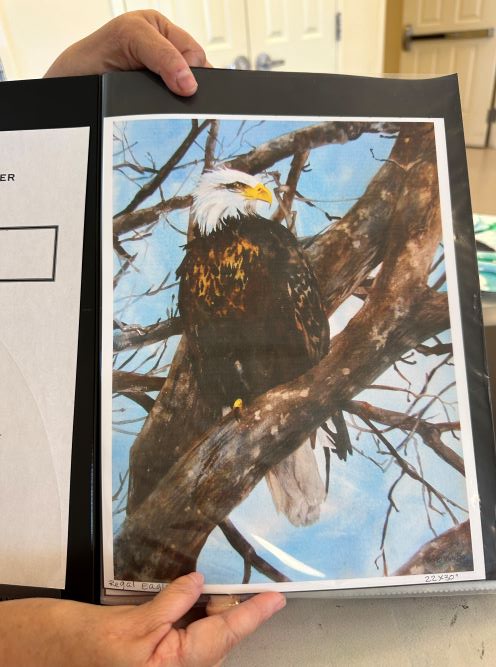
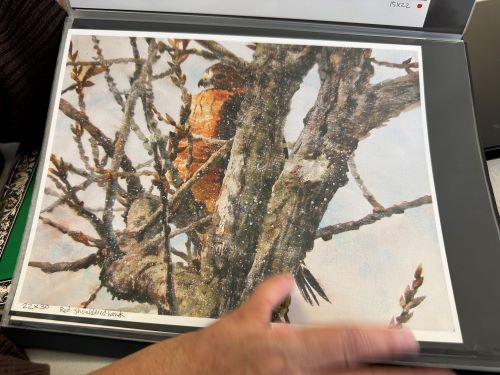

She especially loves birds. The one shown in the upper left was an uninteresting shape so she made the background busy. In the case of the squirrel in the collection above, it was interesting enough that Bivenne left the background plain. Her book White! Light! Bright! is subtitled How to Make Your Backgrounds Support and Enhance Your Watercolor Paintings.
She inscribes a copy for me.
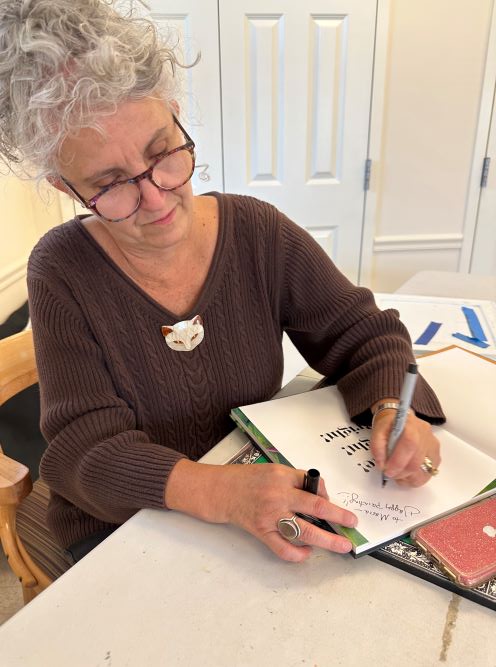
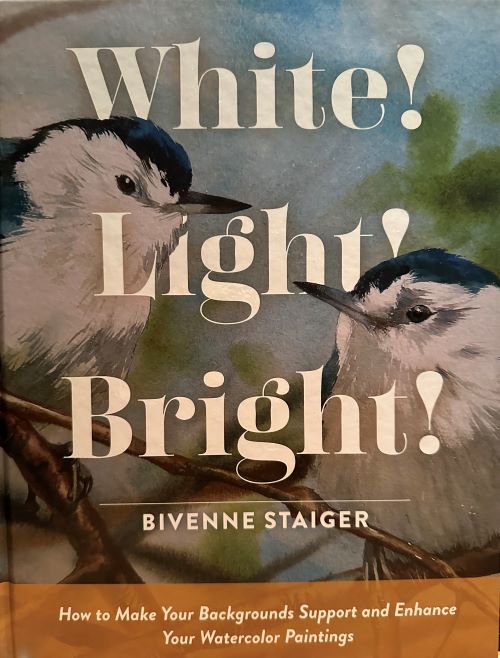
She inscribes a copy to me!
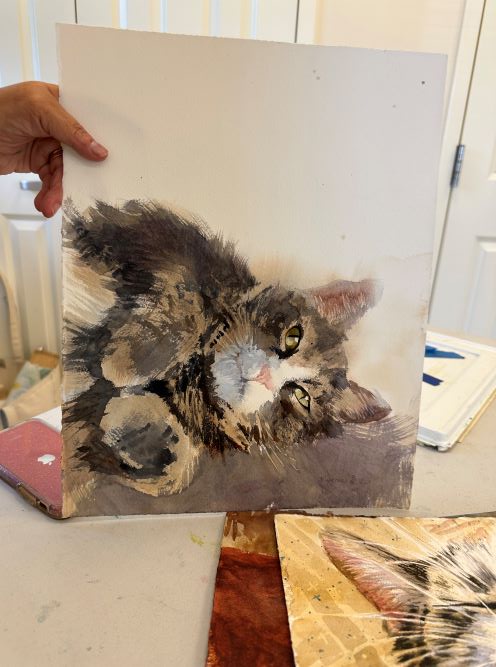

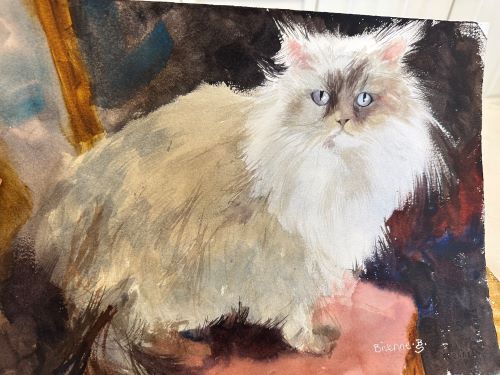

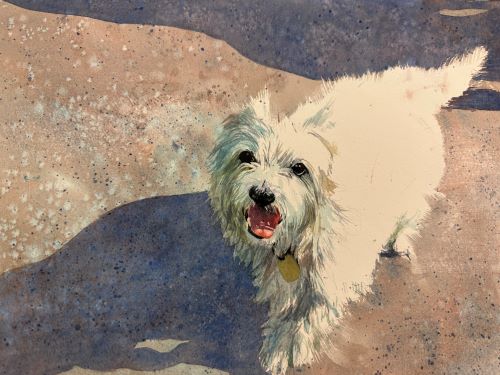
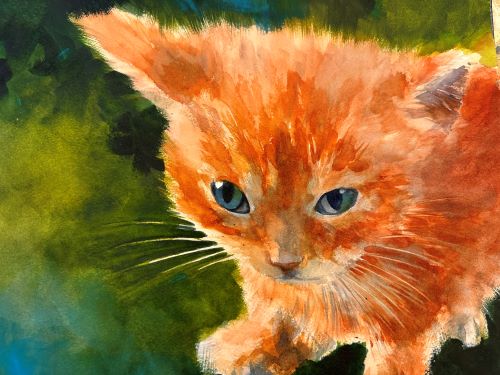
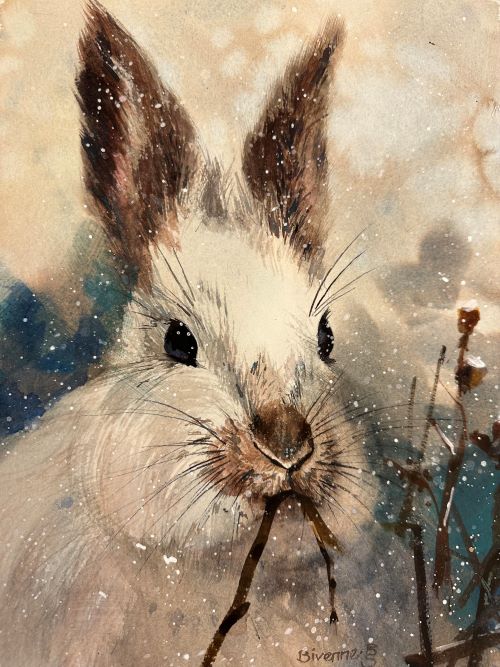
Yet more for your enjoyment! Bivenne exhibits at Spectrum Art Gallery in Centerbrook, CT. If you’re interested in purchasing art or in her watercolor classes, you can email her at bivenne@yahoo.com.
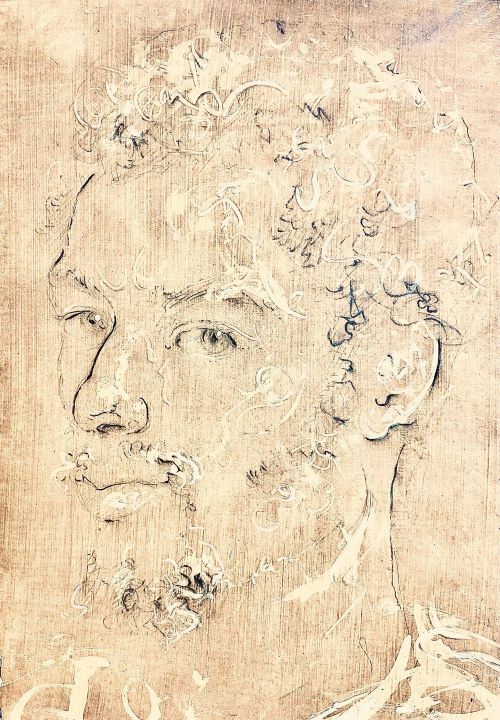


 Open Studio