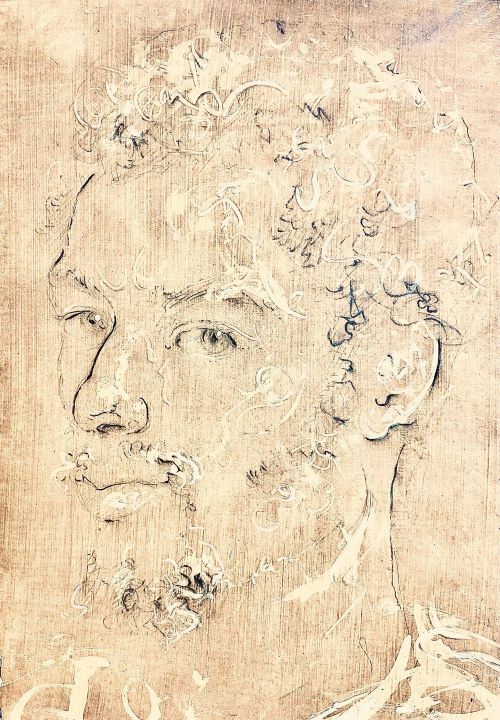
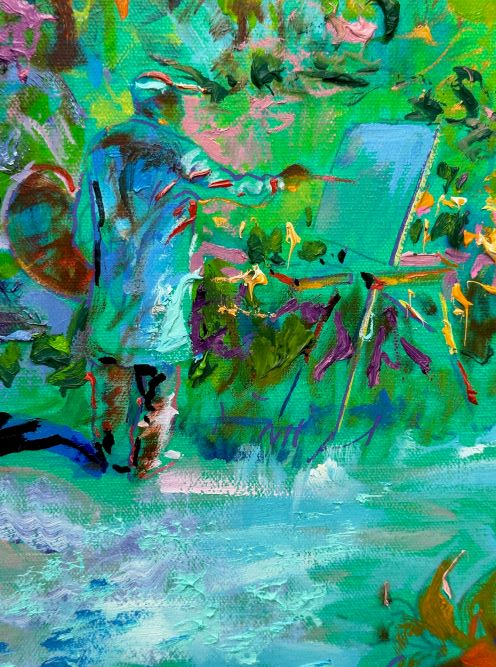
You know, I think I’ve yet to meet an artist who wasn’t interesting but Dmitri Wright takes interesting to a whole ‘nother level. As a young man growing up in Newark, NJ, he discovered art by way of a teacher who noticed and encouraged his talent. He was classically trained in what’s known as The Academy, an Old World system in which students work under the tutelage of a master who corrects them down to their posture as they learn to draw extremely precisely from plaster casts of classical statuary, among other sources.
Dmitri was so good at this that he earned a prestigious scholarship, one of several honors, and ultimately took over for the master. But along his artistic path – which included several serious health crises requiring major surgery, the lessons from which he turned to his psychological, emotional and artistic advantage; financial downturns during which he supplemented painting with construction, landscaping, house painting, and roofing; earning a degree in organizational management since he was always finding himself in leadership positions, resulting in his developing new art programs, including the one where I met him, at a national park in Connecticut – yes, there’s a national park in CT, Weir Farm, the only national park, btw, that’s devoted to painting — and then there’s his whole spiritual journey involving meditating and converting to Catholicism, and becoming a Knight of Malta, using his art for charitable causes.
Throughout all this life experience, and kind of like Picasso, the draftsman in him felt his way toward his true artistic destination, which is Dmitri’s case is Impressionism. He loves Impressionism. For him, it’s not so much an artistic style as a way of life, imbued with poetry and embracing Nature. We talked one recent afternoon in his studio in Old Greenwich, CT, and would probably have gone on talking till the sun went down but this is only a one-hour show. If our conversation whets your appetite, you can learn more about Dmitri at here.
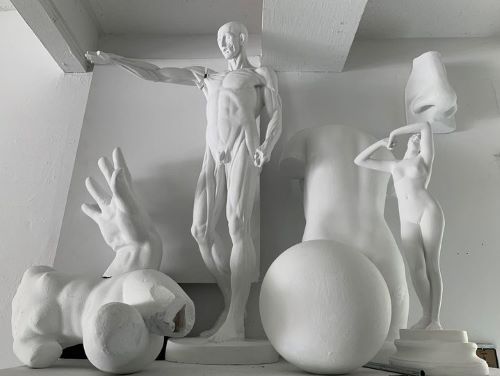
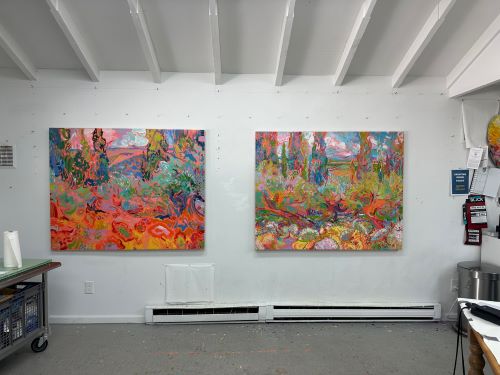
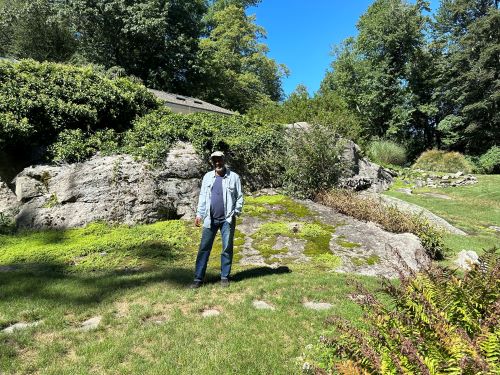
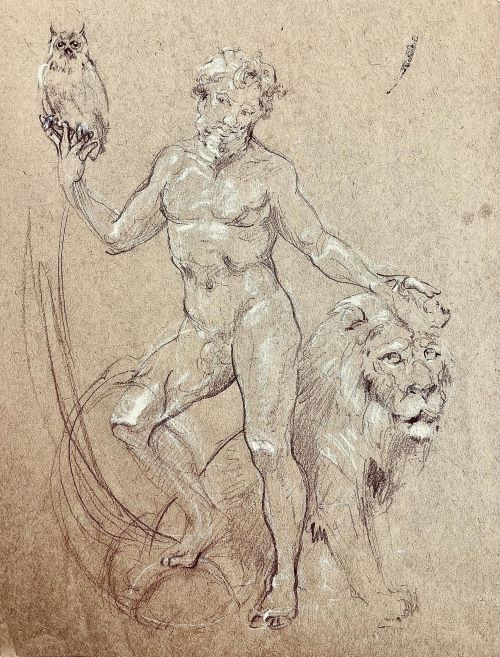
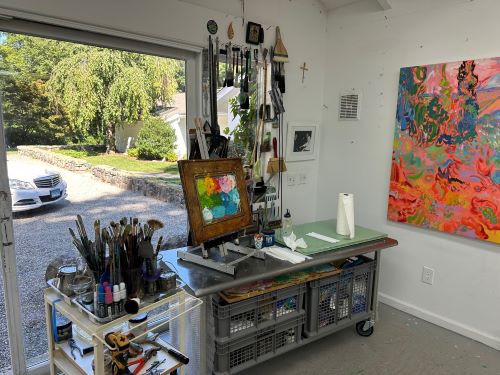


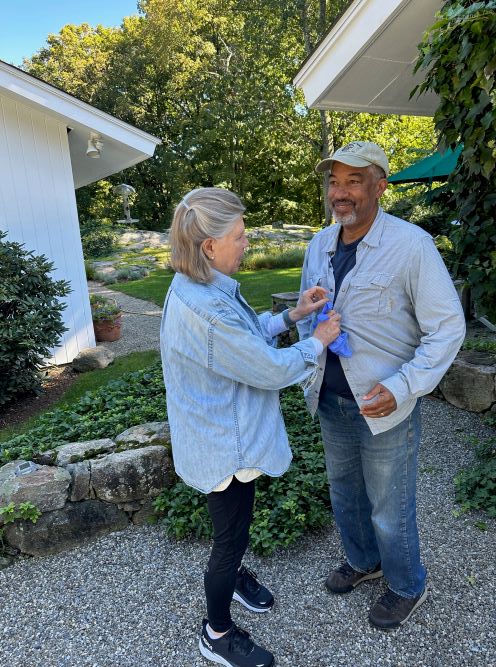
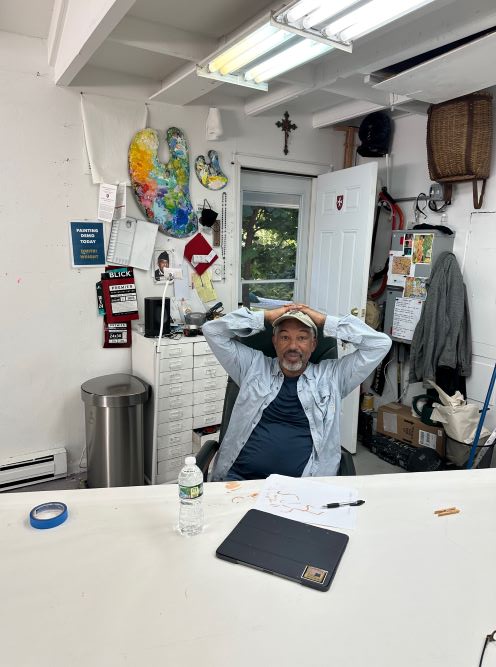
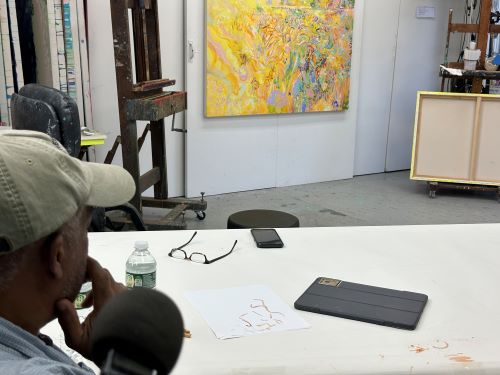
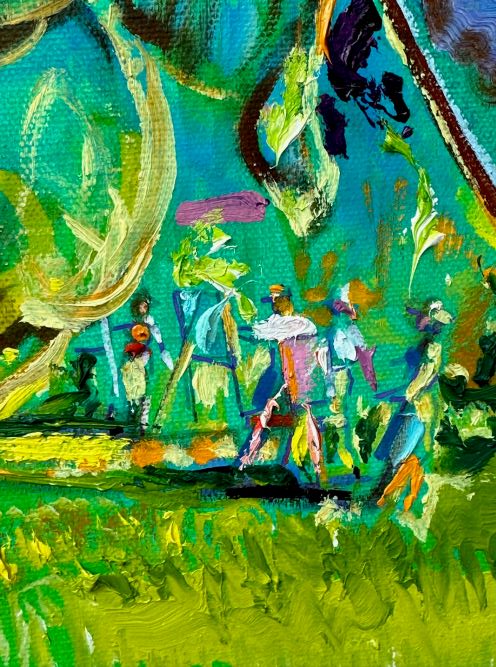
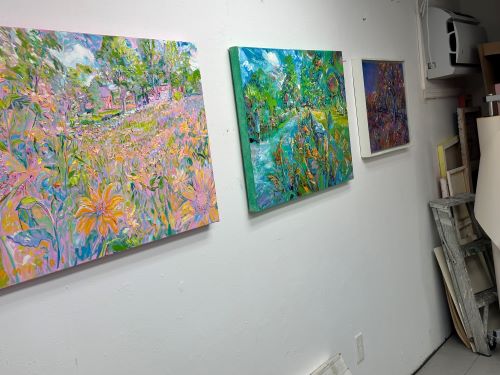
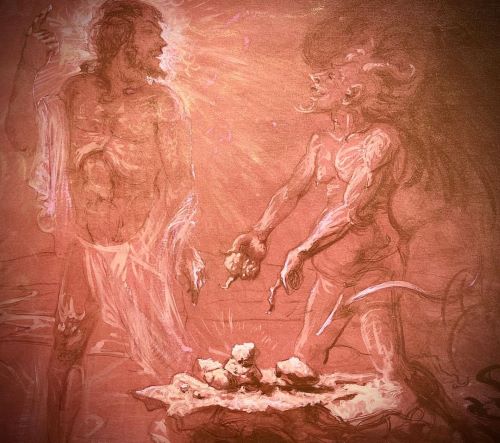
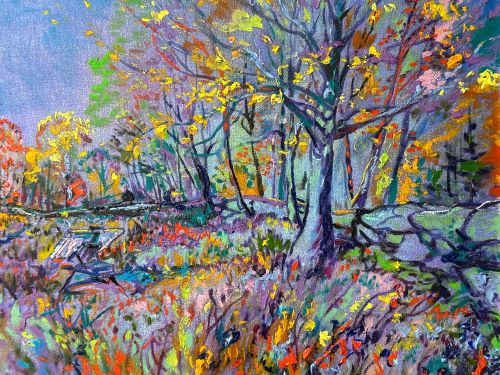
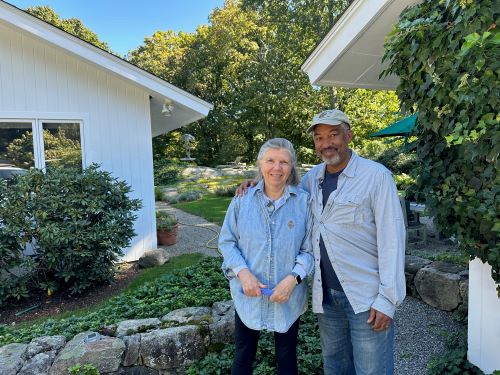
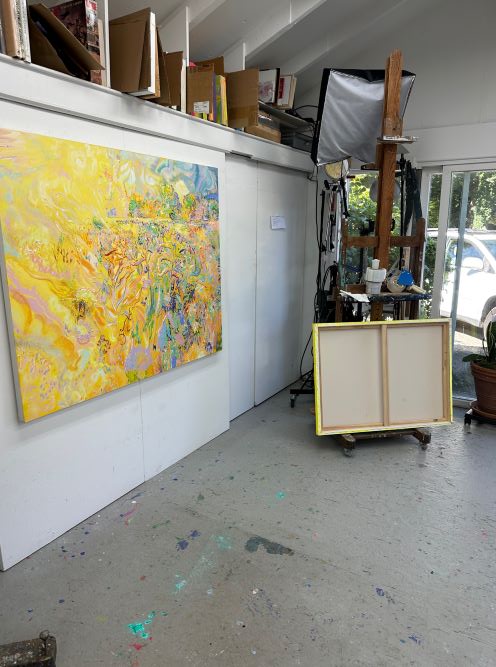
Dmitri works in a converted two-car garage at the home he shares with his wife Karen in a rolling landscape in Old Greenwich, CT. Shown are some examples from his more classical drawing days along with his most recent work.
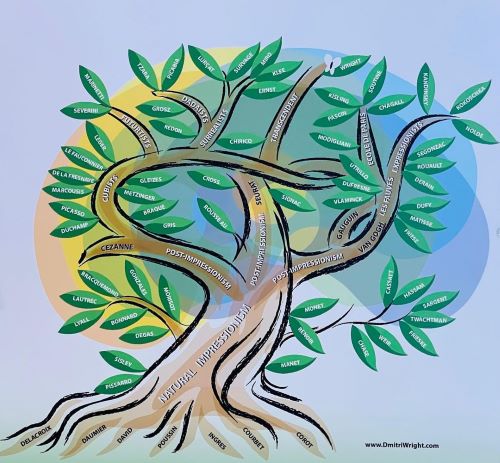
In teaching about Impressionism, he adapted a graphic to include women.
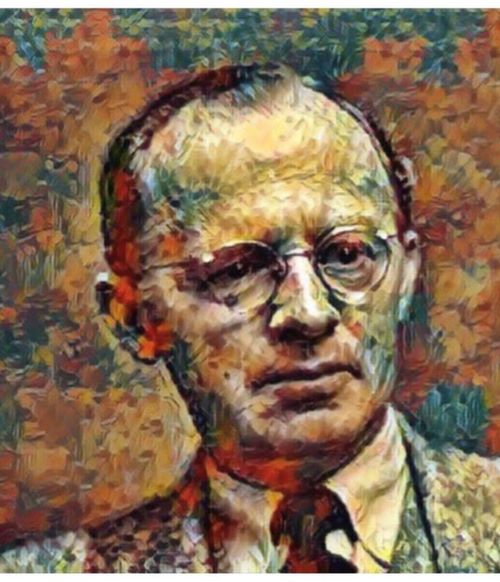
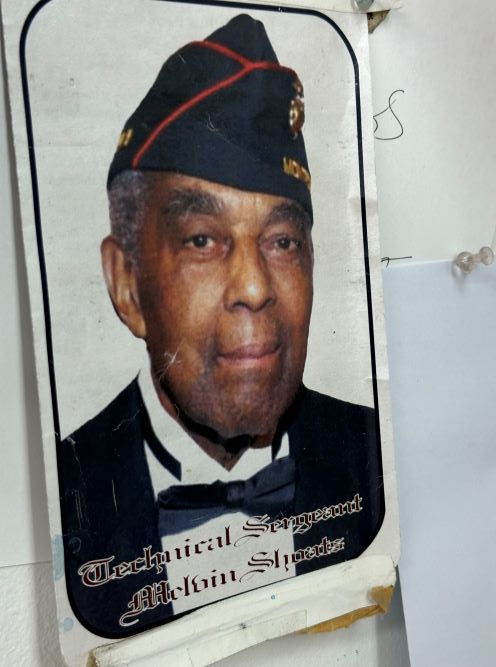
Dmitri credits his teacher, Samuel Brecher, and his uncle, Melvin Shoats, with helping him develop into an artist and a “gentleman.”
 Open Studio