Open Studio borrows the first hour of Wonderland to consider the Best Picture nominees in advance of the Sunday 3/10 Oscar telecast. With critics Rand Richards Cooper and Richard Alleva.
Listen to the episode
Open Studio borrows the first hour of Wonderland to consider the Best Picture nominees in advance of the Sunday 3/10 Oscar telecast. With critics Rand Richards Cooper and Richard Alleva.
Listen to the episode
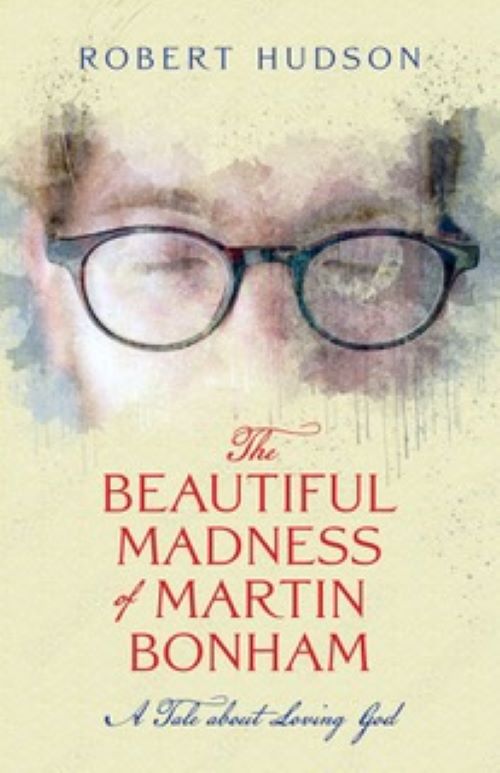
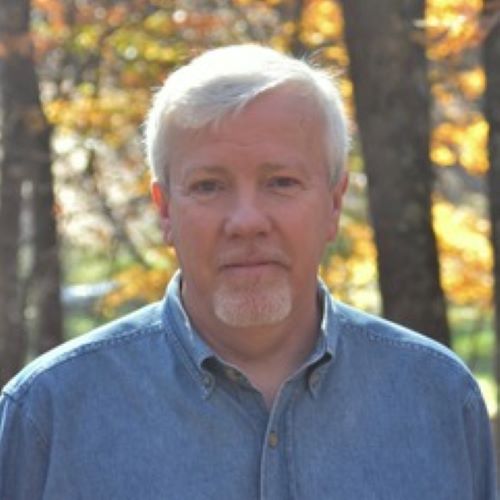
Today, a chat with the brilliant and prolific Bob Hudson, formerly a book editor at Zondervan/Harper Collins, who has another book out, a novel this time, titled The Beautiful Madness of Martin Bonham. As do most of Bob’s other books, this one has a spiritual theme running through it, the question of loving God versus merely knowing about God, which is why I think it’s a perfect conversation for Christmas Eve. I had a wise priest friend who quoted some lines which went something like this and, which seem relevant here:
Tho’ Christ be born a thousand times anew, despair o man, despair o woman, unless he’s born in you.
Bob’s novel goes to this question of how to fulfill the divine directive to love God with one’s whole self as opposed to merely learning about God. It may be instructive that Bob has been undergoing treatment for a slow-growing bout of cancer. Let’s put some positive vibes and/or prayers into the ether for Bob.
Before I bring him in, a coupla things I’d like to let you know. First, even though it’s winter, WESU is still in its fall pledge drive, looking to raise $25,000 to keep its free form community radio mission going. As of this writing, we’re less than halfway there. If you love this kind of programming, please click here and give what you can. The other thing I want to say is that this will be my last Open Studio episode for awhile. I’m taking a hiatus of a few months to indulge in some creative self-care: namely, painting. I look forward to resuming after the summer. Till then, Merry Christmas, Happy New Year, and happy every other holiday till I’m back on air!
And now, without further ado, my friend, Bob Hudson:
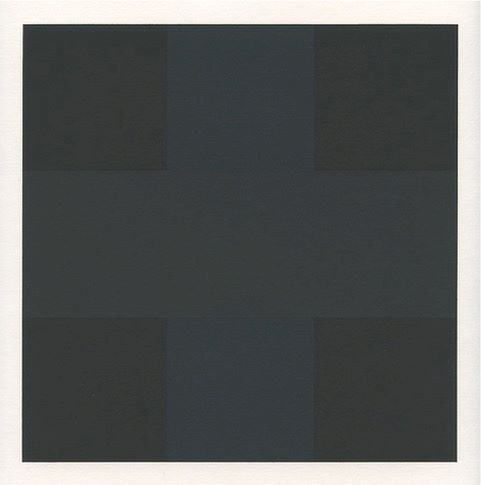
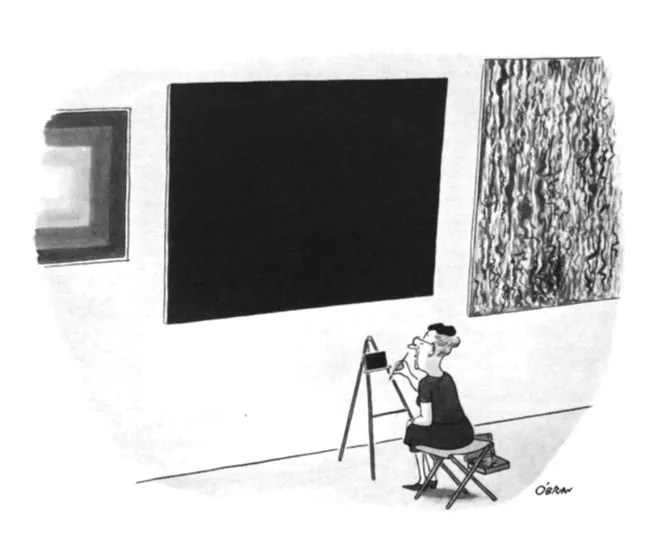
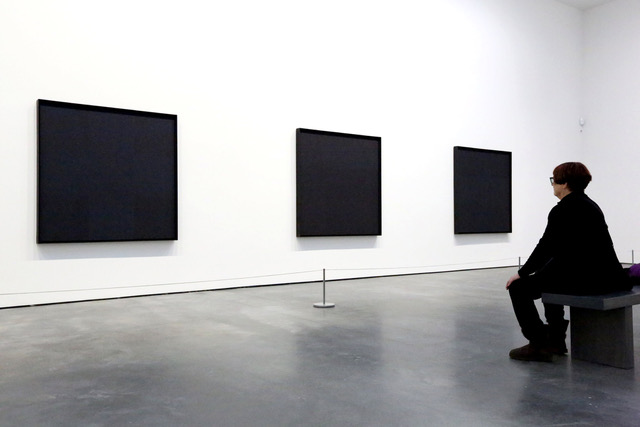
The famous — and famously satirized — 1960s-era black-on-black art of Ad Reinhardt, who was a friend of the Catholic mystic Thomas Merton, figures into the novel’s discussion of darkness vs light. As one of Hudson’s characters, an art professor, says, “Perhaps we love God by not presuming to know more than we actually do, and by just opening ourselves to the mystery we can’t begin to comprehend, and to hope in things not seen. We can love God in the darkness.”
Below, Warner Sallman’s ubiquitous 1940 “Image of Christ”:

The Beautiful Madness of Martin Bonham follows in a long tradition of comic novels set on college campuses.
Hudson appeared on my previous WESU-FM program “Reasonably Catholic: Keeping the Faith.” Here are links to those episodes:
On his book, The Art of The Almost Said: A Christian Writer’s Guide to Writing Poetry
On his book, The Monk & The Record Player: Thomas Merton, Bob Dylan, & The Perilous Summer of 1966
The Christian Writer’s Manual of Style
Seeing Jesus: Visionary Encounters from the First Century to the Present
The Further Adventures of Jack the Giant Killer
Kiss the Earth When You Pray: The Father Zosima Poems: 42 Meditations and a Prayer
Four Birds of Noah’s Ark
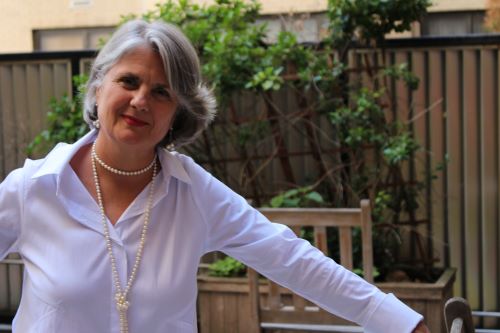
Today, we take up a new topic: theater. A visual art if ever there was one. Are you a writer or want to be one? Do you have a one-act play you want produced? Lenore Skomal is the award-winning author of 20 books and, most recently, a playwright whose work has been staged Off Broadway. She created and directs the Broadway Bound Playwriting Festival, which is now accepting submissions. The website has submission guidelines. In our lively conversation, Lenore describes her journey from newspaper reporter to author to playwright to Broadway producer. One of her books, Lighthouse Keeper’s Daughter, rescues from obscurity Ida Lewis, a 19th-century heroine who was as famous as Amelia Earhart was in her day. The story is in the process of being produced for the big screen. As you’ll hear, Lenore is witty, curious, enterprising, and engaging. And I for one learned a lot – namely, if I don’t know how to do something, I should just ask someone who’s done it! Quelle surprise. You’re going to love Lenore.
Speaking of love, I’d like to add that WESU has launched its fall pledge drive. If this is the kind of programming you love, why not show the station some love by donating to its fall pledge drive? There are way-cool gifts. Jus’ sayin.’
And now, Lenore Skomal.
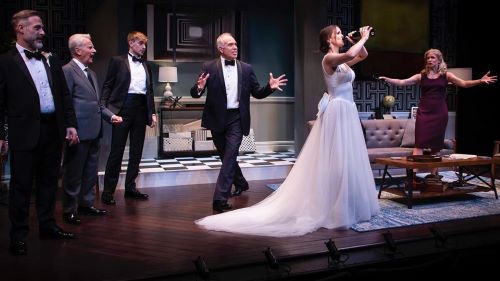
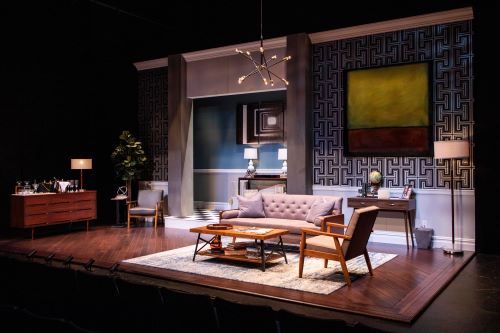
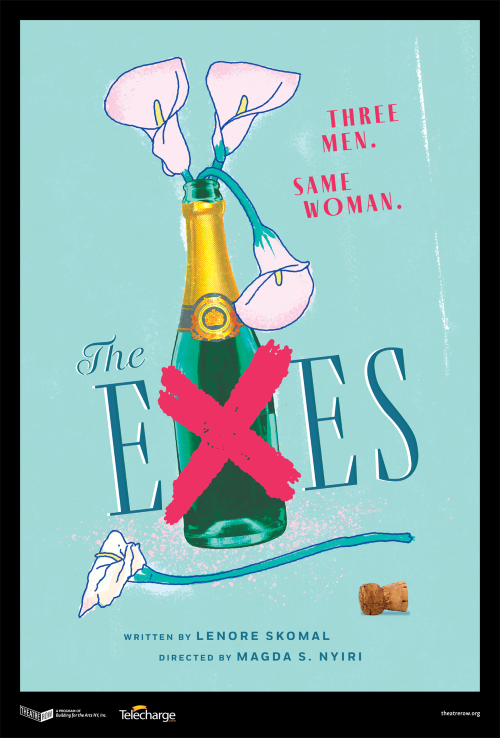
Images from Lenore’s Off-Broadway play The Exes
Lenore has generously provided this recording of Bluff performed as a radio play. Enjoy!
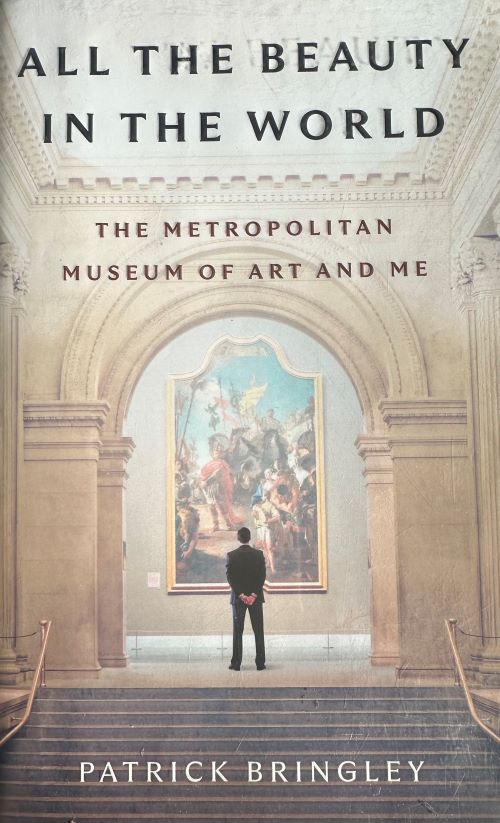
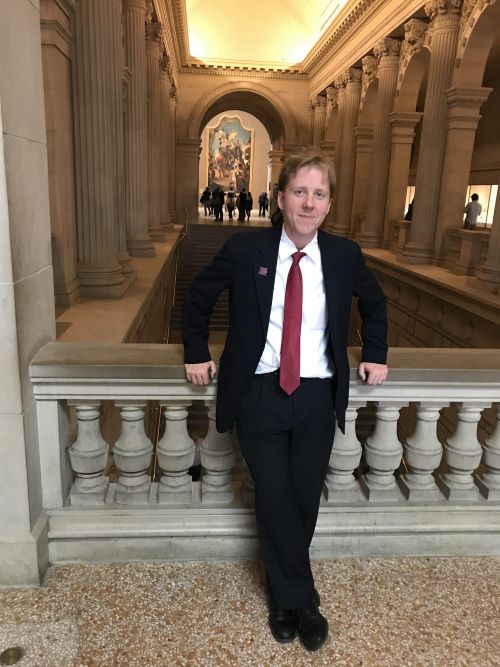
Today, we go behind the scenes of the august Metropolitan Museum of Art. Patrick Bringley is the author of All the Beauty in the World: the Metropolitan Museum of Art & Me, a highly well-received new book about his 10 years as a museum guard – and more than that, about how he worked through his grief over the too-soon loss of his brother and the power art has to heal, educate, and excite us.
It’s a rich and beautiful story full of insights – some of them funny — born of his meditative standing and looking – with visitors and without – for hours at a time in the rooms of the Met and interacting with coworkers who, as he points out in our interview, are often described as “characters.” Were they characters before they came to work at the Met or did working there making them so? Probably a little of both, he says.
As for him, yes, his Met life, as it were, did change him. You’ll learn exactly how from our conversation which, if you’re like me, will make you even more eagerly look forward to your next visit to the Met.
But before I introduce Patrick Bringley, I’d like to take a moment to say WESU has launched its fall pledge drive. If this is the kind of unusual programming you enjoy, please support the station by making a donation. There are way-cool gifts. Jus’ sayin. Okay, without further ado: Patrick Bringley.
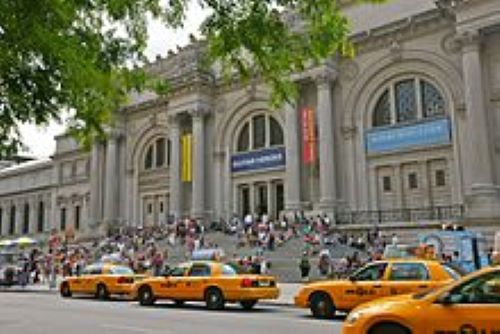
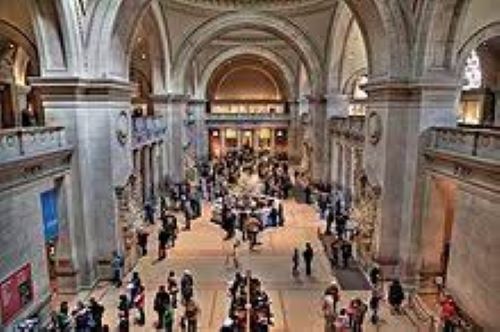
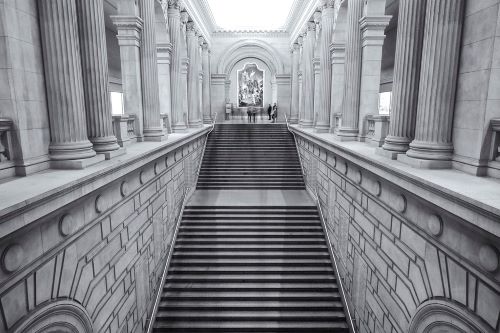
The Met, at 1000 Fifth Avenue, an ideal setting for profound, even religious, experiences!
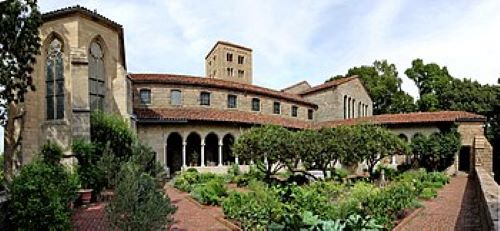
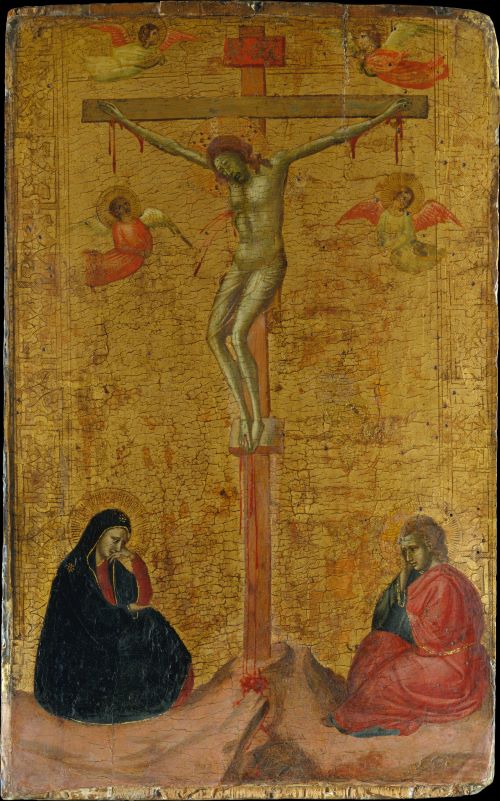
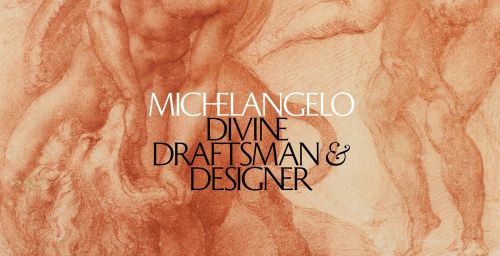
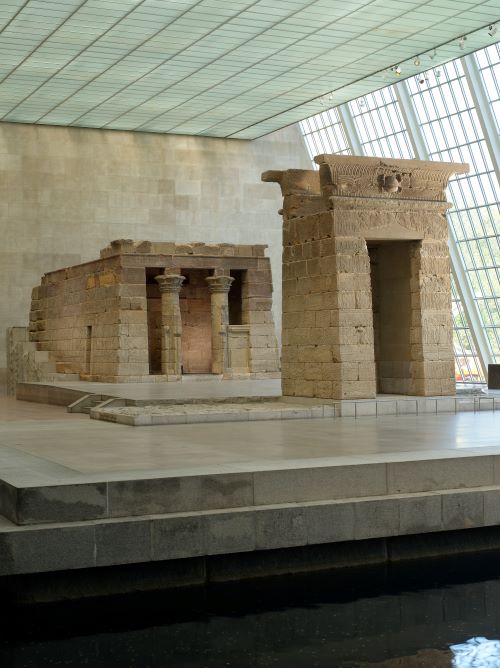
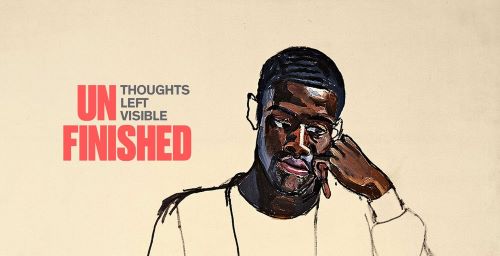
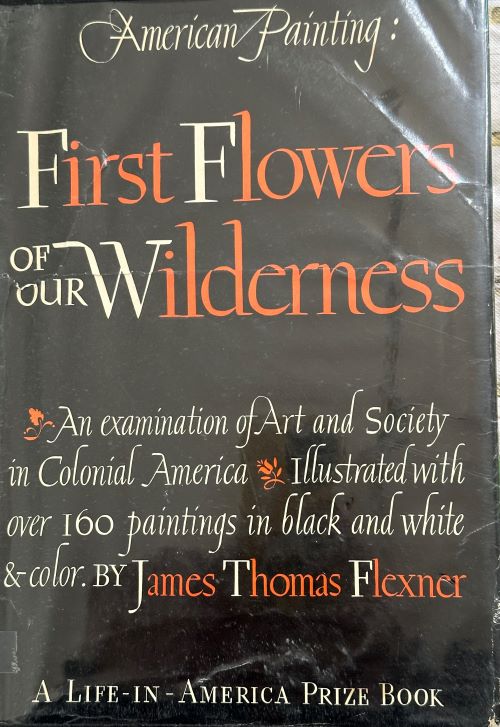
Mentioned in our interview: The Cloisters, in Upper Manhattan’s Tryon Park, full of medieval art; a crucifixion by Bernardo Doddi, a favorite of Bringley’s; the poster for a magnificent Michelangelo exhibit; the famous Temple of Dendur; the poster for a show of unfinished work; and a book explaining early American art.
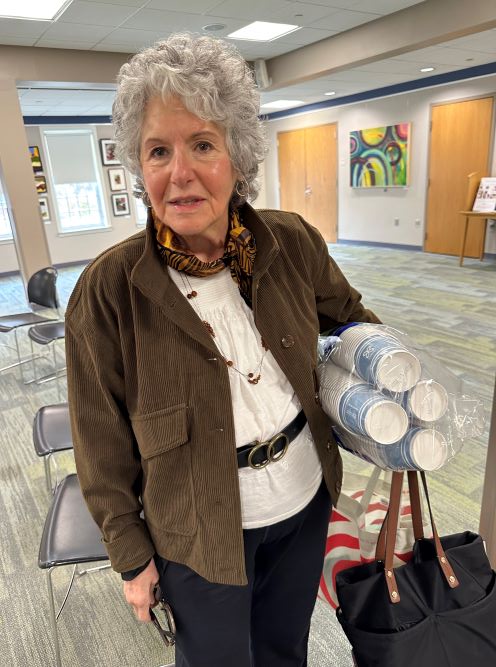
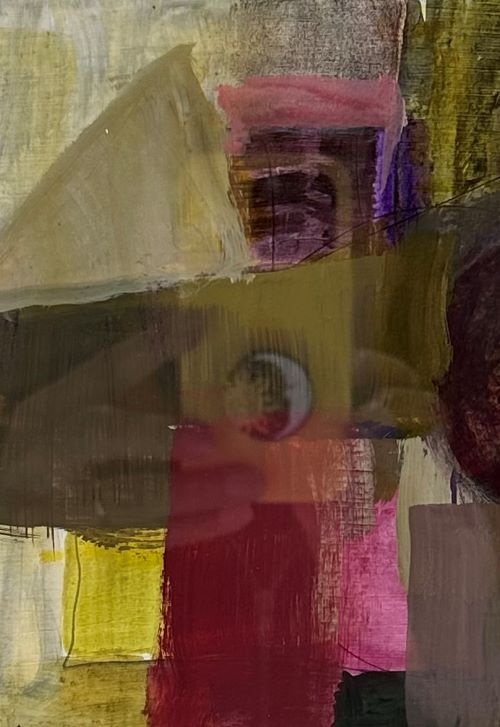
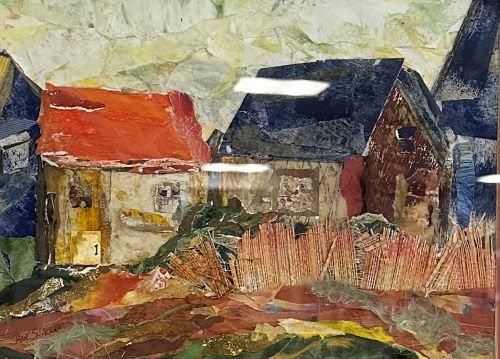
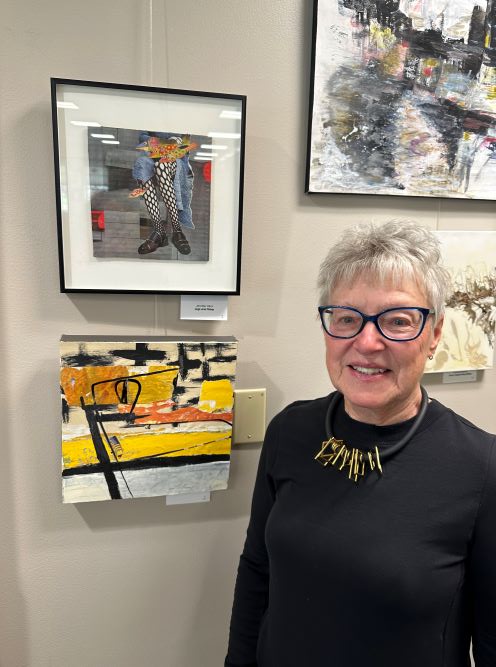
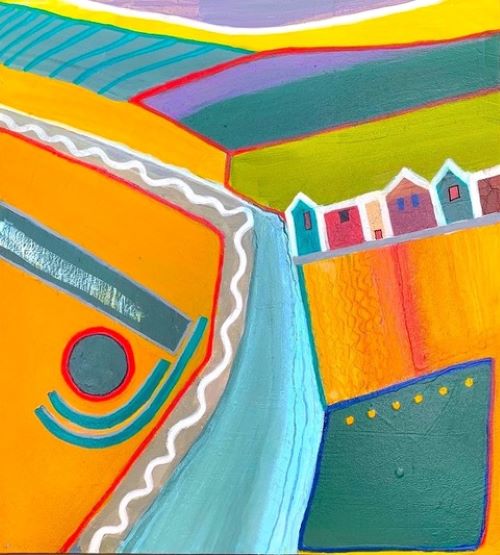
Today, a new exhibit at the Simsbury Public Library, up through Nov 30th, provides the opportunity to explore collage. Nancy Jensen has been making art with the same group of women – they call themselves The Paper Dolls – for nearly 20 years.
Nancy was a guest on the show nearly two years ago, on an episode about becoming an artist later in life and you can find that episode archived at the openstudioradio.org blog. What you need to know this time is that Nancy is, quote, “so seduced by paper.”
And if the meaning of collage work can prove elusive, well, as Nancy says, “it should be mystifying and annoying because no one’s gonna hand it to you. Sorry.” We began our conversation in the Program Room of Simsbury Library as Nancy was carrying in paper cups and rugulah for the opening reception of the show, appropriately titled Cutting Up.
Later in the episode, we also hear from Paper Doll poet/collagist Jennifer Glick, who’s exhibiting her art for the first time, and from the Simsbury Library’s art coordinator Barbara Butterworth on the value of displaying art in libraries.
Before we meet our guests, letting you know that the nonprofit Spectrum Gallery opens its holiday exhibit this Friday, the 17th, with an opening reception from 6:30 to 9, and then an open house that weekend starting at noon. There’ll be fine art of all kinds, plus artisan-made jewelry, ornaments, repurposed clothing, and stocking stuffers.
And now Nancy Jensen.
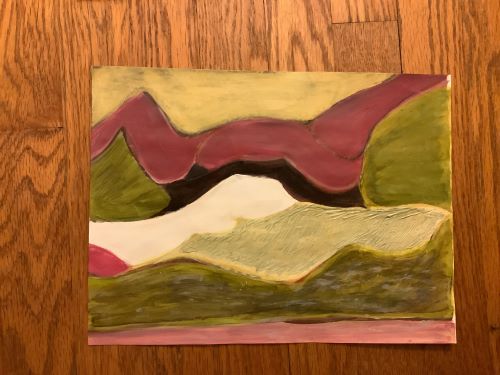
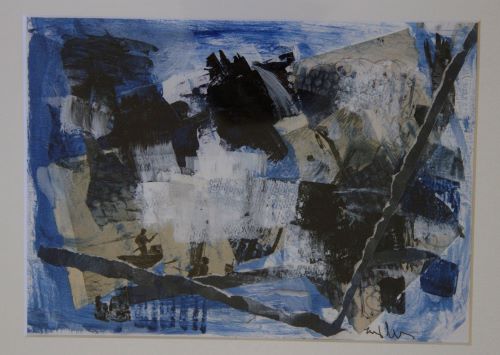
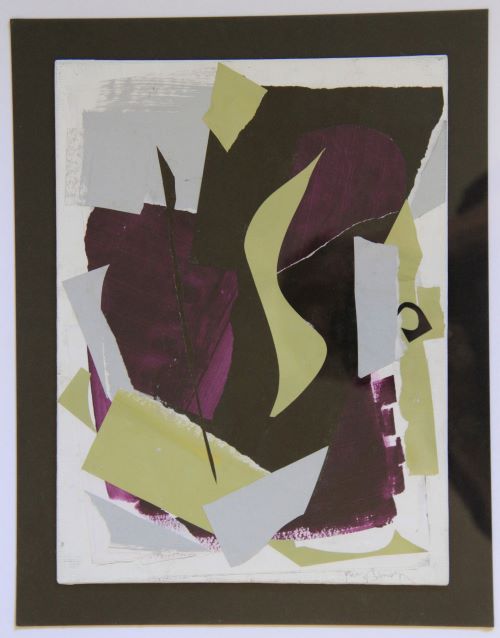
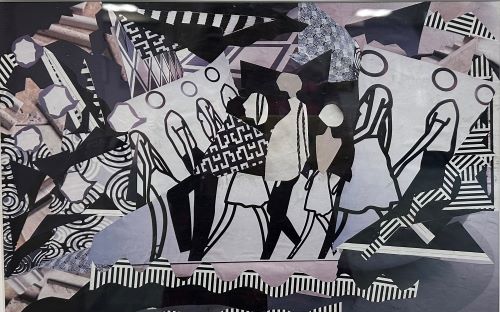
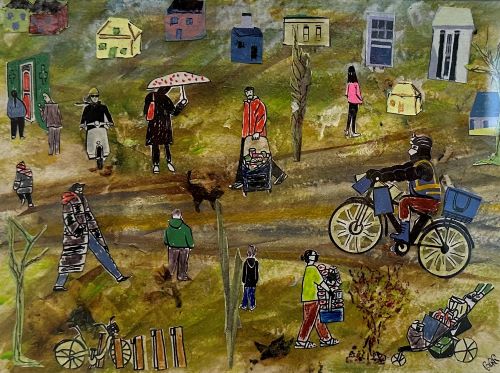
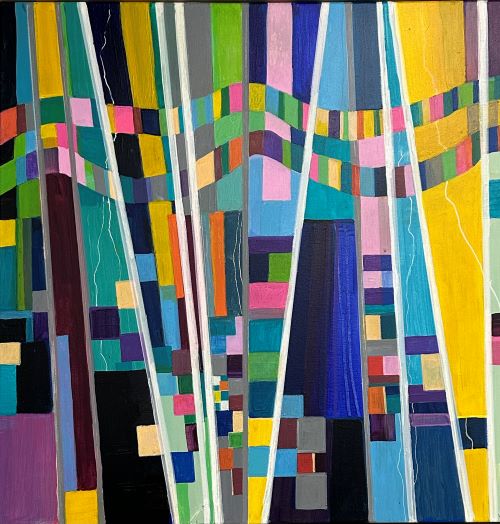
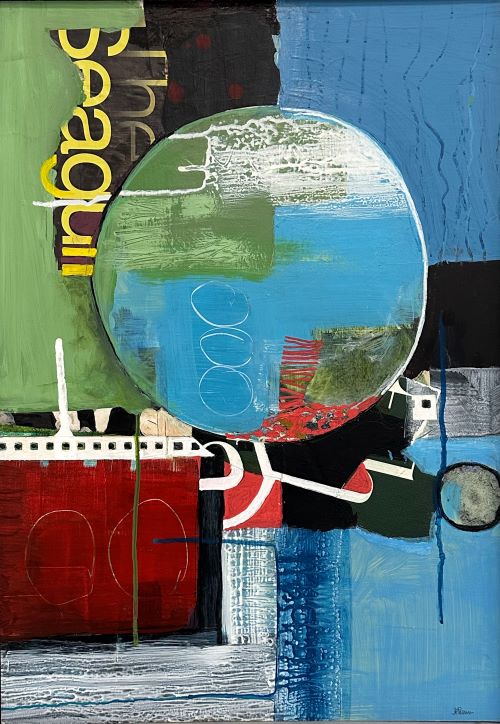
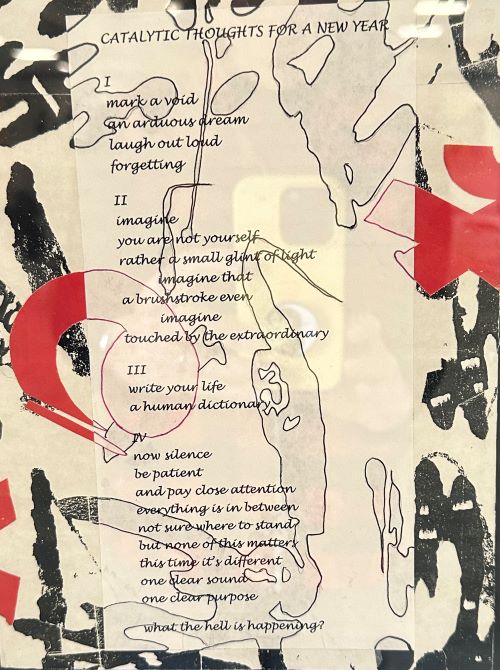

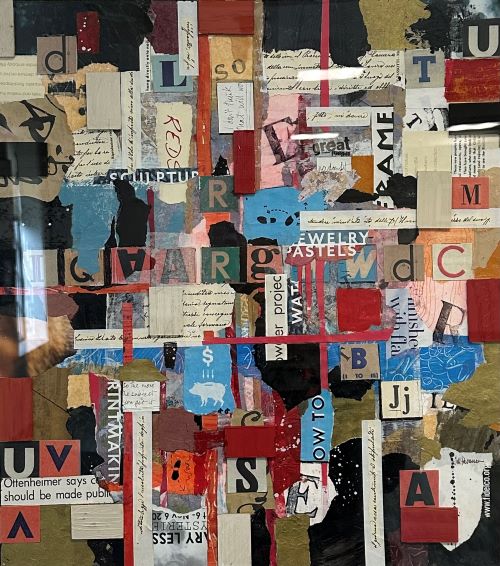
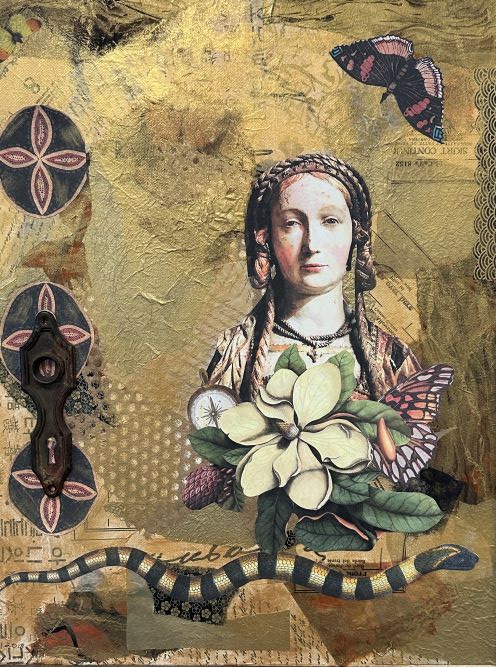
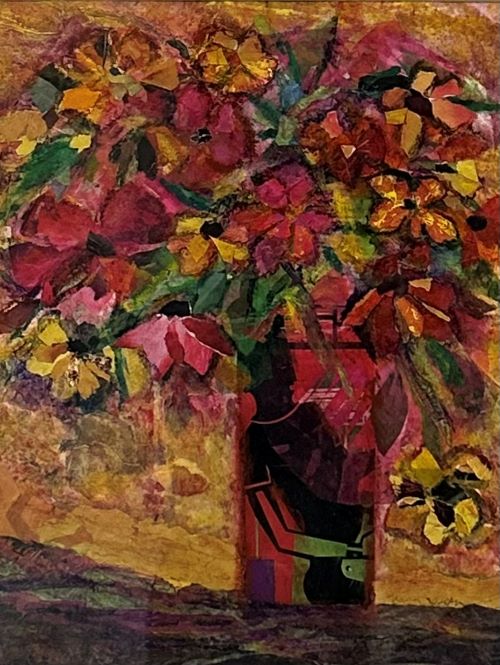
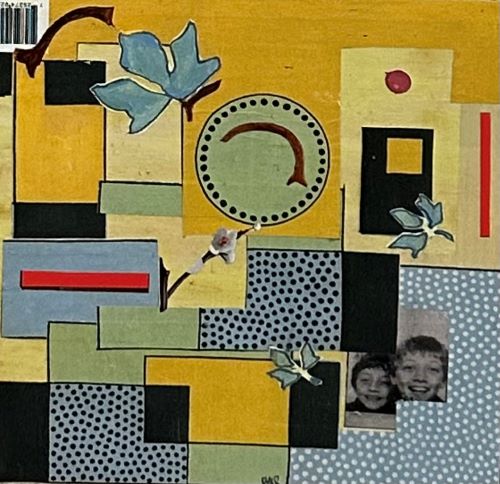
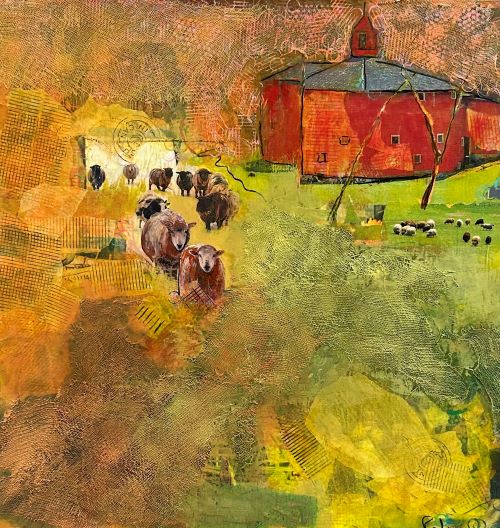
The Paper Dolls are: Vibeke Dressler, Jennifer Glick, Nancy Jensen, Jill Pasanen,
Barbara Ross, Jane Shaskan, Carol Schiffman, Linda Rahm, and Diane Zibell
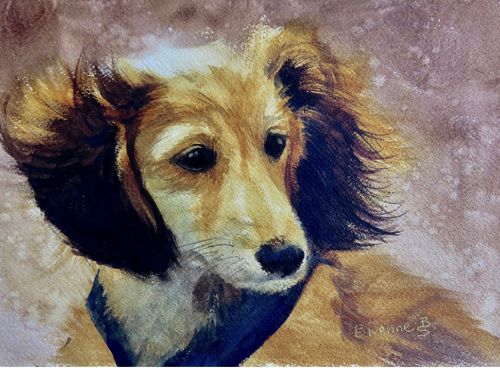
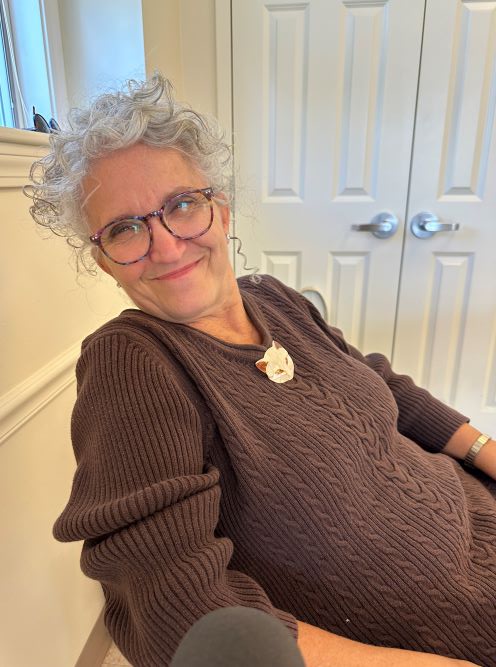
Today, an episode that contains more than I bargained for – not only an interview with pet portraitist and art teacher Bivenne Staiger, but a bonus, some instruction by Bivenne in the handling of her preferred medium, watercolor, a medium I’d never adopted. It seemed to require mental gymnastics that my brain is now – maybe always has been — too inflexible for. Also, when I think of watercolor paintings, I picture faint washy, kinda boring landscapes, far from delivering the deep goozhy impact of oils. As for pet portraiture, since August, I’ve been grieving the loss of our sweet cat William, my constant companion of 18 years, and have been thinking about painting yet another picture of him. And around that same time, at the Spectrum Gallery in Centerbrook, I happened on Bivenne’s very alive painting of a dog, “Golden Dachshund,” shown above. The sight of it collided with my vague awareness that pet portraits, especially done on commission, are somehow less respectable than other subjects. This gorgeous watercolor painting of a dog, with its deep darks in the ears and an unfussy sense of movement and expression – well, I’d dare anyone to say it was not art. Long story short, I met Bivenne at the senior Center in Portland, CT, where she teaches watercolor, and we took my prejudices out for a walk. A suggestion: as you listen to the episode look at — and enjoy! — photos of Bivenne’s work below.


Bivenne finds the dog on the right more interested than the other.
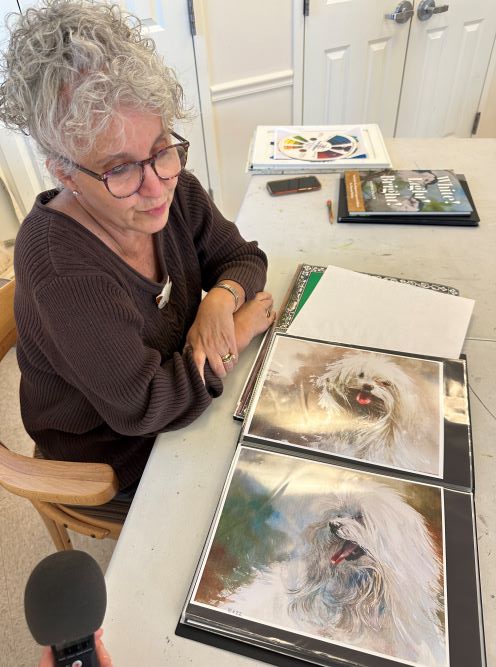
She walks us through a portfolio of photos of her work.
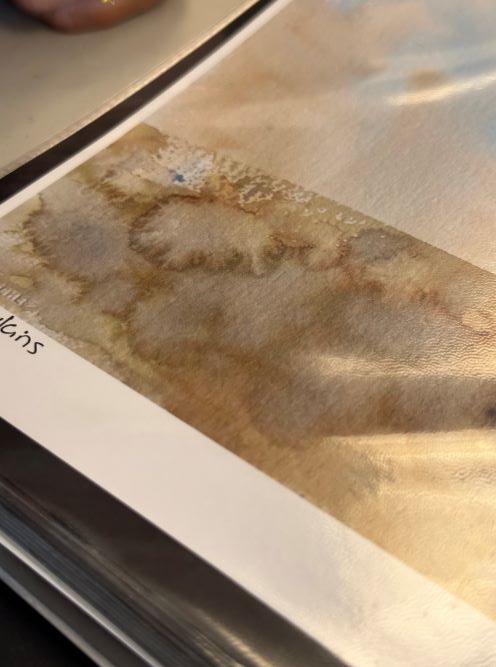
She calls this effect a purposeful bloom.
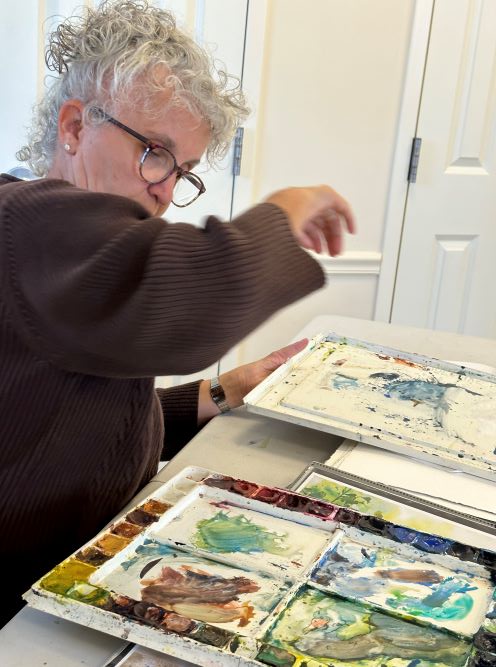
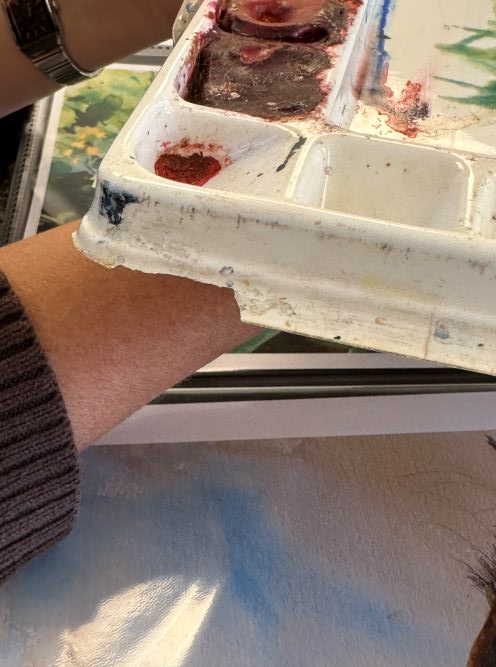
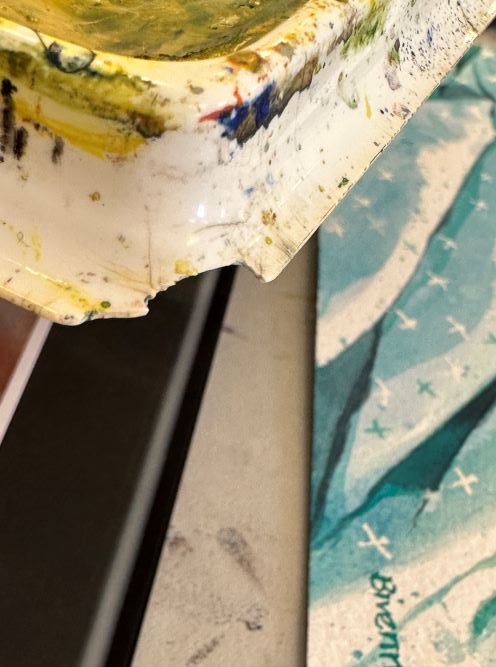
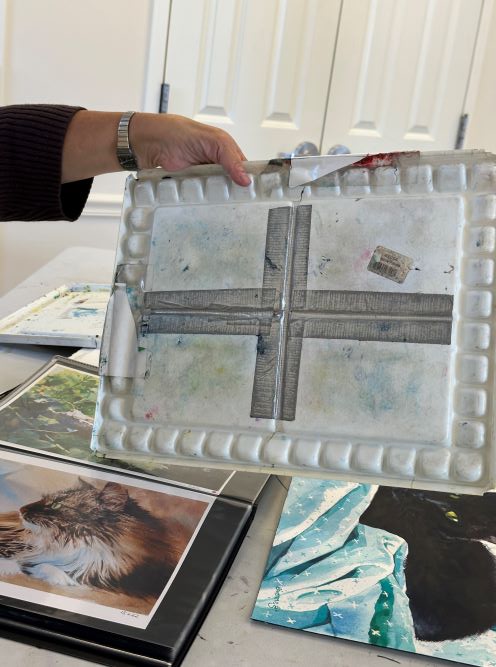
Bivenne’s mother gave her this palette about 50 years ago. Pudge, a late, lamented kitty, liked to chew the edge.
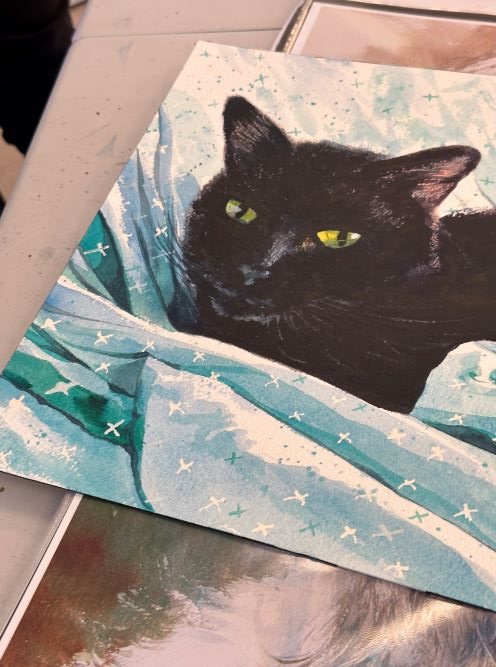
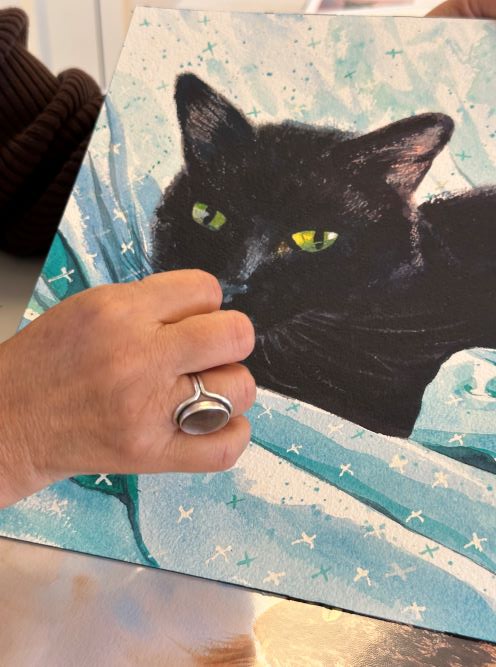
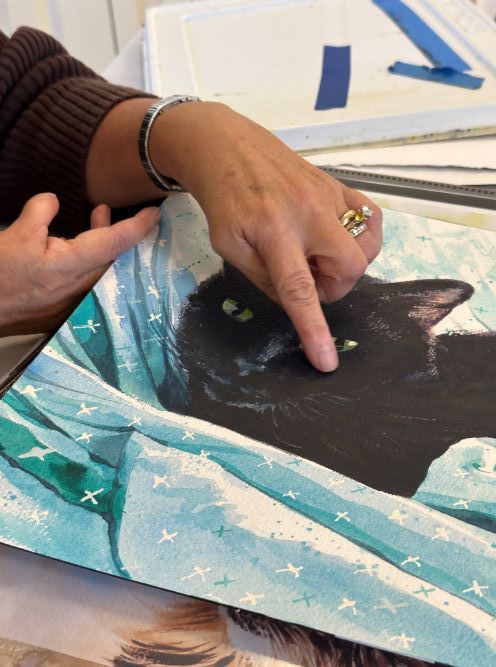
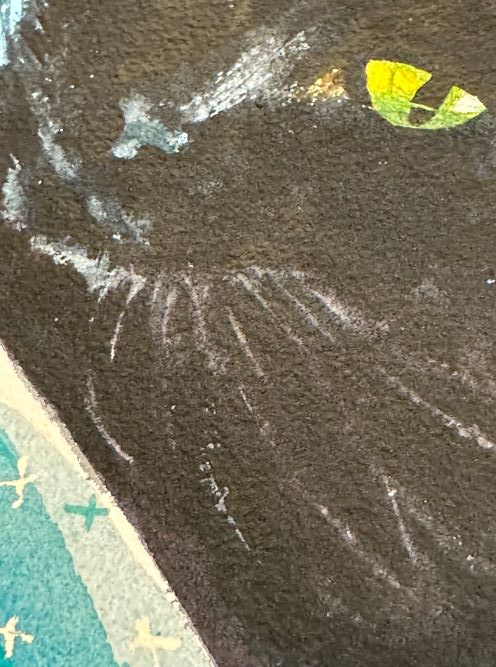
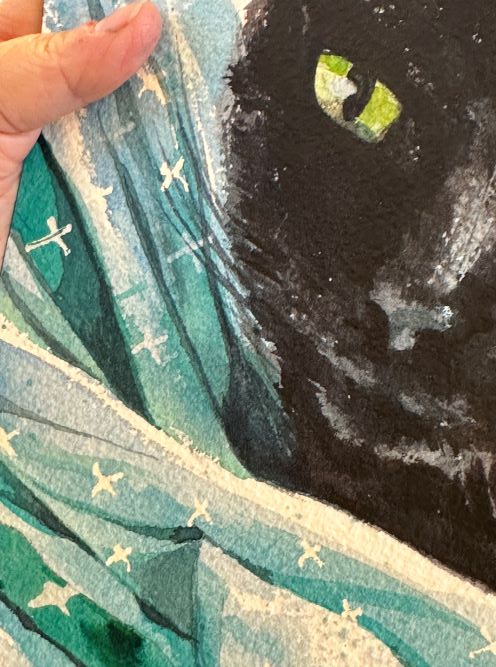
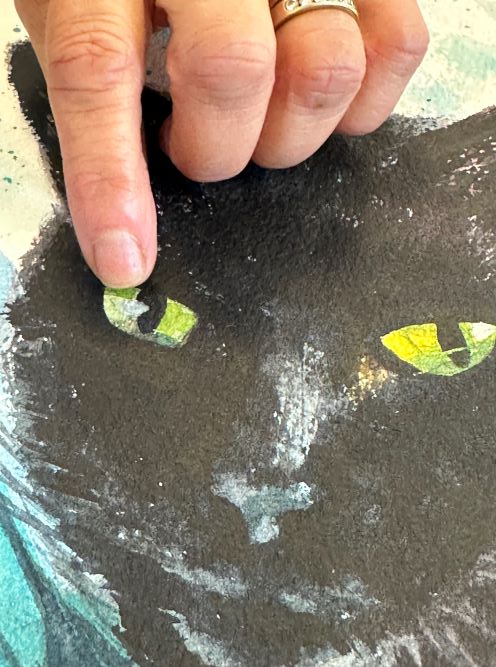
On painting Pudge. The white whiskers were the bare paper; Bivenne painted the negative space around them!
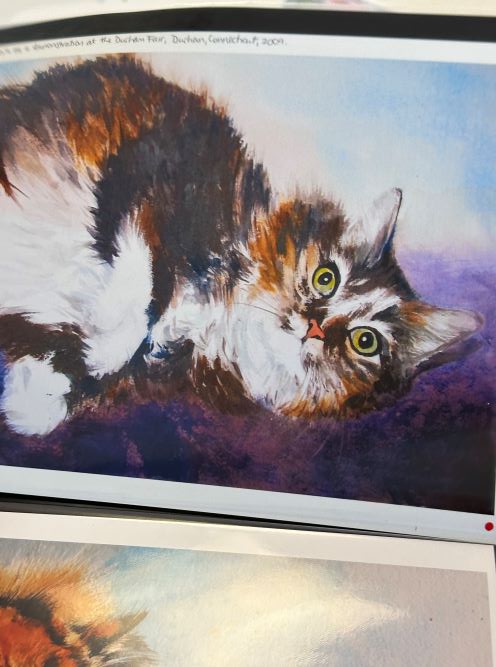
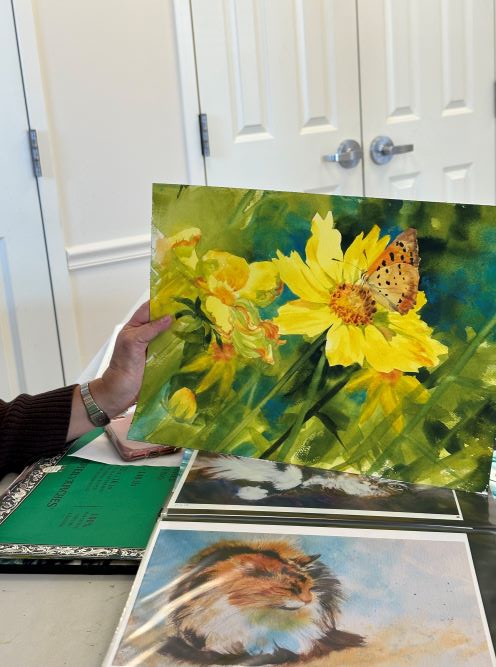
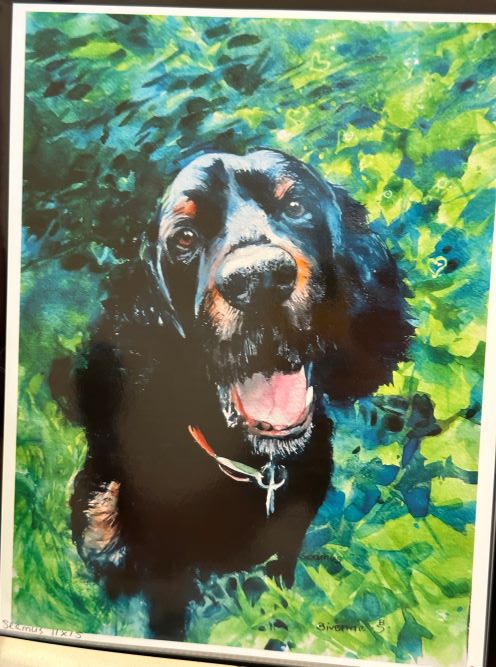
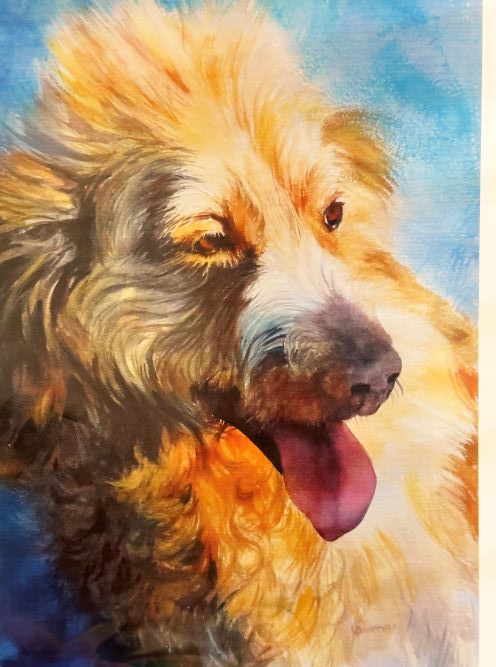

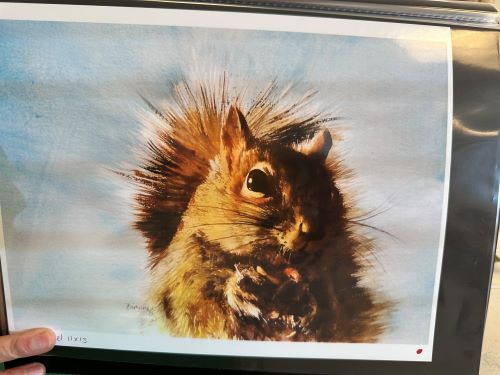
Bivenne takes up each of these in our conversation.
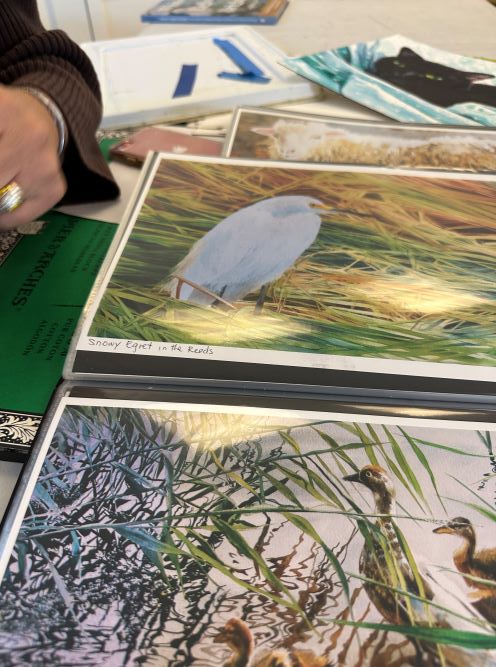

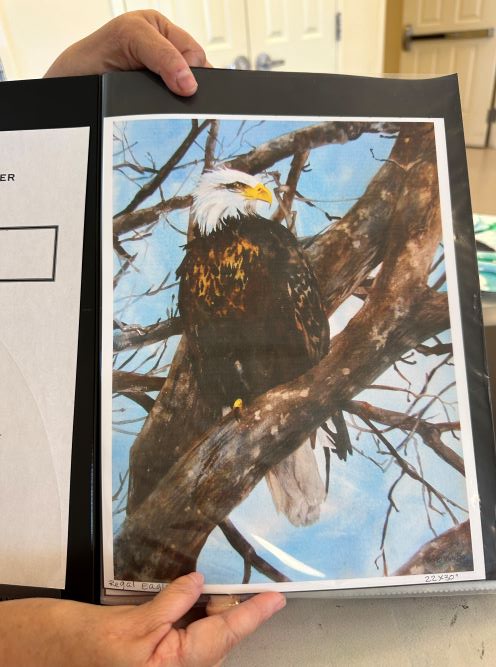
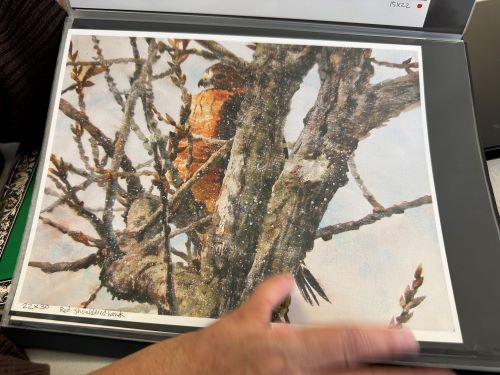

She especially loves birds. The one shown in the upper left was an uninteresting shape so she made the background busy. In the case of the squirrel in the collection above, it was interesting enough that Bivenne left the background plain. Her book White! Light! Bright! is subtitled How to Make Your Backgrounds Support and Enhance Your Watercolor Paintings.
She inscribes a copy for me.
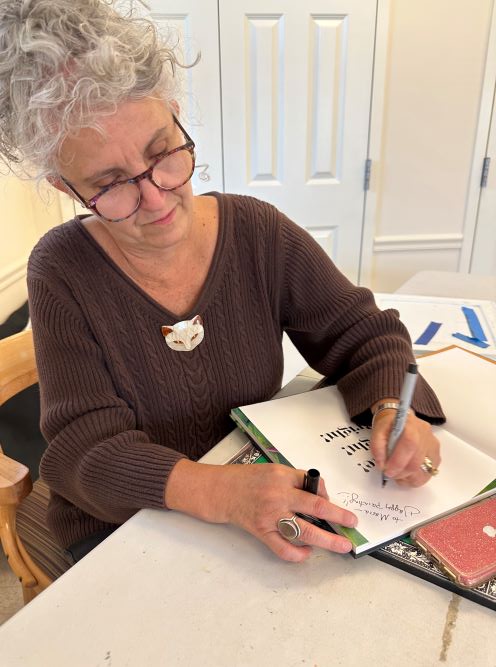
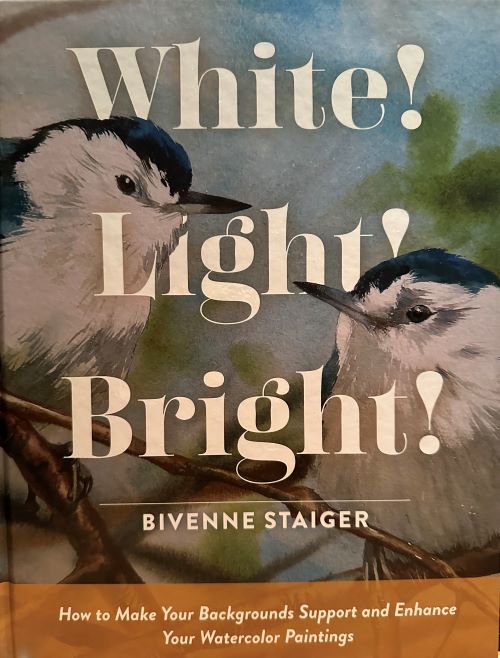
She inscribes a copy to me!
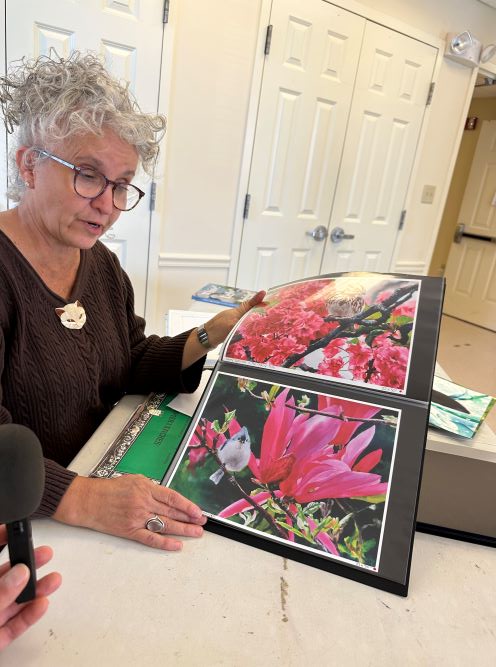
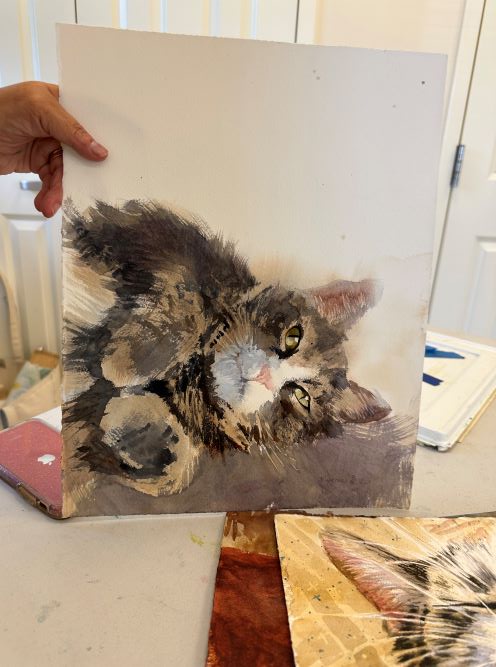

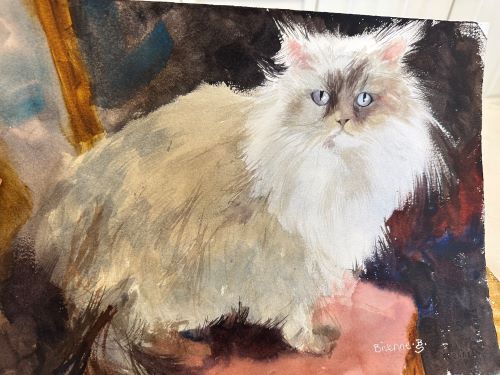

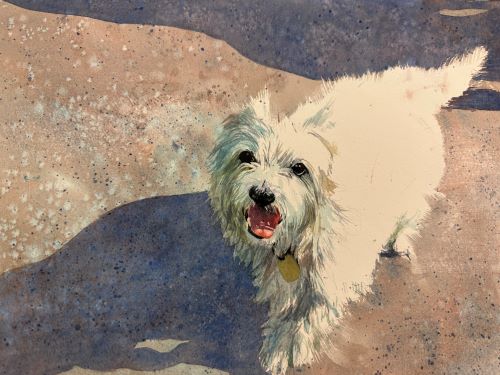
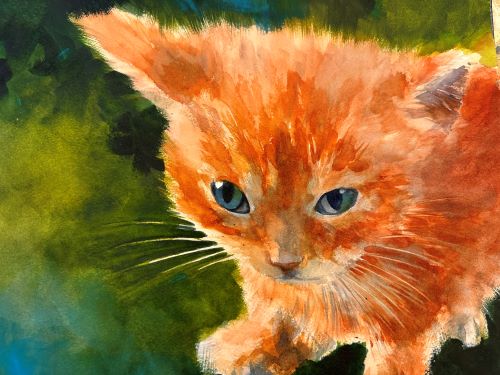
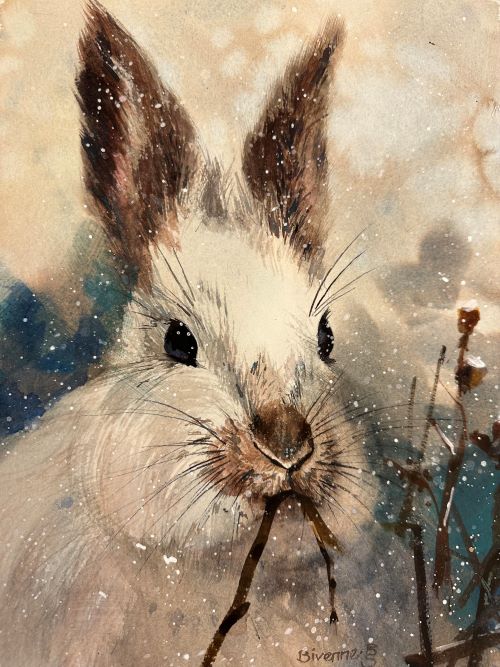
Yet more for your enjoyment! Bivenne exhibits at Spectrum Art Gallery in Centerbrook, CT. If you’re interested in purchasing art or in her watercolor classes, you can email her at bivenne@yahoo.com.
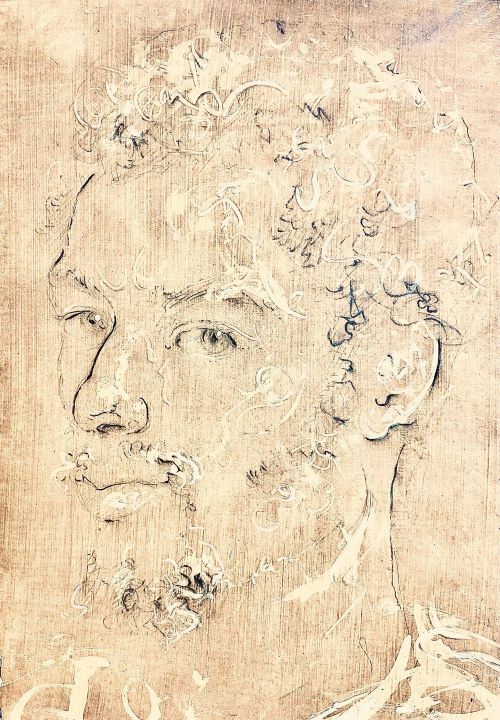
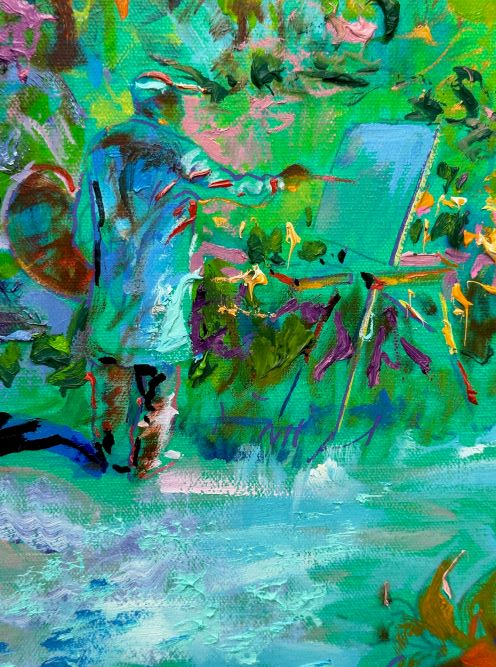
You know, I think I’ve yet to meet an artist who wasn’t interesting but Dmitri Wright takes interesting to a whole ‘nother level. As a young man growing up in Newark, NJ, he discovered art by way of a teacher who noticed and encouraged his talent. He was classically trained in what’s known as The Academy, an Old World system in which students work under the tutelage of a master who corrects them down to their posture as they learn to draw extremely precisely from plaster casts of classical statuary, among other sources.
Dmitri was so good at this that he earned a prestigious scholarship, one of several honors, and ultimately took over for the master. But along his artistic path – which included several serious health crises requiring major surgery, the lessons from which he turned to his psychological, emotional and artistic advantage; financial downturns during which he supplemented painting with construction, landscaping, house painting, and roofing; earning a degree in organizational management since he was always finding himself in leadership positions, resulting in his developing new art programs, including the one where I met him, at a national park in Connecticut – yes, there’s a national park in CT, Weir Farm, the only national park, btw, that’s devoted to painting — and then there’s his whole spiritual journey involving meditating and converting to Catholicism, and becoming a Knight of Malta, using his art for charitable causes.
Throughout all this life experience, and kind of like Picasso, the draftsman in him felt his way toward his true artistic destination, which is Dmitri’s case is Impressionism. He loves Impressionism. For him, it’s not so much an artistic style as a way of life, imbued with poetry and embracing Nature. We talked one recent afternoon in his studio in Old Greenwich, CT, and would probably have gone on talking till the sun went down but this is only a one-hour show. If our conversation whets your appetite, you can learn more about Dmitri at here.
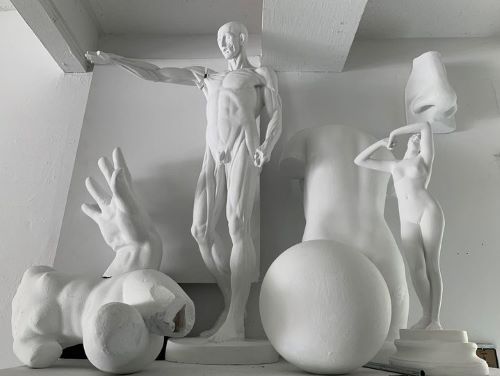
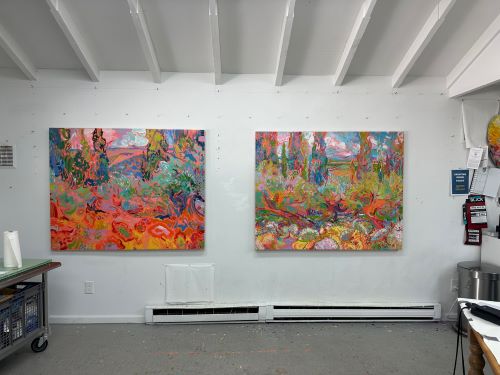
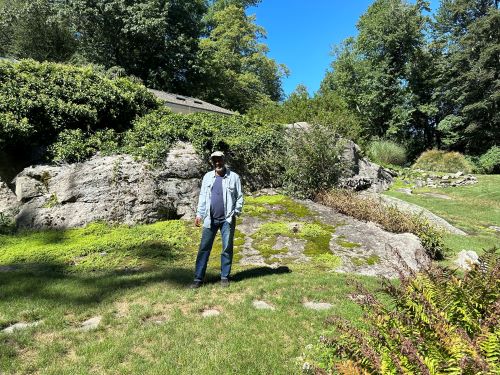
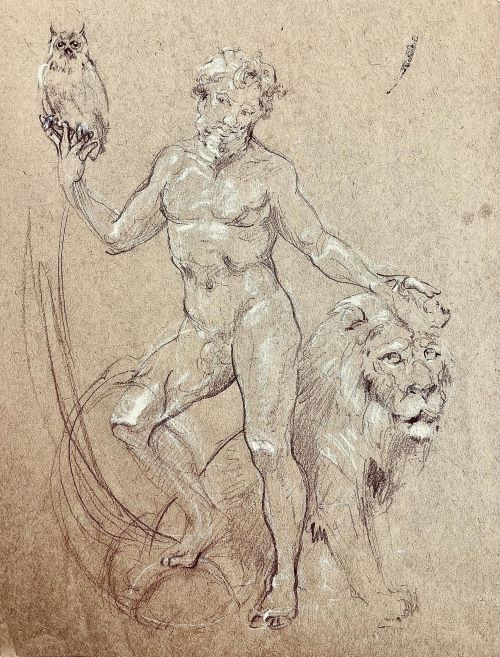
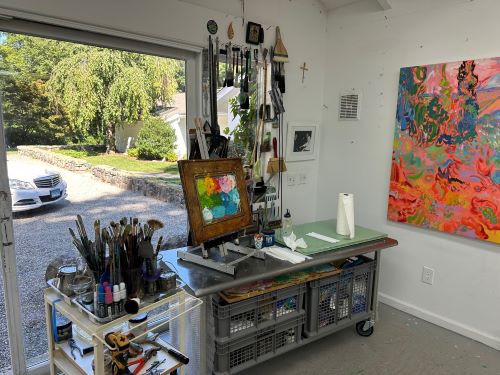


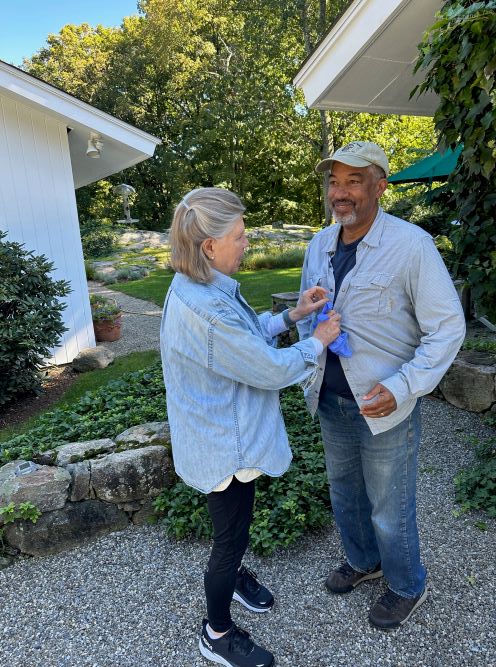
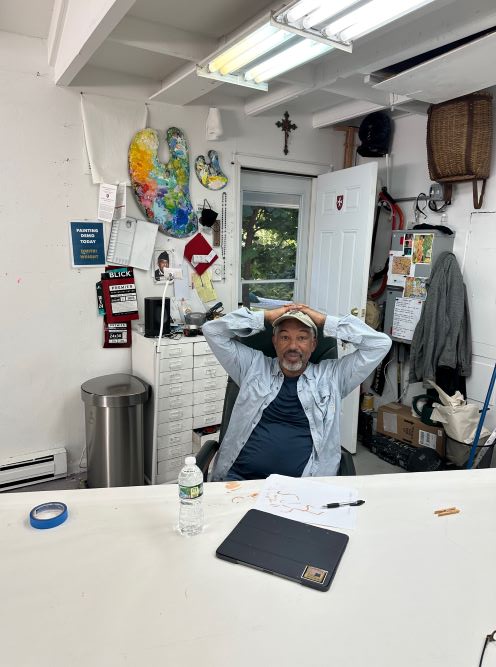
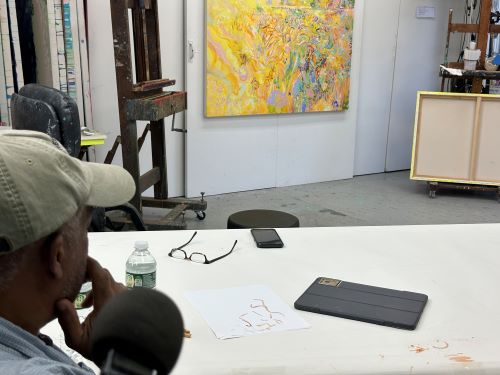
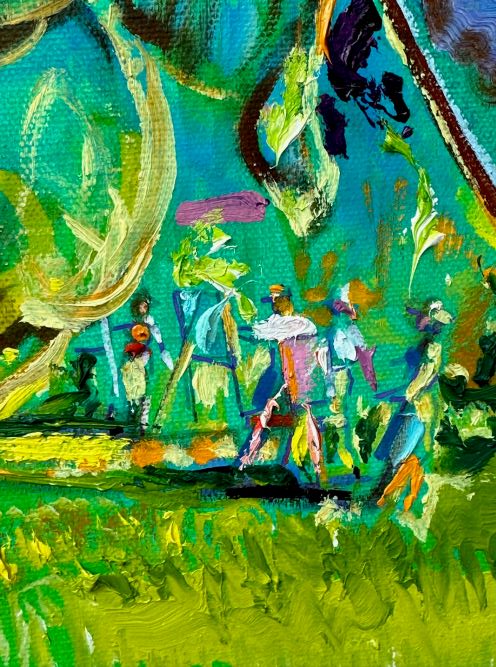
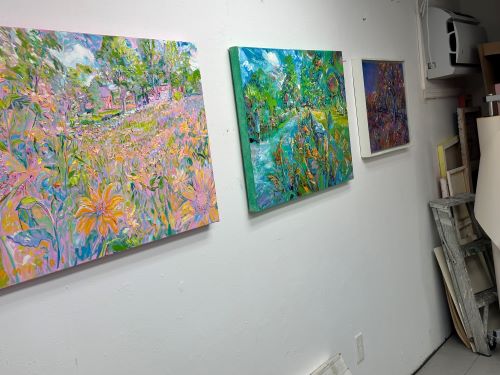
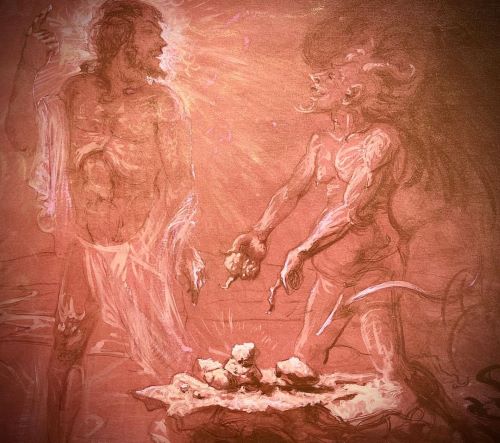
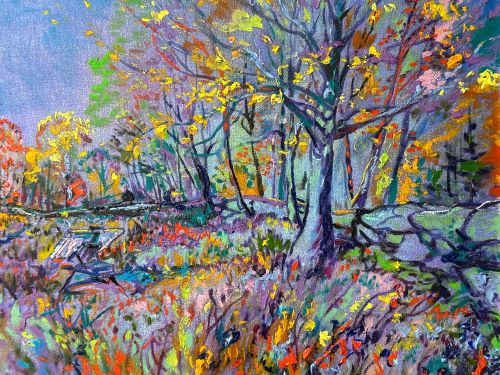
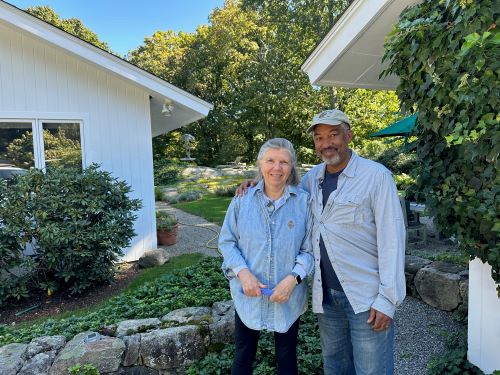
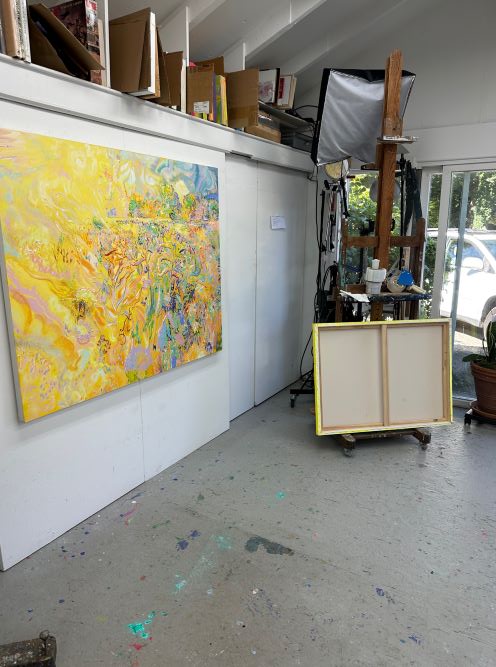
Dmitri works in a converted two-car garage at the home he shares with his wife Karen in a rolling landscape in Old Greenwich, CT. Shown are some examples from his more classical drawing days along with his most recent work.
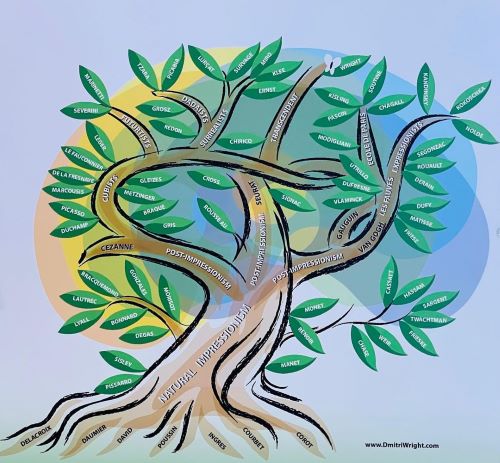
In teaching about Impressionism, he adapted a graphic to include women.
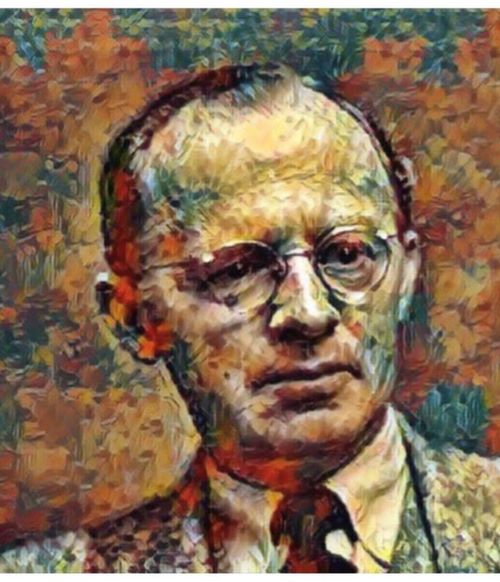
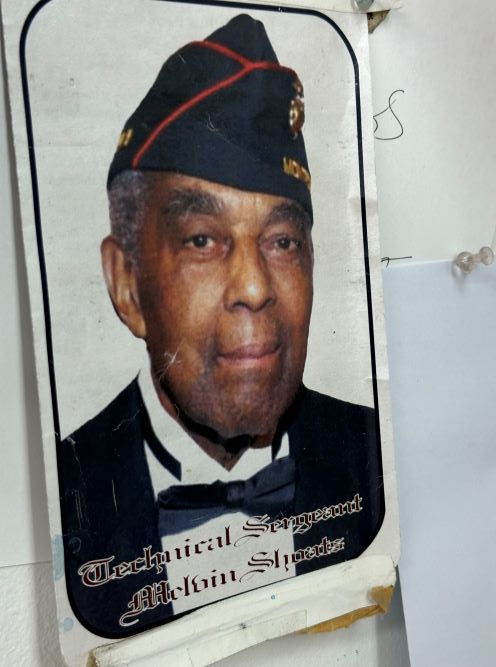
Dmitri credits his teacher, Samuel Brecher, and his uncle, Melvin Shoats, with helping him develop into an artist and a “gentleman.”
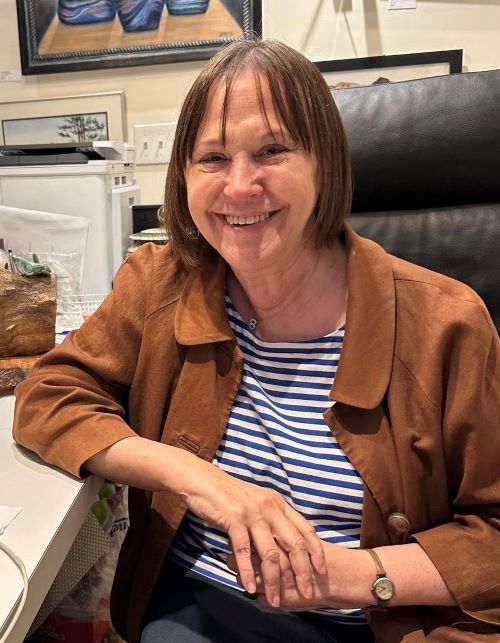
Today, pricing art. For me, this is one of the hardest parts of getting art out into the world, probably cuz I’m still new at it. I don’t know what this painting is worth, and anyway who would be crazy enough to buy it at any price? (I know. Get help, Maria.) But the pricing thing is an issue not just for me but for other artists I know.
One recent guest on this radio show says she pretty much prices paintings by the square inch – except in cases where the small ones seem worth more or the large ones not so much. So then we’re back where we started, feeling our way in a fog, trying to guess what the market will bear.
Then it occurred to me that I happen to know an expert on this subject, someone who prices art for her gallery. Barbara Nair is the artistic and executive director of the nonprofit Spectrum Gallery in Centberbrook, CT. She occasionally shows my work in her gallery and I also take part in her her twice yearly outdoor art fairs. One is coming up, by the way, on Oct. 7 and 8, in Madison.
Barbara recently sat down with me in her small office to share the secrets of pricing art. Bottom line: its complicated.
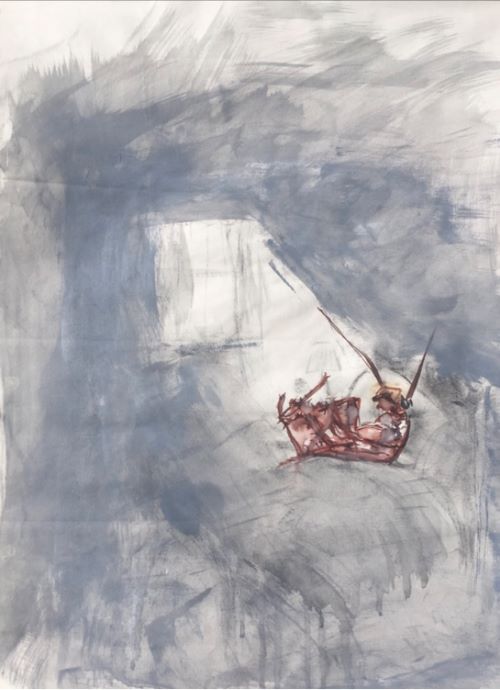
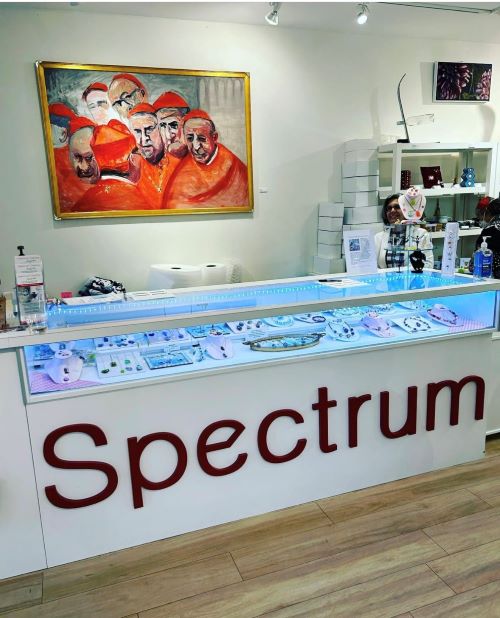
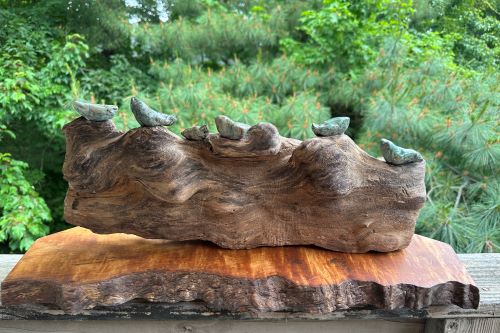
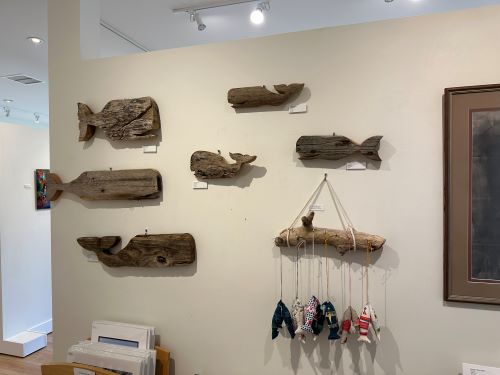
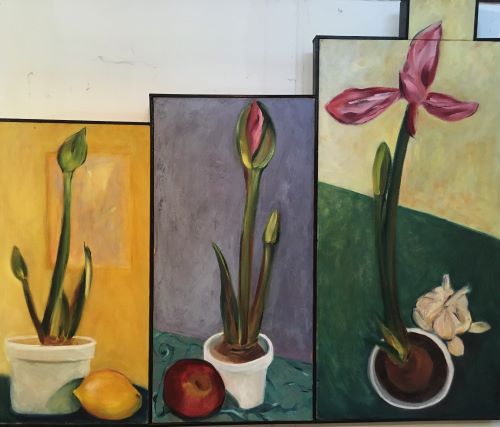
Works discussed in the episode — The whale wall hangings are by Old Lyme artist Andrew Teran. The rest are by me.
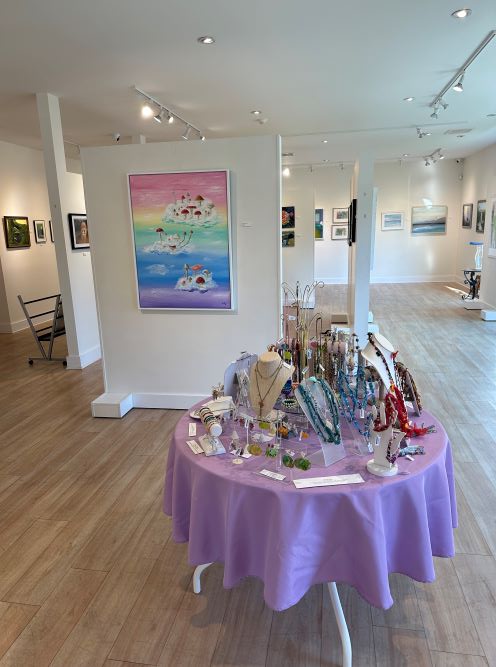
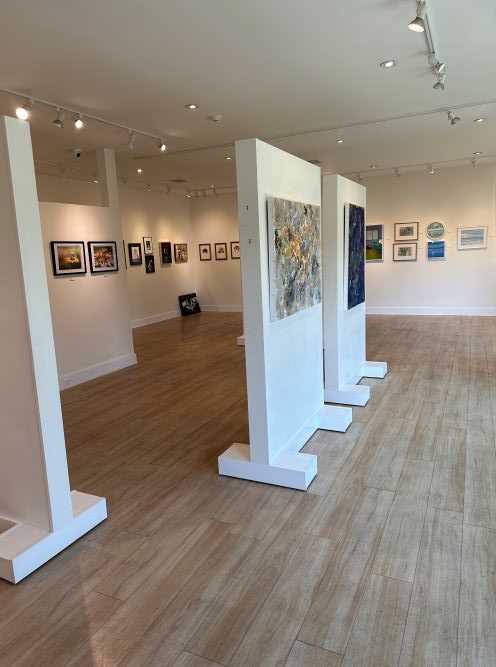
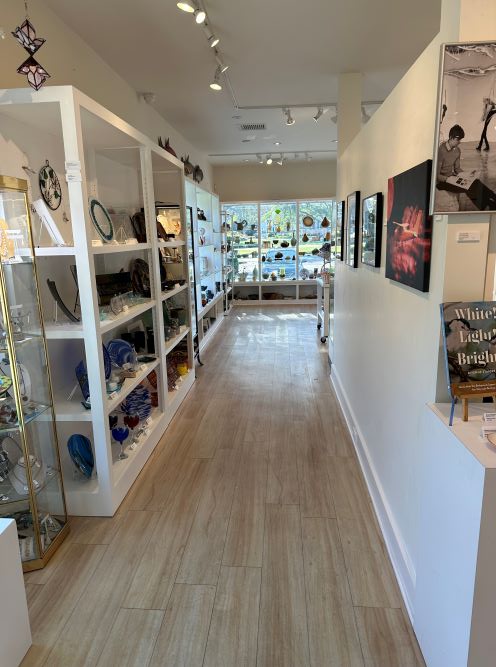
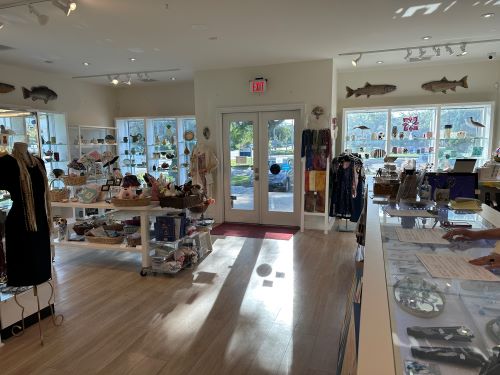
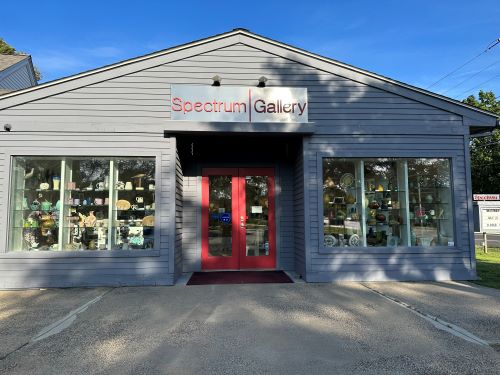
Spectrum Gallery in Centerbrook, CT has been in business 11 years. It started in a smaller space in Killingly and will expand next year into an annex that will allow space for more programming.
@spectrumartgallery
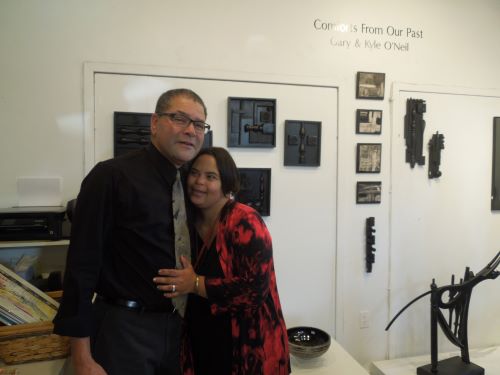
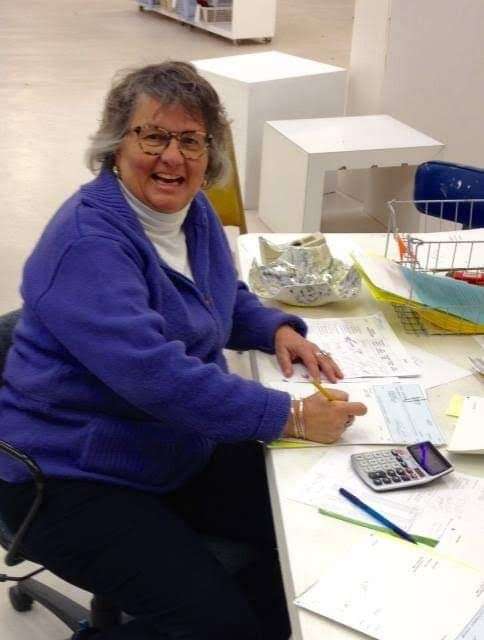
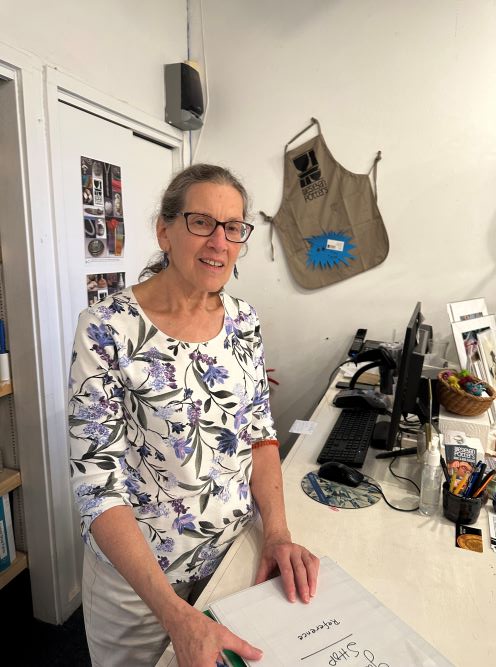
Interviewed in the episode: longtime Pottery people Gary O’Neil (shown here with his daughter Kyle) and Melissa Schilke
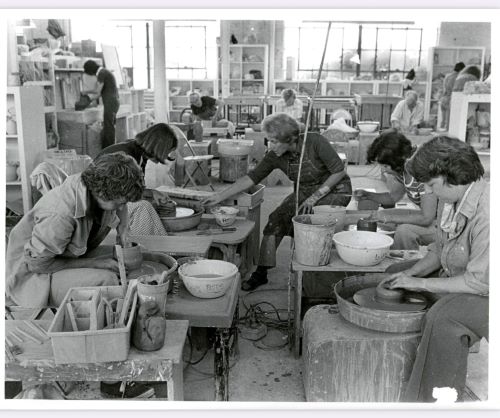
Potters at their wheels in the 1970s. The instructor is master potter Adele Firshein. Photo courtesy of Russell Library’s Middletown collection.
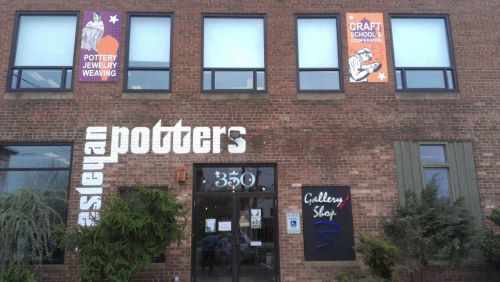
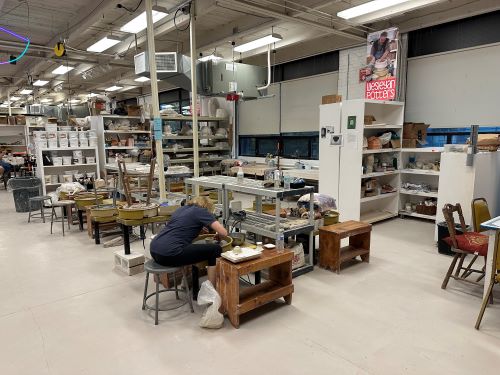
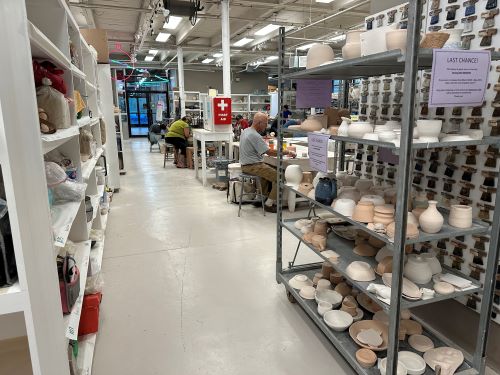
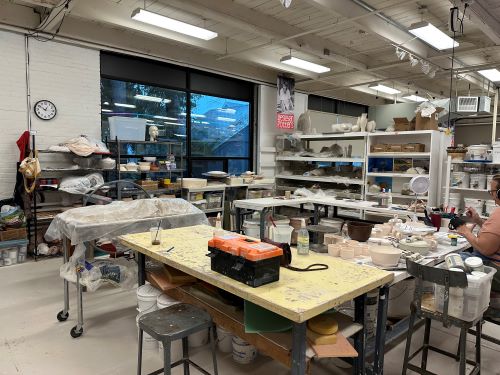
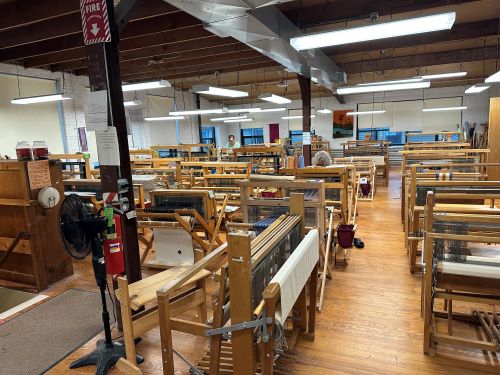
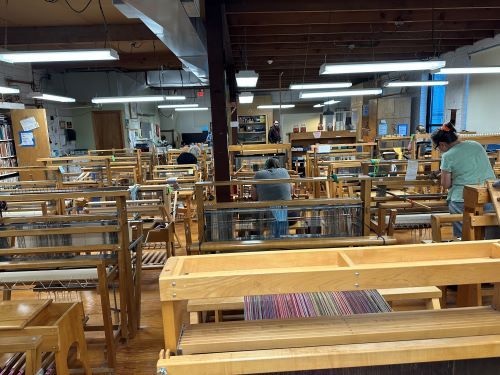
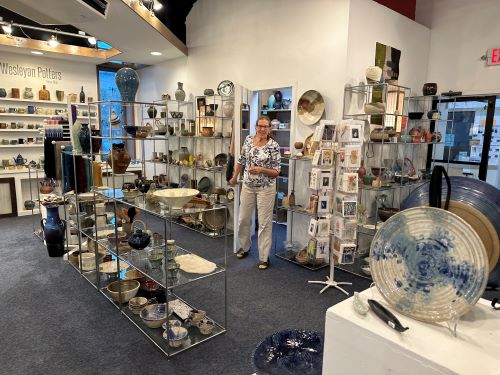
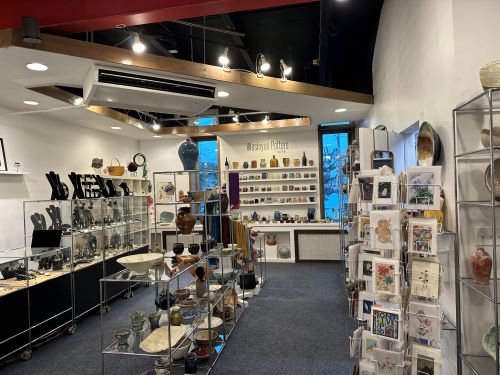
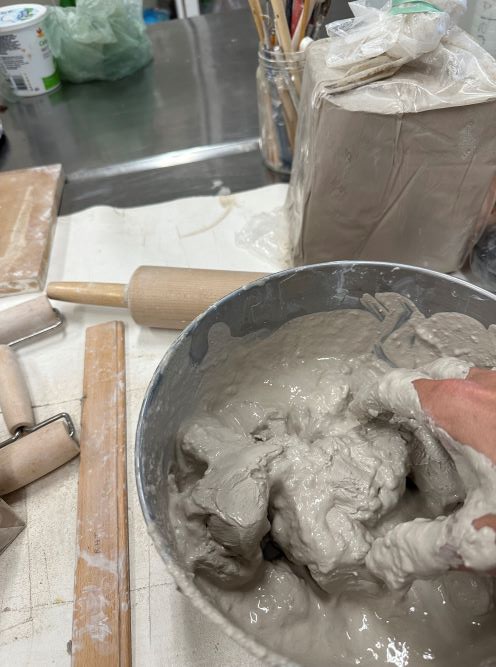
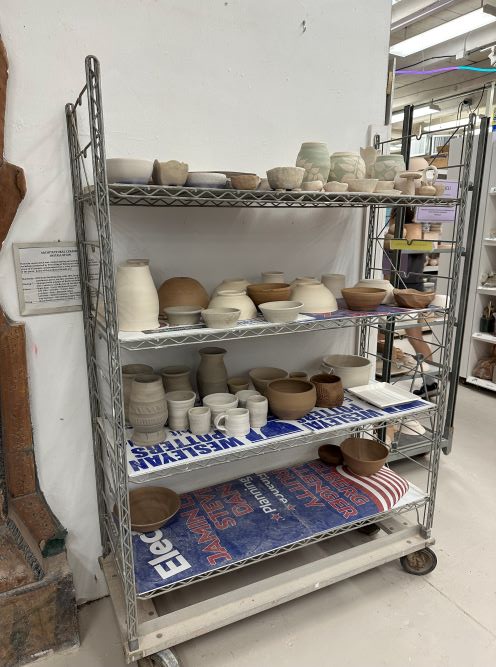
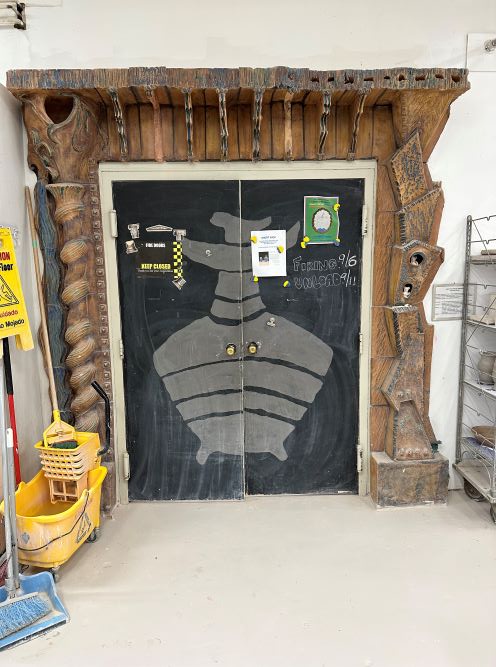
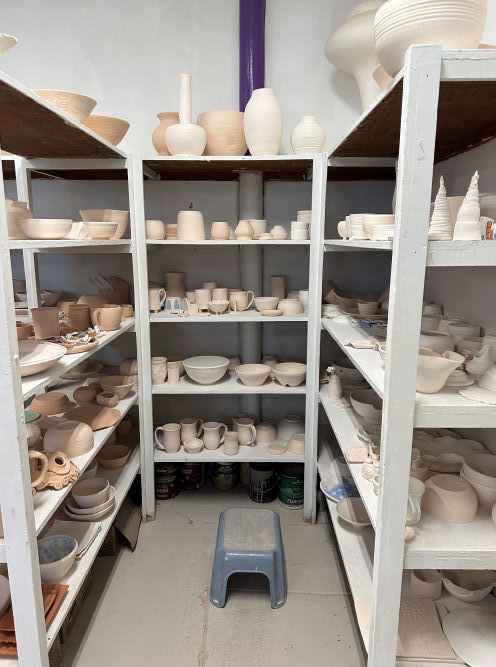
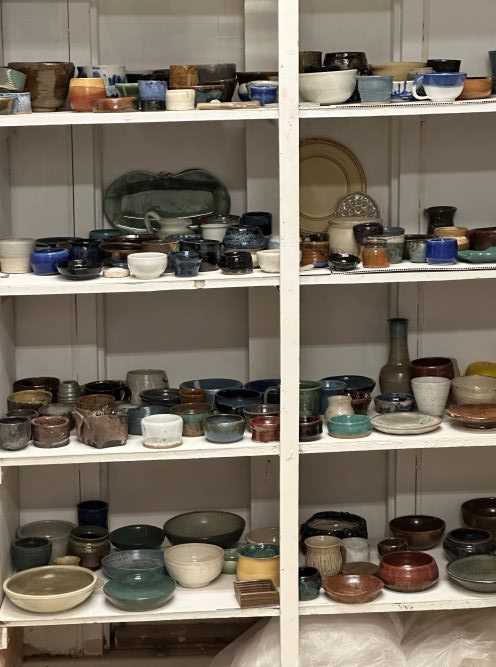
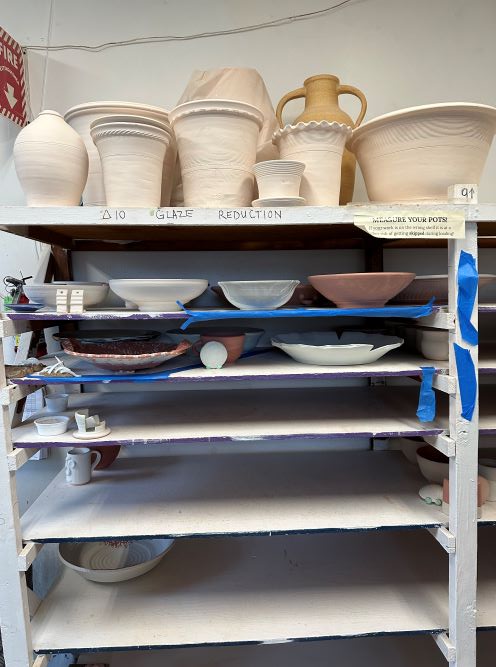
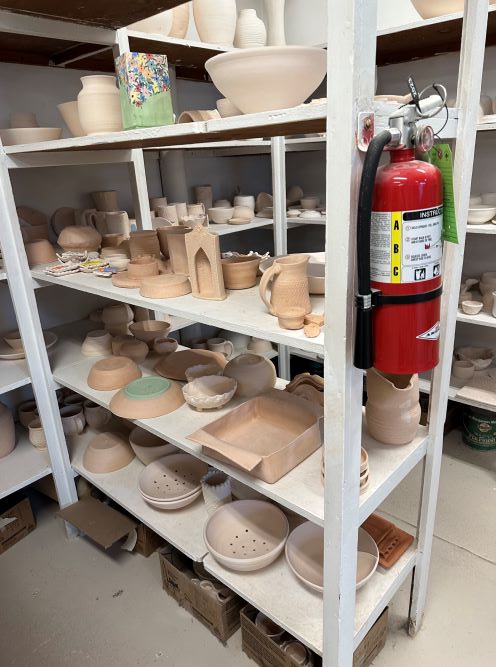
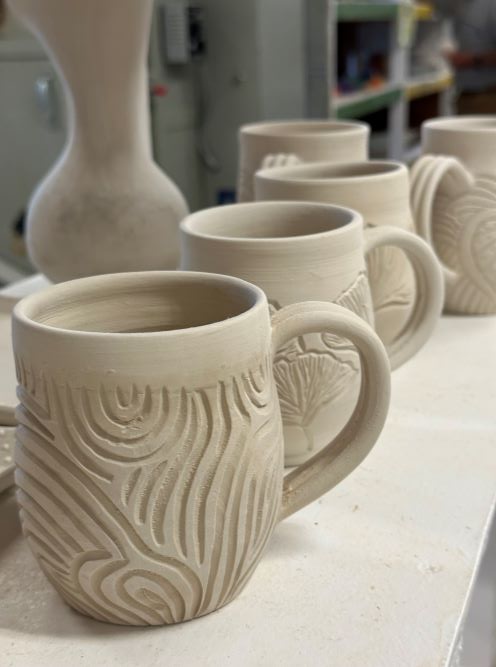
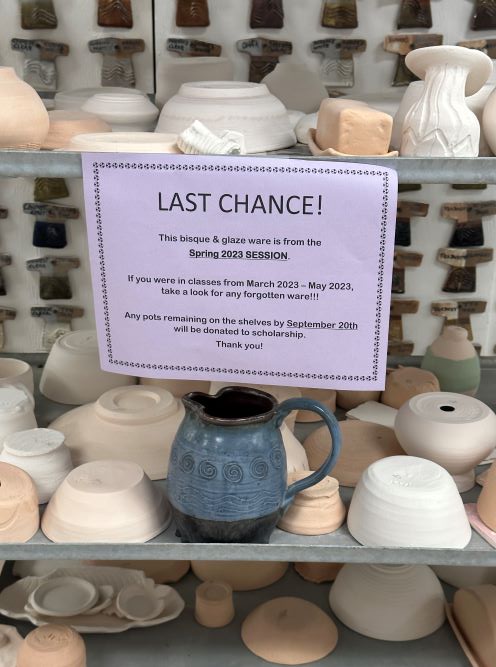
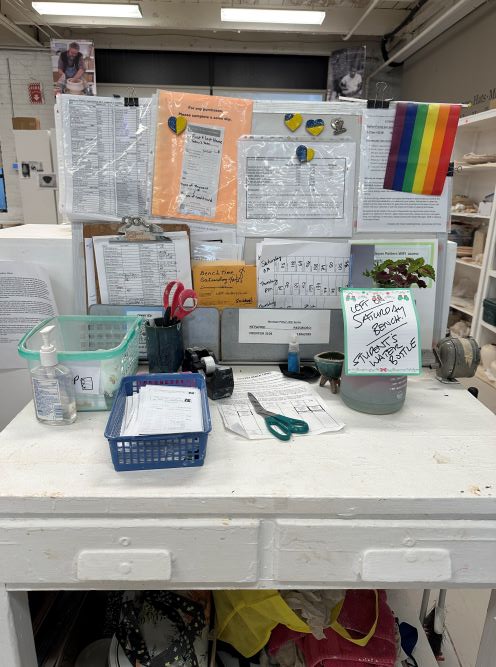
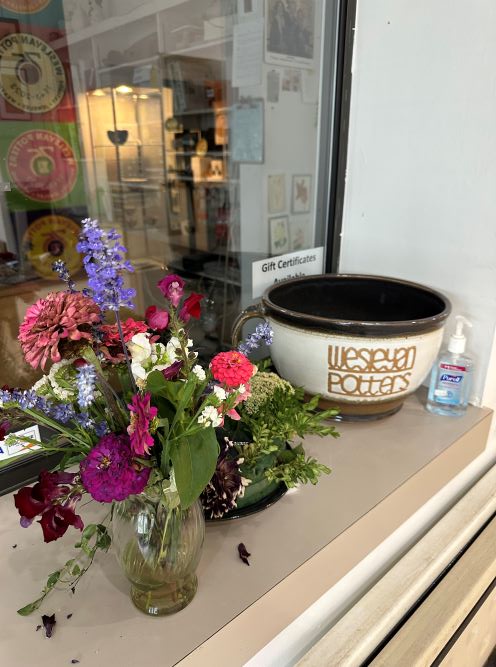
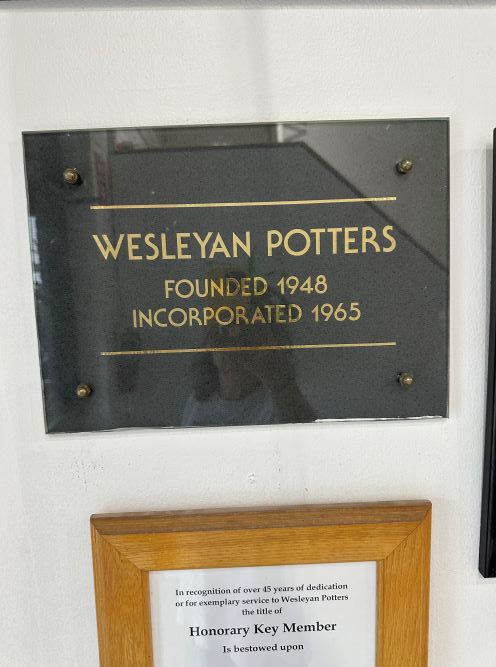
Today, clay. Seventy-five years ago, a small but mighty group of Wesleyan faculty wives thought they’d like to unearth the mysteries of ceramics. Thus was born what would later become Wesleyan Potters, a world-renowned craft school – a hive of not just ceramic activity but of jewelry making and weaving — in Middletown, Connecticut. If you’ve been to the pottery’s popular holiday show and sale, among other events, you know what a wide array of beautiful handicrafts is produced. If, like me, you’ve taken classes at the pottery, then you have firsthand knowledge of how friendly and helpful the teachers and students are. I feel so lucky that this treasure is right here in my town, but if it wasn’t, I would drive a long way to get there. It’s become my spiritual home.
This episode is a celebration of the pottery’s 75th birthday, and so it feels only right to name those listed in a history of the organization – Helene Spurrier, Ruth Peoples, Emily Pendletown, and Dagmar Mathews. In 1947, they took a course in pottery taught by Sybil Gavin at Vinal Tech Regional High School. With support from Wesleyan, membership quickly swelled to 18, and the group named a treasurer whose report would occasionally read, charmingly, “nine dollars – or so.”
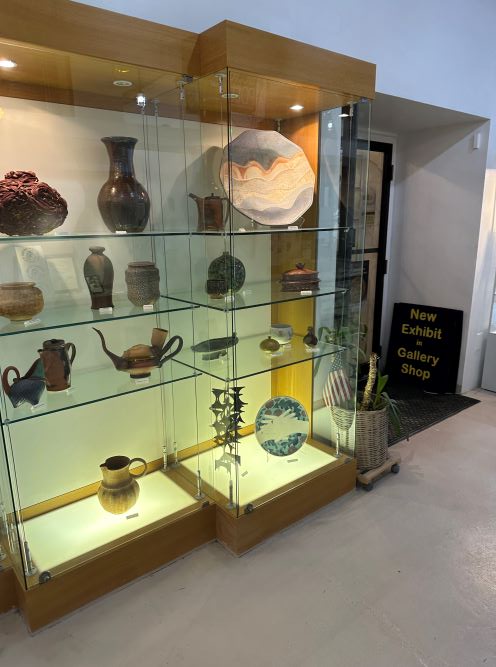
Over the years, the pottery has had different homes: at Wesleyan University; on Knowles avenue; and Pease Avenue; before finally landing on South Main Street. This interview, with two of those who’ve been involved the longest, Gary O’Neil and Melissa Schilke, was conducted in the pottery’s gallery shop, which will host an exhibition, “Wesleyan Potters Celebrating 75 Years of Craft,” featuring all the pottery’s members, teachers, and staff. The theme of the show is new work that breaks the boundaries of their usual method, style, color, shape, function, or size. The show will run from Sept 20th to Oct. 21st, with an opening – always a good time – on Sept 22 from 4 to 7 pm. See you there?
Meanwhile, enjoy these reminiscences by longtime pottery people Melissa Schilke and Gary O’Neil!

Teacher Mary Risley arrived in 1954. The first townspeople joined in 1955.





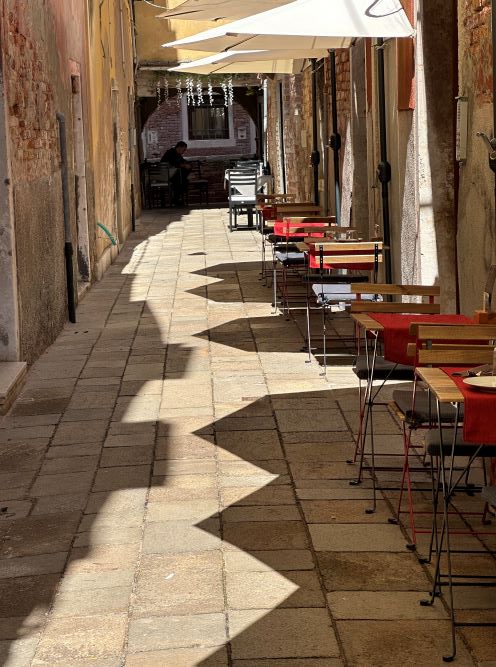
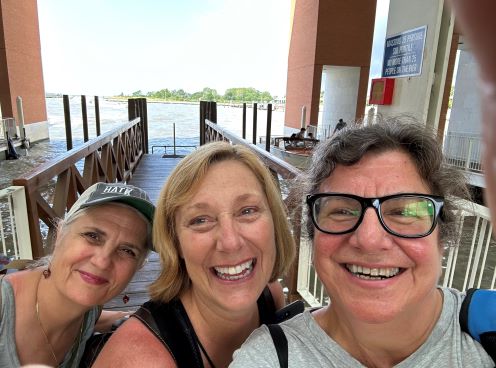
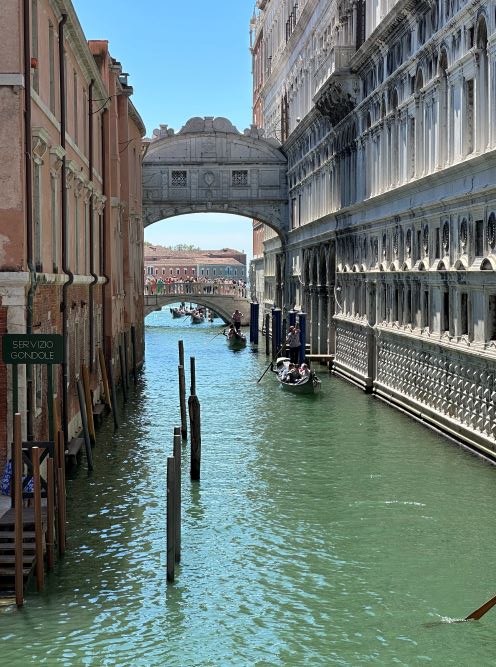
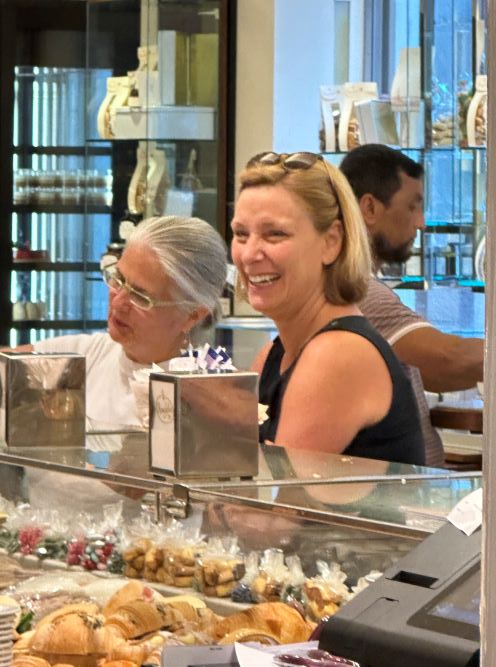
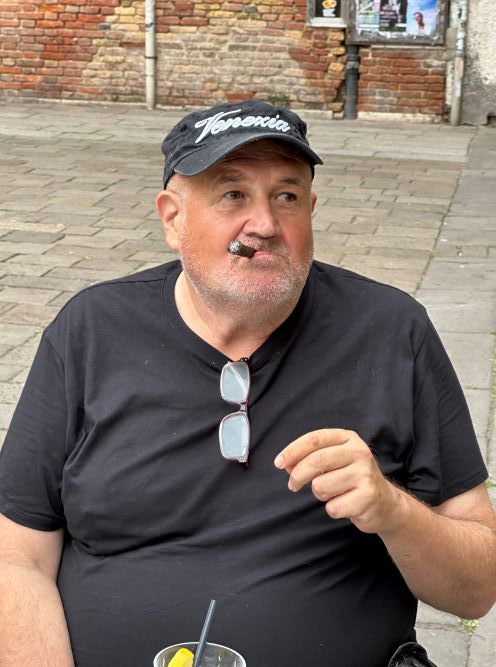
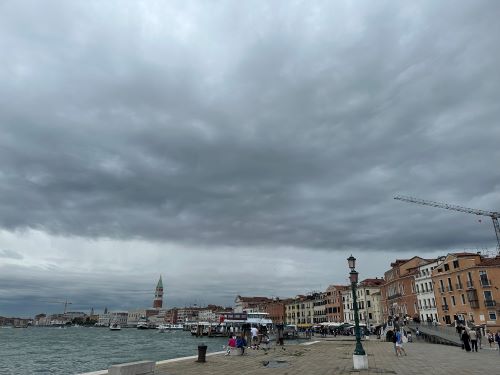
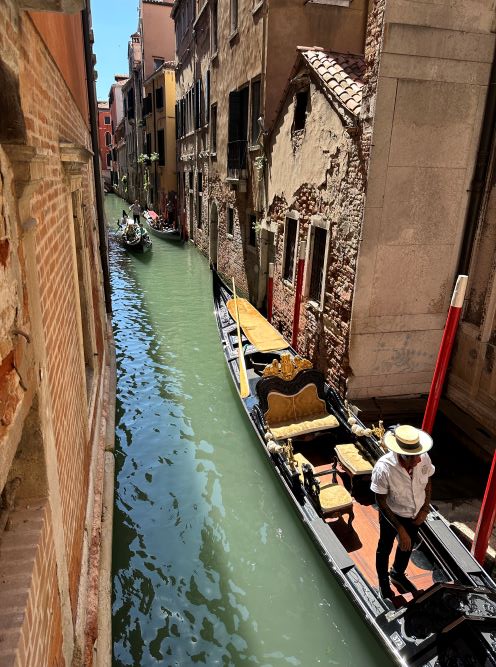
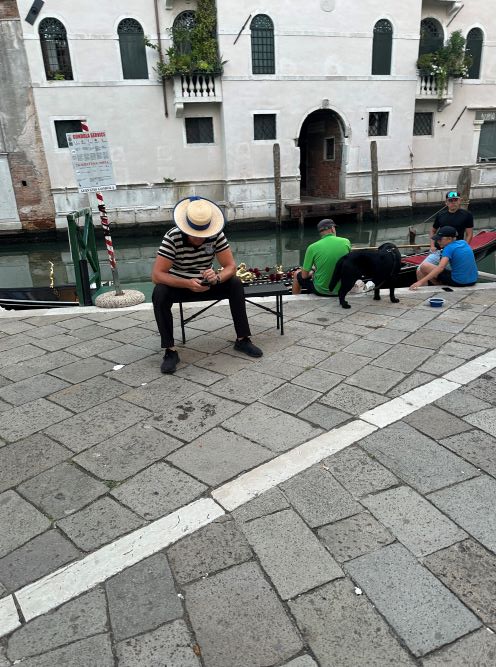
Today, Venice. I spent two weeks there recently and the experience was too yummy not to share – as I suppose I knew it would be because I brought along my portable recorder. Always thinking of you, dear listeners.
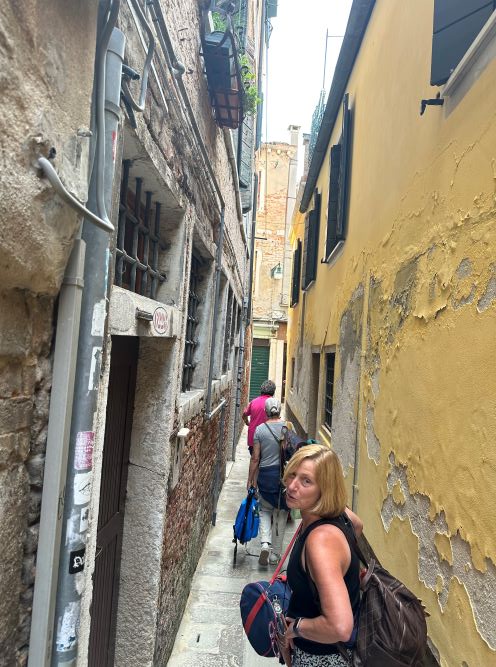
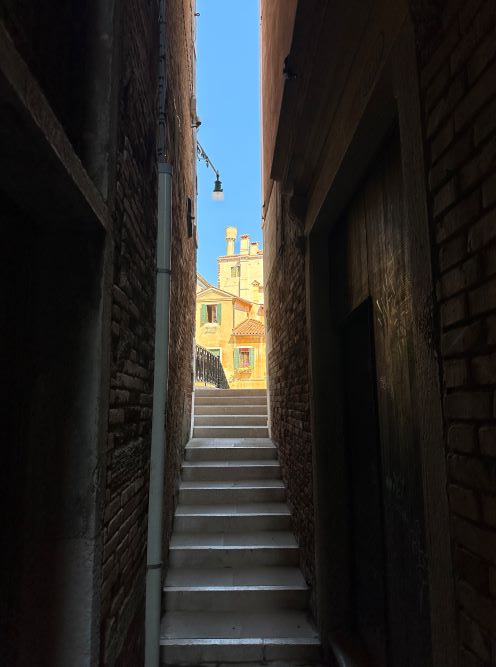
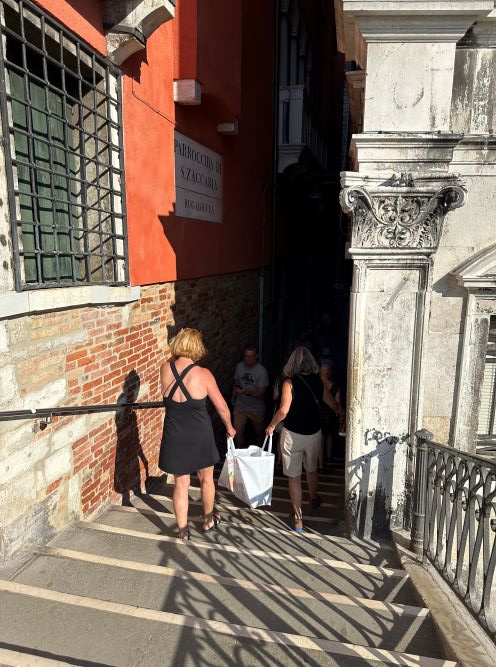
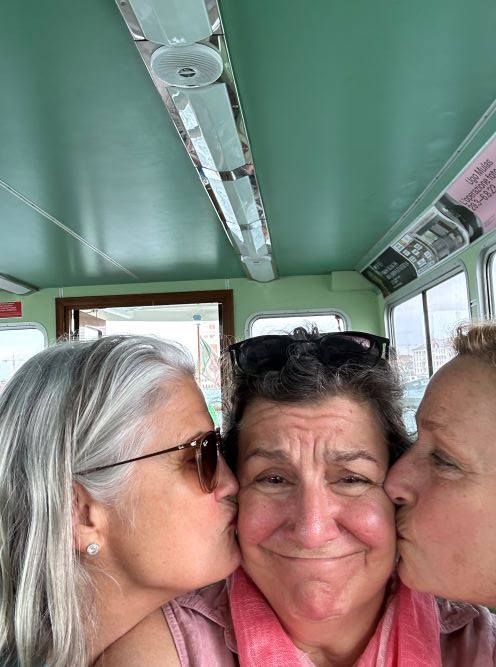
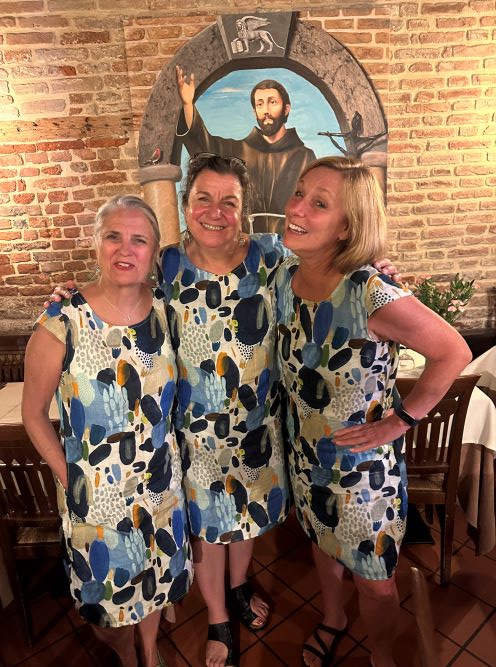
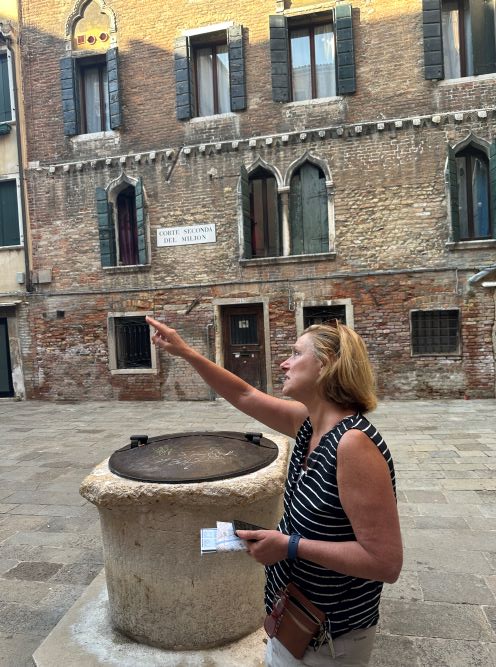
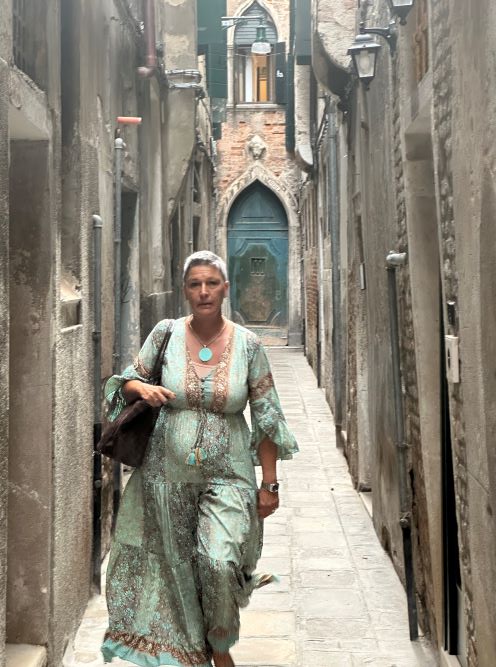
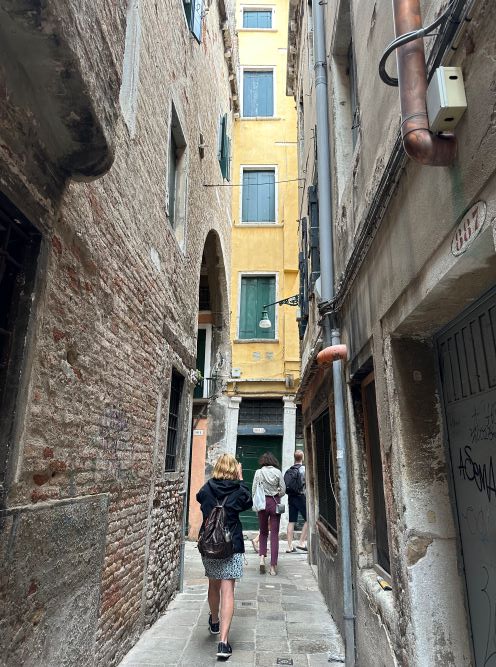
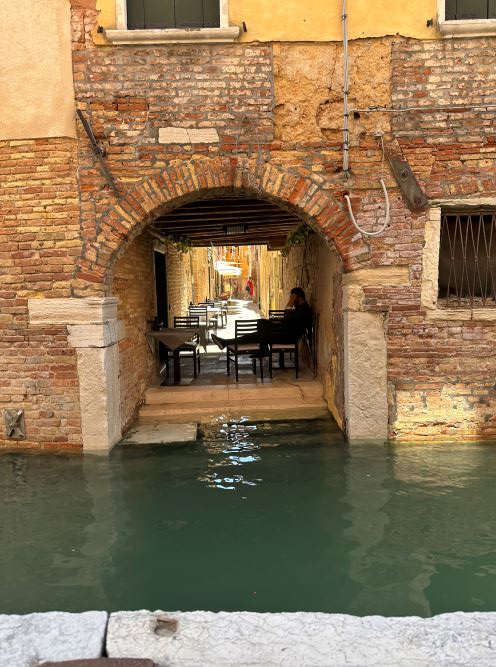
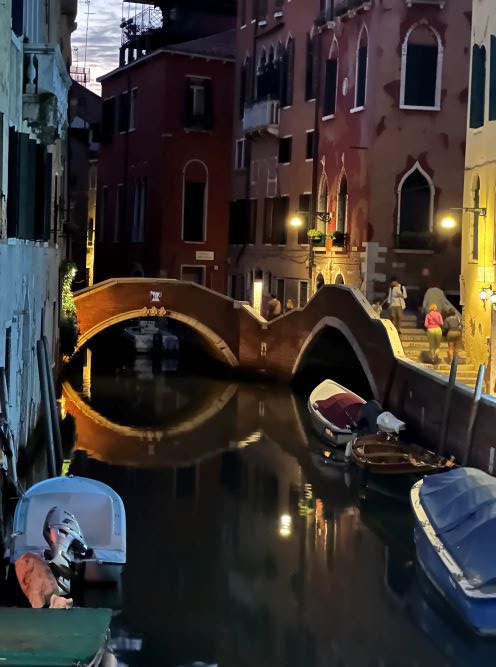
When I reflect back on the experience, after my usual astonishment that such a place actually exists, I think of getting lost. Getting lost – even the guidebooks will tell you – is what visitors do in Venice. The city is a maze of narrow passageways and dead ends. My two companions, Ellen Musante and Lenore Skomal, and I got lost daily, sometimes more than once, and that’s even while using Google Maps. All in a day’s Venetian tourism.
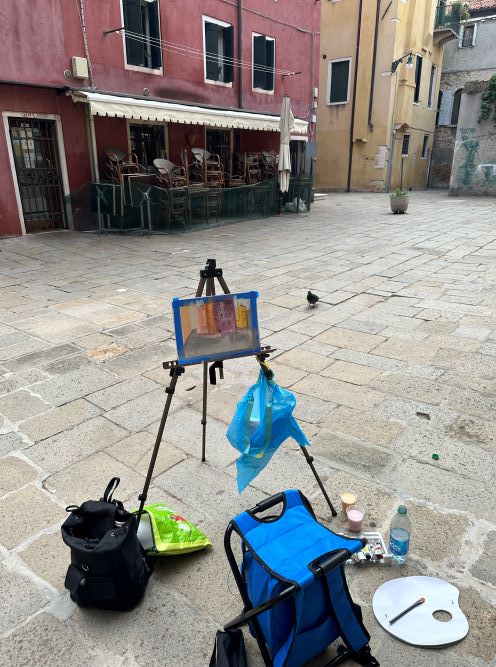
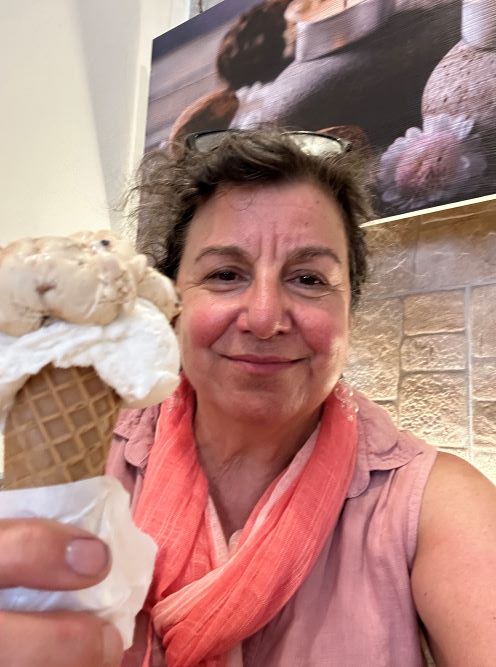
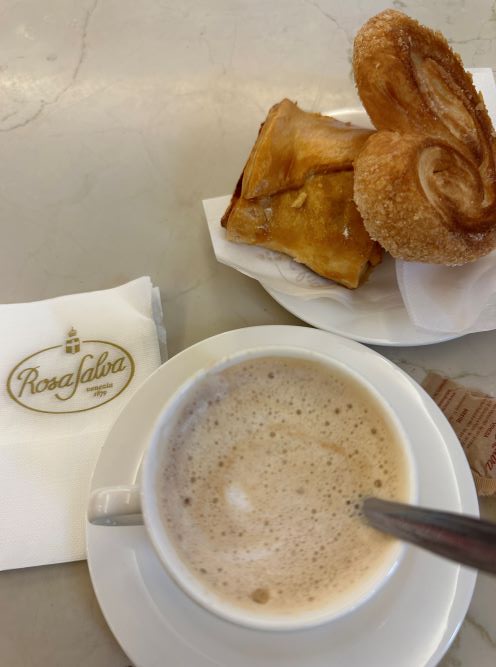
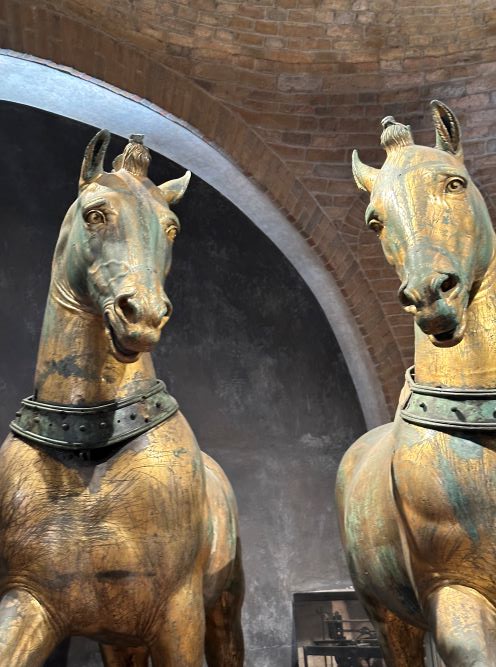
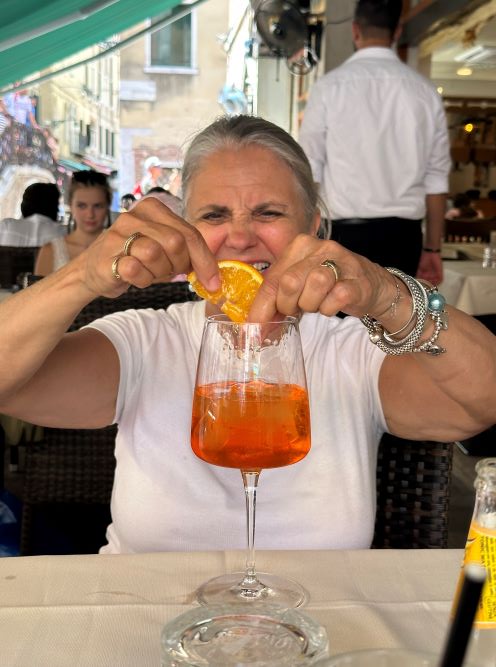
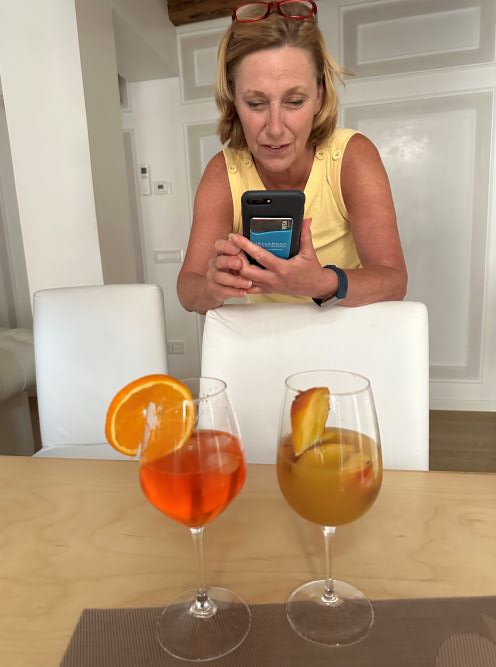
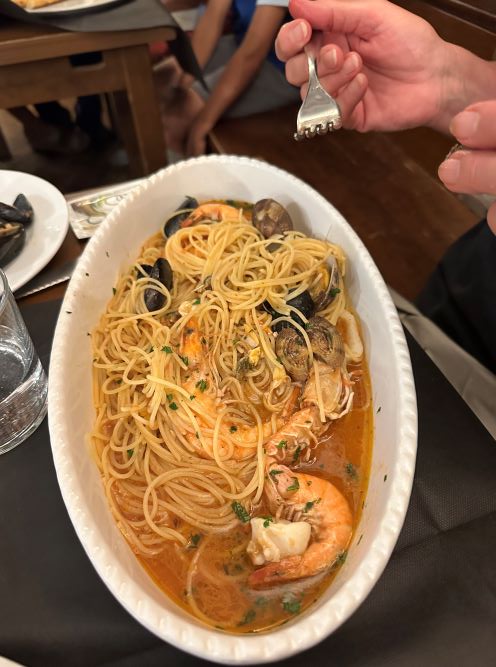
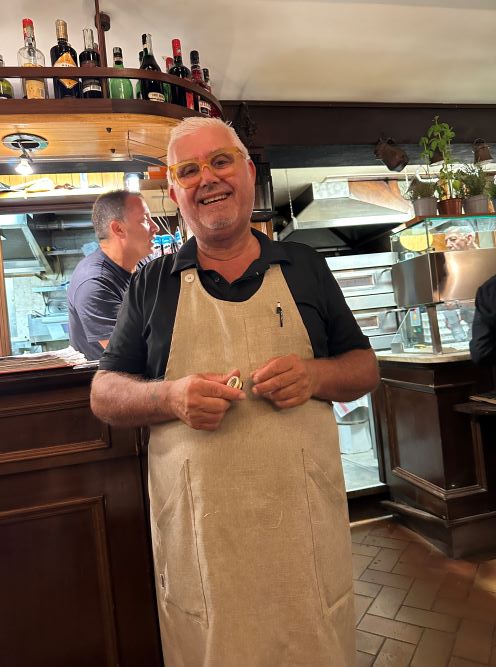
So, besides getting lost, what did we do in Venice? Well, we ate excellent meals everywhere; and at the suggestion of a local expert, we visited a master glassblower on the island of Murano, we traveled to a few of the other nearby islands, including Lido, and we toured museums of art and history, and we took several walking tours, we ate gelato, of course, and pastry, and drank aperol spritzes and bellinis, justifying the calories by all the walking we did. And I did a little painting.
But this list is just a drop in the lagoon, as it were. If you visit Venice, you really do need to allow yourself more than a few days. Don’t worry. You’ll still have the pleasure of getting lost. On my last day there, I got lost on the way to the boat to the airport.
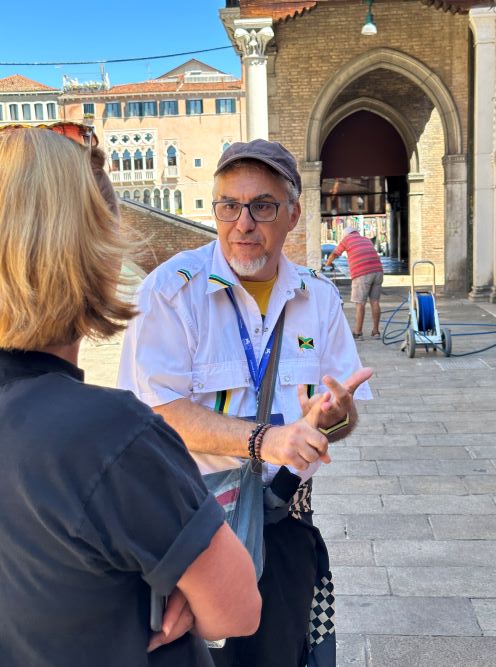
One fun thing we did was indulge in what’s known as a cicchetti tour. Cicchetti are small bites of Venetian specialties usually enjoyed in a bar; our cicchetti were paired with local wines. The tour was led by the aforementioned expert, Monica Cesarato, a well-known local blogger and author who kindly agreed to be interviewed after one of her cicchetti tours. Full disclosure, in keeping with the theme of getting lost, the last half of the interview didn’t record, for some reason. But I’ll post the link to Monica’s blog, along with photos and other interesting links, including some audio that didn’t make the episode but was too good to leave on the cutting room floor!
Okay, enough of me talking. Andiamo a Venezia!
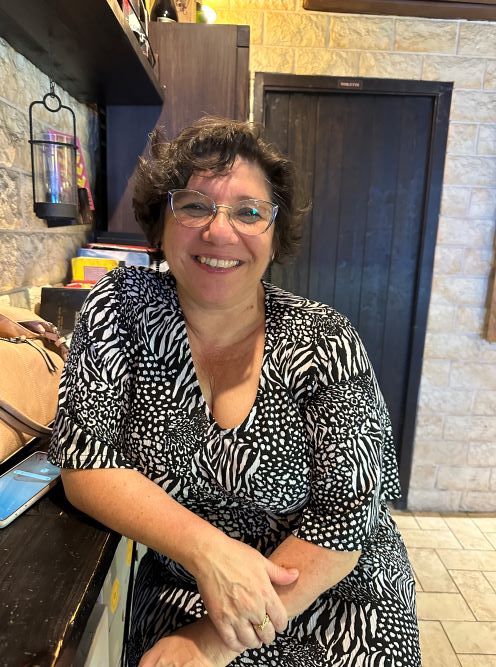
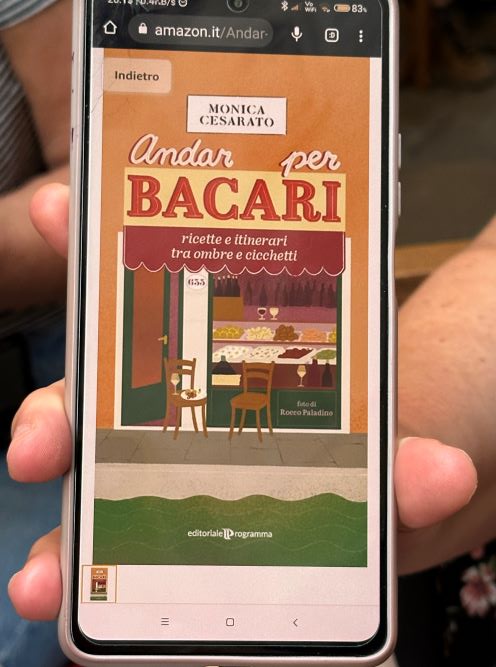
Monica Cesarato, host of the podcast Venice Speaks, and her book, now out in English.



 Open Studio