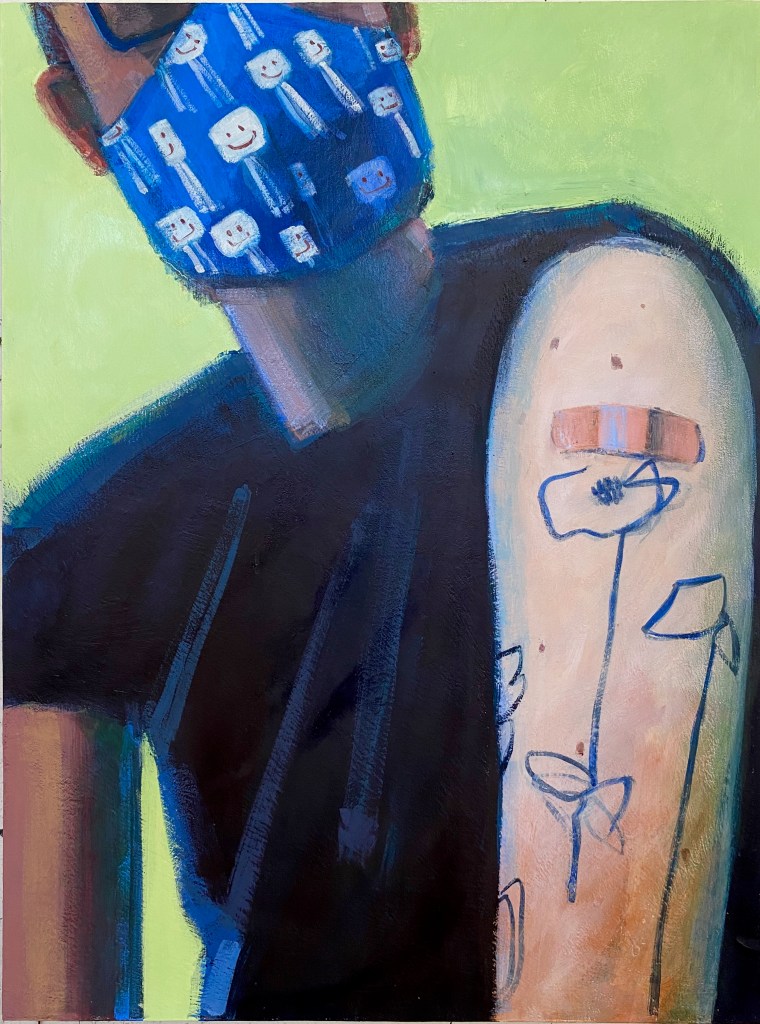
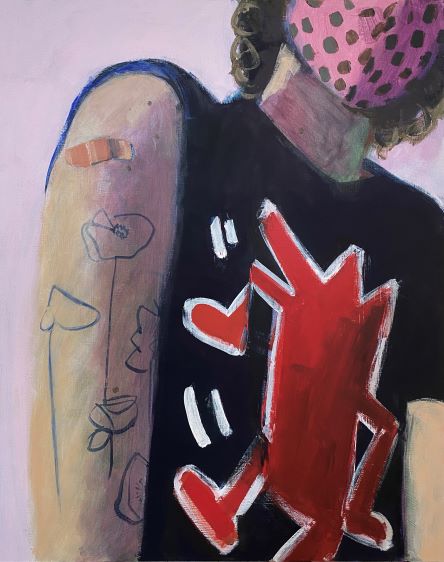
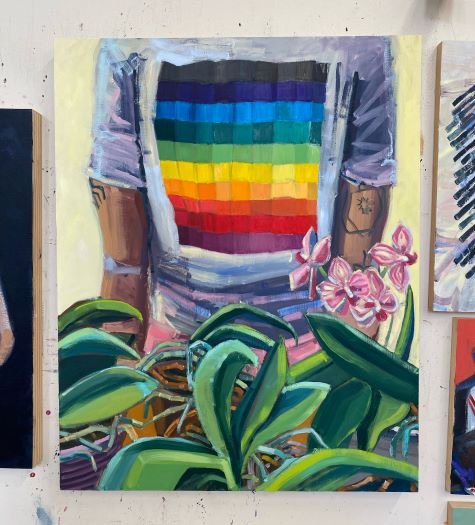
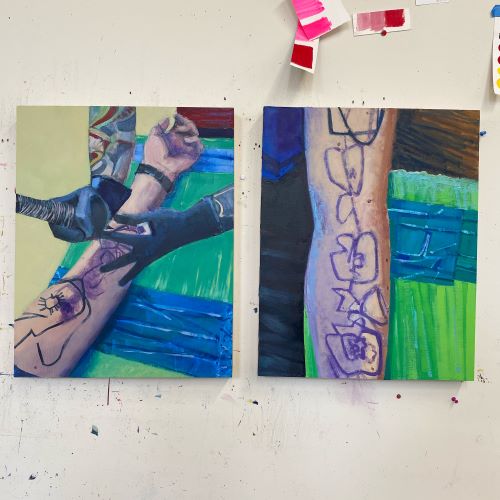
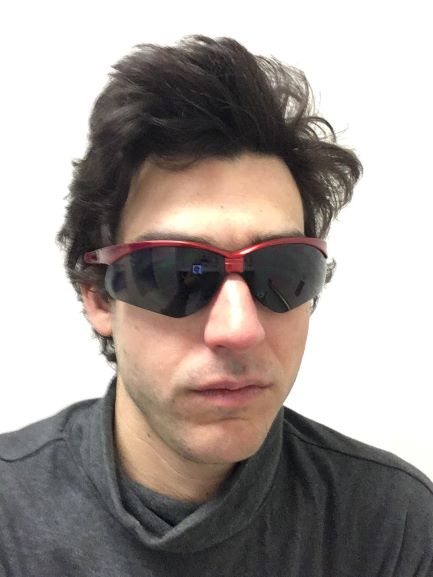
ART IN THE TIME OF COVID — For Hartford painter Matt Best, shown above in self-portraits highlighting the tattoos he says were prompted by the pandemic, the crisis has had a marked effect on his art He feels freer to follow his instincts and not paint in a reliable style. He also believes society as a whole will benefit, that “everything’s going to be restructured in a better way.”
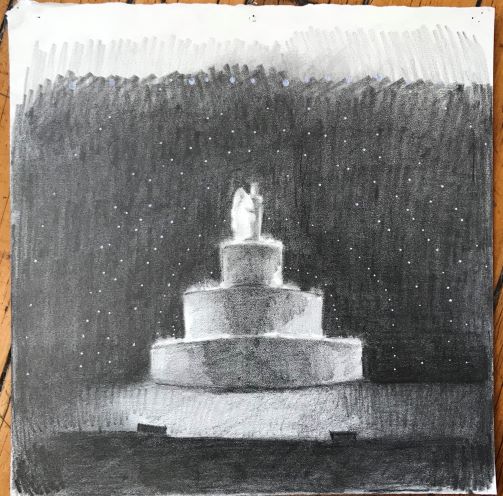
The tiers of a wedding cake suggest the kind of hierarchies that don’t work anymore. “The rules have been rewritten.”.
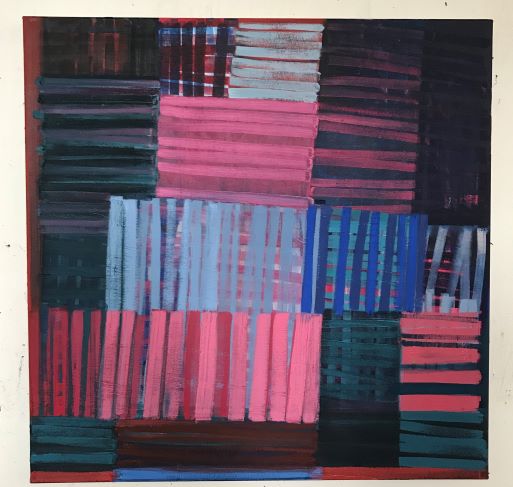
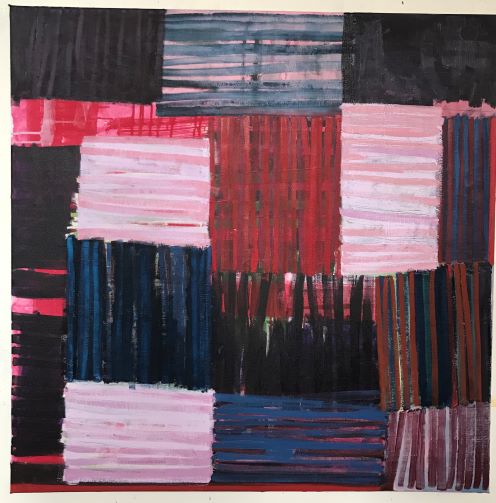

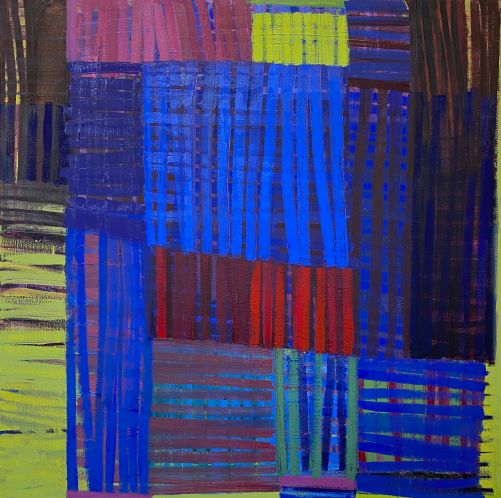
Older “structural” works, a depiction of Matt’s anxiety, above;
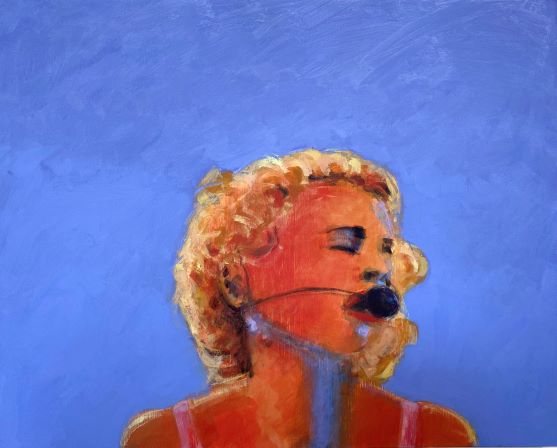
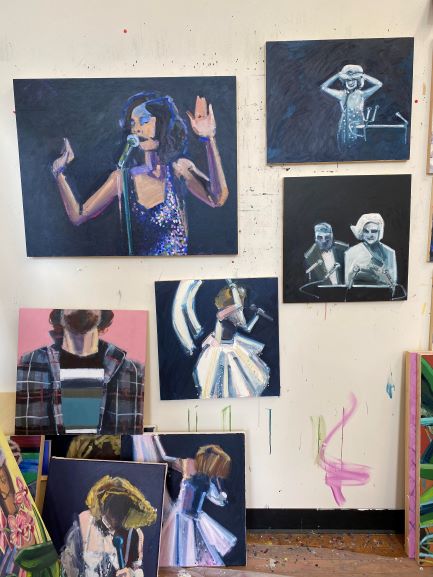
Newer, featuring Madonna and Marilyn Monroe, below. In a long-ago dream, Marilyn told Matt, “You don’t need me anymore.”

MATT TELLS ABOUT HIS TATTOOS
I waited until I was in my 40s to get my first tattoo.
My tattoos are a physical reminder that I have changed on the inside. Years of therapy and living through a pandemic was liberating. I wanted my first tattoo as literal mark on my skin to remind me that something new has happened. It was meant as a reminder that I am free. I don’t need to hold on to old ideas that don’t work, I’m free of the past. I’m free to recreate myself.
My first tattoo was of a poppy (my favorite flower). In 2019 I went to the Netherlands with my sister and I found a large mound of dirt in the countryside that was covered in hundreds of poppies. I spent time drawing those poppies, filling many pages my sketchbook. I made one drawing in particular that when I looked at it later I thought, “this would be a great tattoo.” But I didn’t do it.
2020, the pandemic. Getting a tattoo fell by the wayside because it wasn’t possible. The idea was still there but like so many other things that year, it went dormant.
Summer 2020, things are opening up a bit. A former student finds me on Instagram and he has become a tattoo artist. This gets me thinking about the tattoo idea again. I still don’t do anything until I mention my tattoo idea to a friend and by coincidence that day my former student posts a photo of a tattoo he did of a flower. I decided screw it and contacted him immediately. I had my first tattoo on my left arm a few weeks later. He executed my drawing beautifully.
As many people warned me, tattoos are addictive. A month later I got two more poppies on the same arm.
In 2021 I added more poppies to my forearm. My idea is to recreate that small mountain of poppies on my arm. My poppy arm reminds me of times before the pandemic when I was lucky enough to travel and see beautiful poppies blowing in the wind. My arm looks like my sketchbook now.
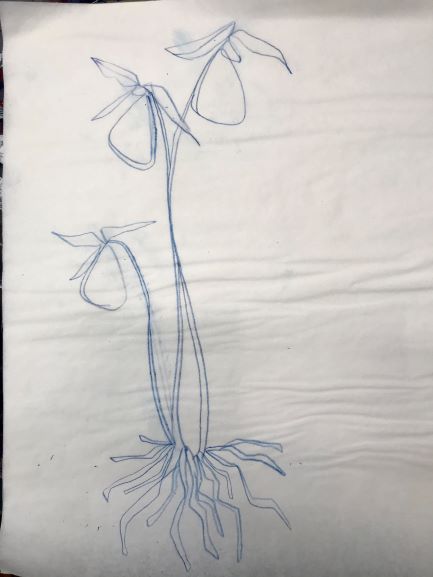
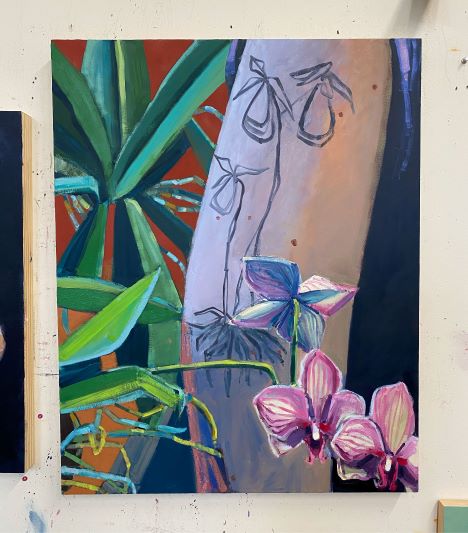
A friend told me my right arm is boring so I added a larger tattoo of three lady slippers to my right arm this year. Every spring my partner Paul and I go on a lady slipper “hunt.” This tattoo is a representation of the two of us (the third flower being our cat). For me this tattoo represents spring, it’s a celebration of my second vaccine dose (I got the tattoo on the two weeks past my second vaccination date), and a reminder that things grow and change.
IT’S YOU WHO PUT THE COMMUNITY IN COMMUNITY RADIO! PLEASE GO TO WESUFM.ORG/PLEDGE AND GIVE WHAT YOU CAN!
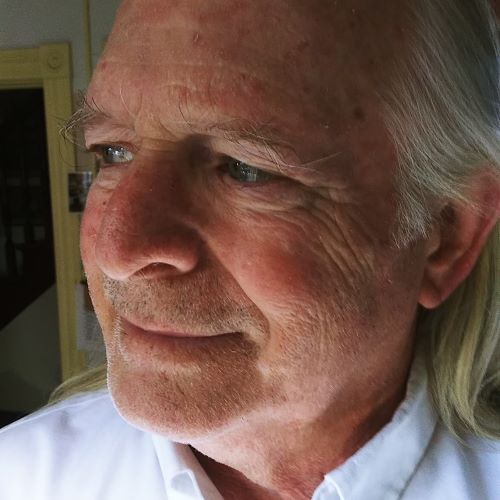

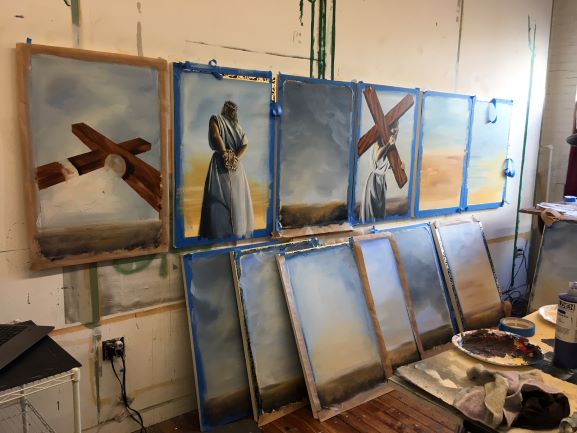
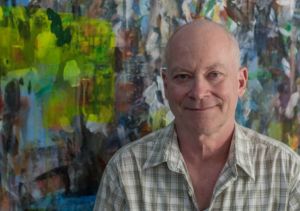 Painter Peter Waite says he works at the intersection of private and public memory. A classroom, for example, may remind the viewer of their own school days. His subject matter is largely drawn from his domestic and international travels, and, except in occasional paintings of statuary, devoid of figures, instead depicting “a scene just before you enter and one last take before you leave.”
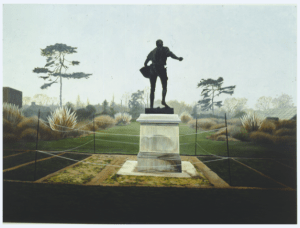 “Sower/KewGarden/London,” 1991, acrylic on panels, 6×8′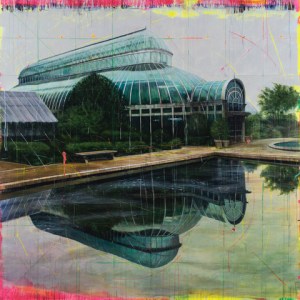
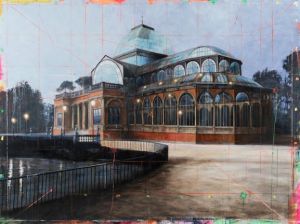
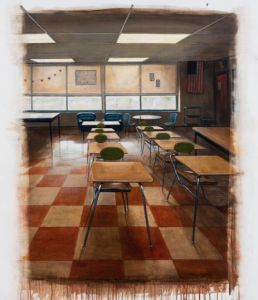 From left: “Greenhouses,” 2016, acrylic on panels, 8×8′; “Crystal Palace, Retiro/Madrid,” 2017, acrylic on panels, 6×8′; “Middle School,” 2020, acrylic on panel, 44×38″

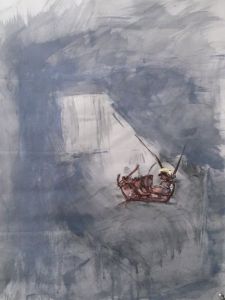 A twig, charcoal on brown paper, 36.5×48″; Gregor Samsa from Kafka’s Metamorphosis, charcoal on gray paper, 19×25″. (I added the yellow hair as a political commentary this year.)
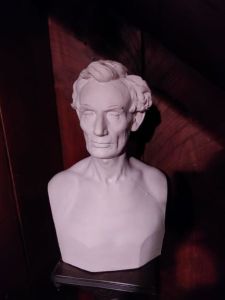
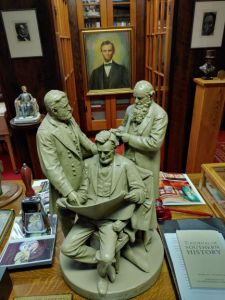
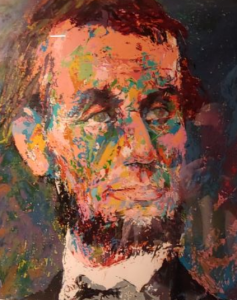
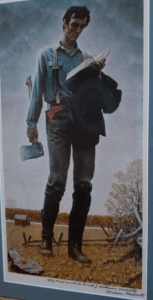 Clockwise from top left: “Hermes Bust” by Leonard Volk; “The Council of War” by John Rogers; “Lincoln the Railsplitter,” inscribed with “best wishes” to the Chief, by the artist,Norman Rockwell; “Lincoln” by Leroy Neiman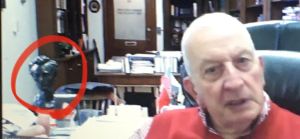
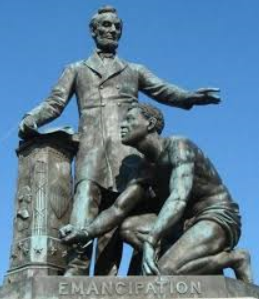 This statue, by Thomas Ball, depicts a former slave kneeling before Lincoln, who holds the Emancipation Proclamation. It is controversial for seeming to show African Americans in a subordinate stance. Chief Williams says that’s a misreading of the artist’s intent.
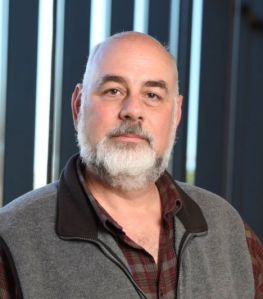 Ted Sawruk and a Connecticut Verizon store he designed in 2019
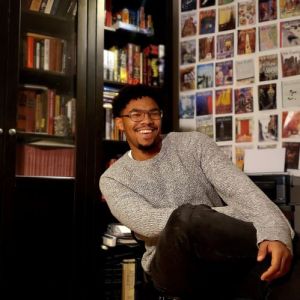 Jason McDonald and his masterplan for a residential eco-tower in Florence, Italy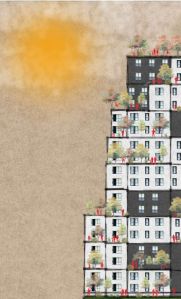
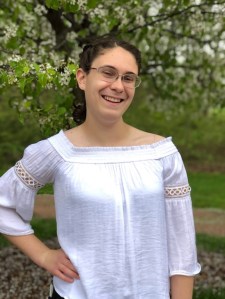 Aurora Perrault and her five-story mixed-use building with retail and office spaces on the ground and second floor and residential spaces on the floors above. The goal of the building was to create a sense of community and a connection to nature for building residents and neighbors.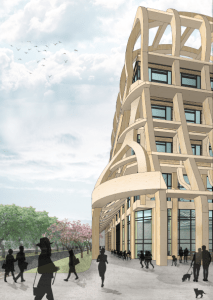
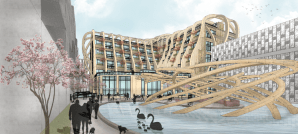
 Renee Parry’s New Haven mixed use residential/commercial complex plan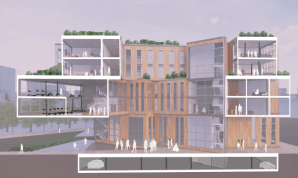
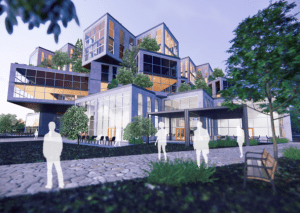
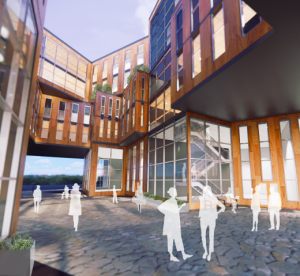
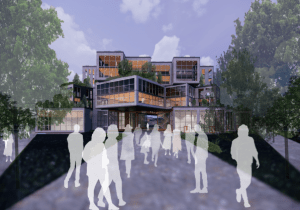
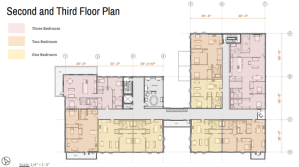
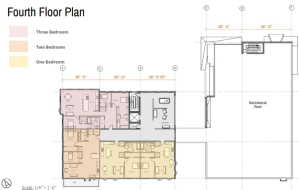
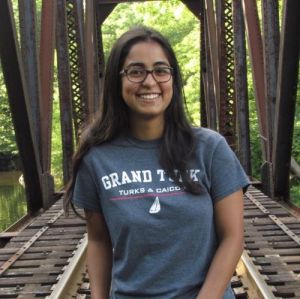 Grad student Magic Santos and her Phillips Metropolitan CME Church in North Hartford, CT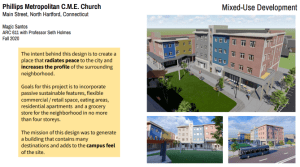

 Open Studio